
How Teams Shape the Workplace
Every workplace relies on how people come together. When individuals form a group to meet deadlines, solve problems, or complete projects, their behavior and interaction create what many refer to as group dynamics. These patterns impact everything from daily operations to overall output. Some companies are mindful of this. At Nakase Law Firm Inc., group dynamics in the workplace play a key part in how legal teams function. Instead of isolated contributions, team members collaborate thoughtfully, which improves both the pace and quality of their work.
Why Group Behavior Matters
When people work in groups, it’s not just their tasks that shape outcomes—it’s also how they speak to one another, how they react under pressure, and how they build trust. A good mix of support, communication, and structure helps each person contribute without stepping on anyone’s role.
Stages Every Group Moves Through
Groups tend to follow a path. Early on, there’s usually a feeling-out phase where people get to know each other. As roles become clearer, disagreements may arise. Eventually, routines form, people begin to trust one another, and work gets done more smoothly. When the project wraps up, the group often disbands.
Leaders who understand this pattern are better prepared to support their teams during tense or unclear phases. Guiding a group through changes, clarifying goals, and allowing room for individual input helps move everyone forward with less resistance.
Finding and Fitting into a Role
Each group needs different types of contributions. Some people plan. Others execute. Some people motivate. Others troubleshoot. Whether official or informal, every role matters. If two people try to lead at once or if no one takes initiative, the group loses direction.
Knowing your own strengths and recognizing those of your coworkers makes a real difference. When everyone understands their role and supports others in theirs, the group becomes more balanced and functional.
Talking Clearly, Listening Well
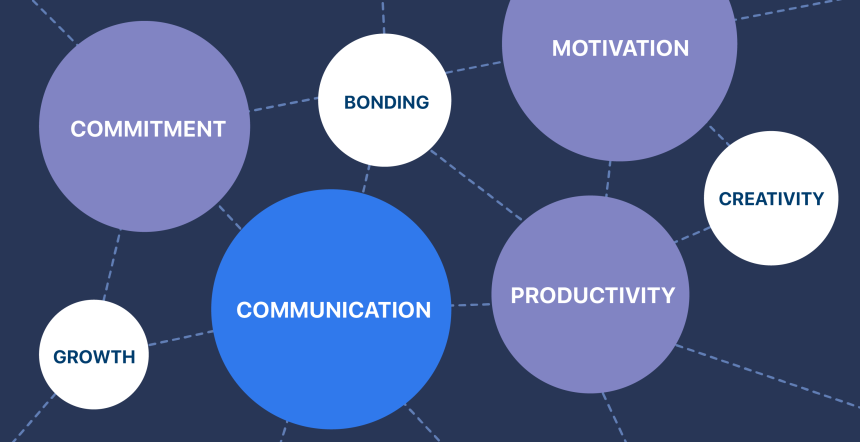
Without solid communication, most teams fall apart. Messages get lost. Instructions go misunderstood. Frustrations build. That’s why it helps when everyone is taught how to speak clearly, ask for clarification, and offer responses that move the conversation forward.
Teams that listen as much as they talk avoid repeat mistakes. They also tend to solve problems faster. Whether the group is meeting in person or online, respectful and clear communication makes work less stressful and more focused.
How Leadership Sets the Tone
Leaders shape how a group operates. Some guide by example, some give quiet support, and others are more hands-on. Regardless of their method, the best ones tend to show consistency, clarity, and fairness. They recognize potential, handle tension with care, and give people room to grow.
People in charge don’t need all the answers. But they do need to know how to keep a group working well together. By asking for input, reinforcing goals, and staying approachable, a leader keeps the group from drifting off course.
Culture Affects Everything
The overall atmosphere in a workplace influences how teams interact. In places where people feel acknowledged, it’s easier to speak up, offer suggestions, or bring up concerns. In places where people feel ignored or over-managed, it’s much harder to contribute with energy or confidence.
Good culture doesn’t happen by accident. It’s built through clear policies, fairness, and attention to how people are treated. When those elements are present, group work becomes smoother and more productive.
When Groups Struggle
Problems are bound to happen. One person might take over discussions. Another might stay silent. Some people might miss deadlines while others feel overloaded. These are signs that the group isn’t working together as it should.
That doesn’t mean failure. It means the team needs support. Usually, issues stem from vague expectations, mismatched goals, or unspoken stress. With patience and structure, most groups can get back on track. When leaders and members stay open and focused, things usually improve.
Simple Ways to Strengthen a Team
There are small steps that make a big difference in group performance. A few of them include:
- Holding regular check-ins to spot issues early
- Rotating responsibilities to keep people engaged
- Clarifying what’s expected and when it’s due
- Letting everyone take part in decision-making
- Encouraging private and group feedback
None of these require major change. But they help groups stay connected, accountable, and more aware of one another’s needs.
When Things Go Right
Well-functioning groups usually show it. They finish work with fewer delays. People volunteer ideas more often. Projects move along without needing constant follow-up. Instead of spending time fixing avoidable mistakes, the group stays focused on doing quality work.
Trust tends to grow in these settings. People speak more freely, pitch better ideas, and bring energy into their workday. It becomes easier to handle challenges, and no one feels like they’re carrying the entire group.
Why Differences Matter
When people from different backgrounds work together, they bring new ways of thinking. This leads to better problem-solving and less repetition. That said, it can also create friction if communication styles or values clash.
A group can make this work when they recognize the value of difference. That means listening, asking questions without judgment, and setting group expectations that include fairness and shared responsibility. When this happens, the result is stronger thinking and better results.
What Changes with Remote Teams
Remote work requires new habits. Without hallway chats or face-to-face meetings, teams risk losing the connection that keeps things running smoothly. But this gap can be filled.
Video calls, shared calendars, and group chats help keep everyone on the same page. Even quick messages to check in can improve focus and remind people that they’re part of a group, not working in isolation. The key is being intentional about staying in touch.
Final Thoughts
Group dynamics in the workplace shape more than just projects—they shape how people feel about showing up to work each day. They influence whether people give their best, whether problems are handled quickly, and whether a team leaves the day feeling accomplished.
Teams that understand one another, speak with care, and support different working styles are better positioned to meet goals without creating burnout or tension. When group dynamics are handled with attention and care, the result is a team that not only works together—but works well.