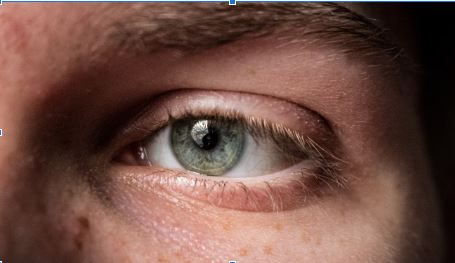
If you do have cataracts, then there may be something else that you will feel other than your eyesight being affected. Individuals do wonder if the impaired eyesight due to clouding comes with dizziness or a loss of balance. It is a good question and one that must be addressed.
Cataracts are a problem that affects millions of Australian residents, especially those who are 60 and older. While the chief symptom is blurry vision, becoming aware of the full range of the ways that cataracts can disrupt your daily life—that is, balance and spatial orientation—can enable you to make fully educated decisions regarding your eye health.
What Causes Dizziness
Dizziness is a complex symptom that can range from lightheadedness to spinning, or vertigo. The causes are many, and are most often multifactorial.
Your inner ear keeps you balanced with the assistance of small structures that sense head position and movement. When these processes fail, dizziness usually ensues. Blood pressure changes, dehydration, medication, and neurologic disease are some other frequent causes.
Vision also helps with balance. Your eyes send your brain useful space information so that your brain can tell where you are in space relative to the world that’s around you. Without the visual information, your balance can be affected.
The Connection Between Cataracts and Dizziness
Cataracts themselves do not cause dizziness in the medical context. Clouding of your eye’s natural lens will have no effect on the inner ear mechanism that is employed for balance, and it will not have a tendency to affect circulation or neurological function.
Cataracts, however, can indirectly cause unsteadiness. Throughout development, cataracts interfere with clear vision and cause sensitivity to light, doubling vision, or difficulty judging distances. Any one of these vision changes has the potential to make you less confident as you go about daily activities, particularly in challenging light or new environments.
Many call it “dizziness,” but what it is really is visual unsteadiness or disorientation. The brain relies on accurate visual inputs in order to remain stable, and if cataracts blur these inputs, you are uncertain or unsteady about how to move around.
In addition, cataract contrast sensitivity difficulties make differences between surfaces, steps, or obstacles more difficult to perceive. Visual uncertainty thus induced could lead to dizziness, especially during walking on an uneven surface or mounting or descending stairs.
When to Seek Professional Help
When you also experience dizziness in addition to cataracts, you need to treat the two conditions distinctly. Make an appointment with a top optometry clinic so that you can talk to them about your cataract development and what you need to do.
For dizziness that does not appear vision-related—like a sense of spinning, repeated dizziness, or balance problems even when you sit down—see your GP. These are symptoms associated with issues of the inner ear, blood pressure, or other conditions that are treated differently.
Do not anticipate that dizziness will resolve after cataract surgery. While confidence and stability are enhanced in most patients through vision correction, actual dizziness of a non-visual cause deserves independent medical treatment.
Take Charge of Your Symptoms
Even though cataracts themselves do not induce dizziness, the visual disturbances that cataracts can produce can make one feel unsteady and uncertain of movement. It is this difference that enables you to treat the two conditions accordingly.
If cataracts impact significantly on your quality of life, and you are worried about your balance, speak with your eye care professional about surgery. Cataract operations are very successful now and can significantly improve quality of life. For any dizziness symptom other than your vision problem, do not delay seeking medical evaluation to rule out other causes.