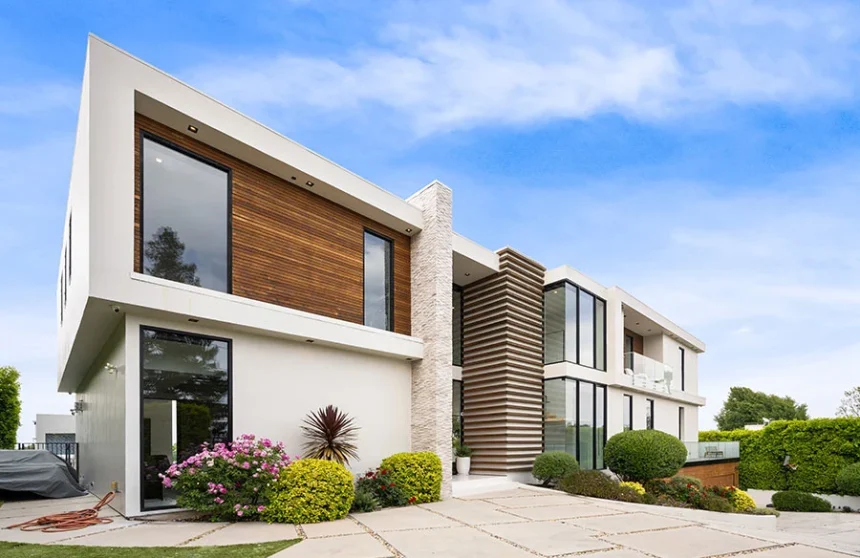
In the rapidly evolving world of architecture, the facade plays a pivotal role in determining the aesthetic and functional aspects of a building. Modern facade designs are not just about aesthetics; they also involve innovative solutions to improve sustainability and energy efficiency.
Architects are continuously pushing the boundaries, experimenting with materials and technologies to create buildings that are not only beautiful but also environmentally friendly. The integration of these new facade trends is essential for urban environments where sustainability is becoming a critical concern.
Dynamic Facades
Dynamic facades are components of a building that actively change in response to the environment. This can include features such as shutters that adjust to sunlight, or panels that automatically alter to manage temperature changes. These facades enhance the energy efficiency of buildings and contribute to reducing energy consumption.
These systems can significantly lower the energy needed for heating, cooling, and lighting, thus supporting green building initiatives. In addition, they enable architects to design with more creativity, integrating technology seamlessly into building aesthetics.
Green Facades
Green facades incorporate vegetation located strategically on a building’s exterior. These living walls provide a natural insulation layer, reduce energy usage, and improve air quality. They also contribute to the aesthetic appeal, offering a fusion of nature and urban architecture.
Green facades are particularly beneficial in urban settings where green spaces are limited. They can transform grey concrete jungles into vibrant ecosystems, enhancing both human well-being and biodiversity.
Transparent Facades
The use of glass and other transparent materials can create open, airy spaces while maintaining connections between the interior and exterior environments. Technologies like smart glass, which can change transparency levels, add a dimension of versatility to these facade designs.
Transparent facades allow for abundant natural light, decreasing the need for artificial lighting. This not only reduces energy consumption but also enhances the psychological comfort of the space’s occupants by creating an inviting atmosphere.
High-Tech Facades
With the advancement of technology, high-tech facades have emerged. These facades integrate features such as solar panels, interactive displays, and shading devices that respond to climatic conditions in real-time.
High-tech facades support sustainable practices by actively participating in energy harvesting and optimisation. This technology-driven approach not only improves energy performance but also transforms buildings into intelligent structures that adapt to users’ needs.
Material Innovation
Modern facade designs often incorporate innovative materials that provide improved performance and aesthetics. Materials like lightweight composites, advanced metals, and environmentally friendly cladding options are being utilised to incredible effect.
Innovative materials can offer enhanced durability, reduced maintenance needs, and improved thermal performance, essential for addressing contemporary environmental concerns.
Interactive Facades
Interactive facades are becoming popular for their ability to engage with the public through digital displays or responsive elements that change based on passerby interaction. These facades create a dynamic urban landscape, contributing to the vibrancy of public spaces.
Such designs not only draw attention but also enhance the cultural experience by blending digital art with architecture, making buildings living, breathing parts of the community.
Conclusion
Innovative facade design is at the forefront of architectural innovation, shaping how buildings interact with their environment and with people. As these trends continue to evolve, they promise to make cities more sustainable, efficient, and aesthetically appealing.
The exploration of new materials and technologies in facade design is instrumental in addressing global challenges like climate change. By embracing these progressive approaches, architects are not only transforming the skyline but also paving the way for a sustainable urban future.