Gastric bypass surgery is a transformative procedure for individuals struggling with obesity and its related health complications. It is a type of weight-loss surgery that alters the digestive system, making it an effective solution for those who have found little success with traditional weight-loss methods. For residents of Sydney, gastric bypass surgery in Sydney offers a promising path to a healthier lifestyle.
Understanding Gastric Bypass Surgery
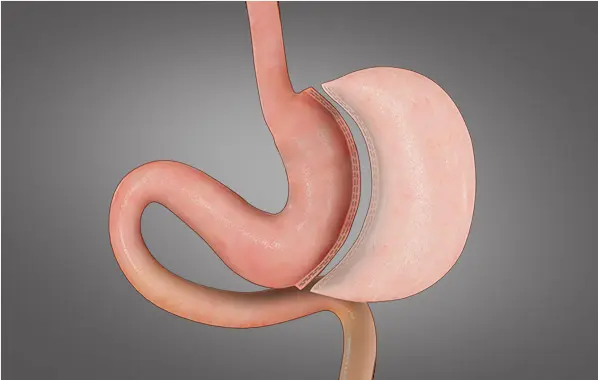
Gastric bypass surgery involves creating a small pouch from the stomach and connecting it directly to the small intestine, effectively bypassing a large portion of the stomach. This not only limits the amount of food that can be consumed but also reduces the absorption of nutrients, thereby aiding in significant weight loss.
Eligibility for Gastric Bypass Surgery
Not everyone is a candidate for gastric bypass surgery. Typically, it is recommended for individuals with a Body Mass Index (BMI) of 40 or higher, or those with a BMI of 35 or higher who also have serious health issues related to obesity, such as type 2 diabetes or hypertension.
The Procedure
The surgery is performed under general anaesthesia and usually involves a hospital stay of about two to three days. It is done using laparoscopic techniques, which are minimally invasive and involve small incisions, leading to quicker recovery times and less post-operative pain.
Preoperative Preparations
Before undergoing gastric bypass surgery, patients will undergo a thorough medical evaluation and may need to adhere to a special diet. This is to ensure that the liver shrinks, allowing for a safer surgery.
Post-Operative Care and Recovery
Post-surgery, patients will need to follow specific dietary guidelines and gradually transition from liquid to solid foods. Regular follow-up appointments are crucial to monitor weight loss progress and nutritional intake.
Benefits of Gastric Bypass Surgery
The primary benefit of gastric bypass surgery is significant weight loss that can lead to the improvement or resolution of obesity-related health issues. Many patients also experience an enhanced quality of life, reduced joint pain, and increased mobility.
Risks and Complications
As with any surgery, gastric bypass carries risks such as infection, blood clots, and complications related to anaesthesia. Additionally, there is a risk of nutrient deficiencies due to the malabsorption aspect of the procedure.
Nutritional Considerations
Long-term success of gastric bypass surgery requires adherence to dietary changes, including the intake of vitamin and mineral supplements to prevent deficiencies.
The Role of Support Groups
Engagement with support groups can provide emotional support and valuable information for individuals undergoing gastric bypass surgery. These groups offer a platform to share experiences and strategies for managing lifestyle changes.
Cost of Gastric Bypass Surgery in Sydney
The cost of gastric bypass surgery in Sydney can vary widely, depending on the provider and the specific requirements of the patient. It is essential to consult with the surgical provider to understand the full scope of the costs involved.
Choosing the Right Surgeon
Selecting a highly qualified and experienced surgeon is crucial for a successful gastric bypass outcome. Researching the surgeon’s credentials and patient reviews can provide insights into their expertise and patient care philosophies.
Preparing for Lifestyle Changes
The lifestyle changes required after gastric bypass surgery are significant. Patients must commit to a healthier way of living, including regular physical activity and responsible dietary habits.
Monitoring Long-Term Success
Continuous follow-up and engagement with healthcare providers are essential for monitoring weight-loss progression and addressing any issues that may arise after the surgery.
Conclusion
Gastric bypass surgery is a life-changing procedure that offers a viable solution for sustained weight loss and the management of obesity-related health conditions. For those considering gastric bypass surgery in Sydney, it is important to thoroughly understand the procedure, its benefits, risks, and the lifestyle changes required for success.