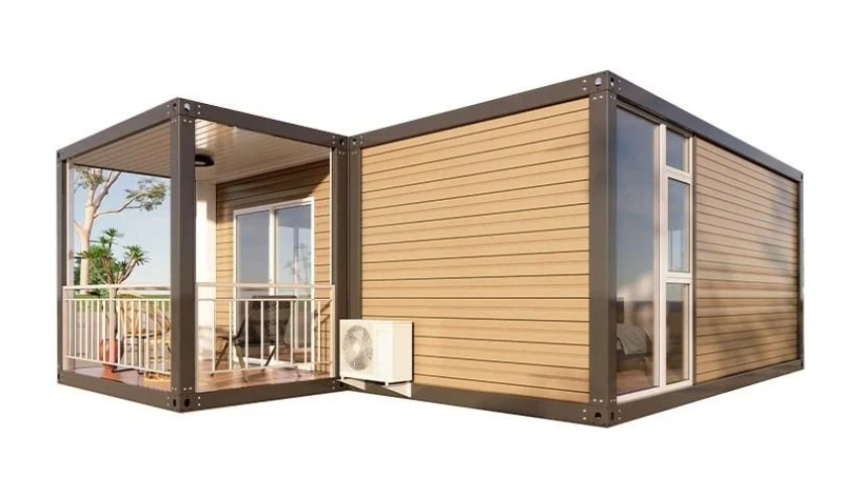
The concept of container homes has gained significant traction in recent years, offering a unique blend of modern living with ecological sensibilities. These structures, primarily constructed from repurposed shipping containers, provide a sustainable housing option that aligns with the growing desire for environmentally friendly lifestyles. Mr Cabins stands at the forefront of this innovative trend, offering expertise and solutions that facilitate the development of container homes.
Understanding Container Homes
Container homes utilise existing shipping containers as the framework for residential buildings. With the growing need for sustainable practices, these homes reduce waste by repurposing materials that would otherwise be discarded. Their modular nature allows for customisation and scalability, making them an increasingly popular choice for both urban and rural settings.
The Environmental Benefits
Sustainable living is no longer just a choice but a necessity. Container homes significantly reduce the carbon footprint associated with traditional home construction. By recycling used containers, these homes decrease the demand for new building materials, thus preserving natural resources. Furthermore, their energy-efficient designs often include features such as solar panels and high-quality insulation, further enhancing their eco-friendly credentials.
Design Flexibility
One of the main advantages of container homes is their versatility. Unlike conventional homes, which often require significant architectural changes to alter design or layout, container homes can be easily modified by rearranging or adding more containers. This flexibility allows homeowners to tailor their living spaces to their specific needs and preferences, providing a personalised living environment.
The Cost-Effectiveness of Container Homes
In addition to their environmental benefits, container homes present a cost-effective alternative to traditional housing. The initial purchase of a used shipping container is generally more affordable compared to the expenses associated with conventional construction materials. Moreover, the reduced construction time leads to lower labour costs, making container homes financially appealing for budget-conscious buyers.
Challenges and Considerations
While container homes offer numerous benefits, they also come with certain challenges. The initial design and planning phase can be complex, requiring specialised knowledge to ensure structural integrity and compliance with local building codes. Additionally, the metallic nature of the containers necessitates effective insulation to prevent temperature extremes and condensation.
Future Trends in Container Living
As urbanisation continues to rise, container homes are expected to play a crucial role in meeting the demands for affordable and sustainable housing. The trend is not only limited to residential applications but is also expanding into commercial and hospitality sectors, where container-based designs offer innovative solutions for offices and hotels.
Mr Cabins’ Role in the Container Home Industry
Mr Cabins has established itself as a leader in the container home market, providing comprehensive solutions from design through to construction. Their expertise ensures that each project aligns with client’s visions while adhering to environmental standards. Through innovative designs and sustainable practices, Mr Cabins is shaping the future of residential living.
Adaptations and Innovations
Innovation in container home design continues to evolve, with advancements in technology and materials enhancing the functionality of these homes. The integration of smart home technology, for instance, allows for efficient management of energy usage and provides convenience and security for occupants.
Importance of Community Support
The success of container homes also relies on broader community and governmental support. Policies encouraging the use of repurposed materials and providing incentives for sustainable building practices can facilitate wider adoption of container living.
Policy and Regulation
Regulatory frameworks are crucial in guiding the development of container homes. By establishing clear guidelines and standards, governments can ensure that these structures are safe, sustainable, and accessible to a broader population.
Case Studies and Success Stories
Numerous examples globally illustrate the success of container homes. From urban infill projects in Europe to off-the-grid residences in Australia, the versatility and adaptability of these homes demonstrate their potential as a viable housing solution for various environments and needs.
Sustainable Building Materials
The shift towards using recycled and sustainable materials in construction is well represented in the container homes industry. Products such as environmentally friendly insulation and energy-efficient windows contribute significantly to reducing the environmental impact of these homes.
Educational and Informative Resources
Educational resources and initiatives play a vital role in disseminating knowledge about the benefits and construction of container homes. Workshops, seminars, and online resources offered by companies like Mr Cabins help potential homeowners make informed decisions and understand the technicalities involved.
The Future is Now
With the increasing demand for sustainable living solutions, container homes represent a forward-thinking approach to modern housing challenges. By combining affordability, sustainability, and design flexibility, they offer an innovative solution that meets the needs of today’s environmentally conscious consumer. As Mr Cabins continues to lead the way, the future of container living looks promising and vibrant.