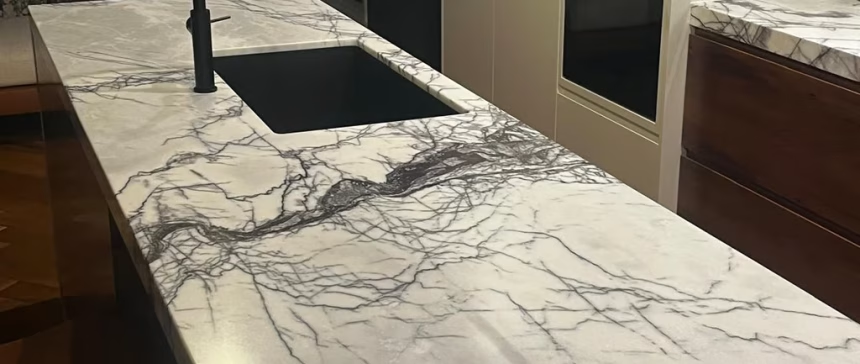
A newly installed marble surface often looks flawless. The clean polish, soft veining, and bright finish make it one of the most visually striking materials in any kitchen or bathroom. However, many homeowners notice a change within the first year. Dull patches begin to appear, cloudy marks become visible under light, and the surface no longer reflects the same smooth finish.
This is not a defect in the material. A Calacatta marble benchtop behaves exactly as natural marble is expected to. The issue lies in how the stone reacts to everyday use, something that is often not explained clearly during the buying process.
Understanding why these changes occur helps homeowners protect the surface and avoid unnecessary restoration costs.
Marble Reacts to Everyday Kitchen Conditions
Marble is a calcite-based natural stone, which means it is highly reactive to acidic substances. When acids come into contact with the surface, they do not simply sit on top. They trigger a chemical reaction that alters the structure of the stone itself.
In a typical kitchen environment, exposure to acids is unavoidable. Common ingredients such as lemon juice, vinegar, coffee, wine, and tomato-based foods all contain acids that can react with marble. Even a small spill left unattended for a short time can leave a visible mark.
This is why a Calacatta marble benchtop begins to show changes early. The damage is not caused by poor installation or low-quality material. It is a direct result of how the stone naturally interacts with its environment.
The Confusion Between Etching and Staining
One of the biggest reasons homeowners feel that marble is “failing” is because they misunderstand the type of damage they are seeing. Etching and staining are often confused, but they are completely different issues.
Staining occurs when liquids seep into the stone and change its colour. Oils, wine, and food residue can leave darker marks if they are absorbed into the surface. Etching, on the other hand, is a chemical reaction. It removes the polished finish and leaves a dull or cloudy patch.
The key difference is simple. Stains affect the colour, while etching affects the texture and shine. Because etched areas look similar to stains, many people try to clean them with stronger products, which only causes further damage.
Why Etching Appears So Quickly
Etching is not a surface mark that can be wiped away. It is a permanent change to the stone’s finish. When acid touches marble, it dissolves a small layer of the polished surface. This exposes the raw stone underneath, which reflects light differently.
As a result, etched areas appear lighter, duller, and less reflective than the surrounding surface. Under direct lighting, these patches become more noticeable, especially on polished finishes.
In active kitchens, where spills and food preparation happen daily, this type of wear is almost inevitable. This is why most Calacatta marble benchtop installations begin to show signs of etching within the first year.
The Hidden Impact of Kitchen Hygiene and Pests
While chemical reactions are the primary cause of surface damage, environmental conditions inside the home can also contribute to how quickly marble deteriorates. Kitchens that experience hidden pest activity often face additional challenges.
Rodents and insects are drawn to food residue and moisture. Even small amounts of organic material left on surfaces can attract pests. Their presence can introduce bacteria and contaminants that affect overall hygiene. In some cases, pest activity leads to increased cleaning frequency using harsh products, which can further damage marble surfaces.
This is why maintaining a clean and controlled environment is important, not just for hygiene but also for preserving natural stone. Many homeowners overlook this connection, focusing only on the stone itself rather than the conditions around it.
Structural and Moisture Issues That Accelerate Damage
The condition of the surrounding structure also plays a role in how marble surfaces perform over time. Moisture is one of the most significant factors. Poor ventilation, minor leaks, or humidity can affect both the stone and the cabinetry beneath it.
Moisture can make marble more vulnerable to staining by allowing liquids to penetrate more easily. It can also contribute to mould growth in hidden areas, affecting overall kitchen hygiene.
During renovations or installations, proper building inspections help identify these issues early. Addressing ventilation, sealing gaps, and ensuring structural integrity reduces the risk of long-term damage, not only to the benchtop but to the entire kitchen environment.
What Happens If Early Damage Is Ignored
Small dull spots or light marks may seem harmless at first, but they rarely stay that way. Once the polished surface begins to wear unevenly, additional damage tends to spread.
Repeated exposure to acids can expand etched areas, making the surface look patchy. Incorrect cleaning methods, especially using acidic or abrasive products, accelerate the process. Over time, the entire benchtop may lose its uniform finish.
Ignoring early signs often leads to more expensive restoration work later. Addressing minor damage early helps maintain the overall appearance and reduces long-term costs.
How Marble Surfaces Are Restored
When damage becomes noticeable across larger areas, professional restoration is usually required. Unlike regular cleaning, restoration involves mechanical processes that repair the stone itself.
Honing is used to remove shallow surface damage by smoothing the top layer of the marble. After honing, the surface is polished to restore its shine. A sealer is then applied to slow down liquid absorption and reduce the risk of staining.
It is important to understand that sealing does not prevent etching. It only provides limited protection against stains. This means that even after restoration, proper care remains essential.
Living With Marble Means Changing Daily Habits
Installing marble is not just a design decision. It requires a change in how the surface is used daily. Simple habits can make a significant difference in maintaining its appearance.
Using cutting boards, wiping spills immediately, and avoiding harsh cleaning products are essential practices. Placing coasters under drinks and keeping acidic substances away from direct contact with the surface also helps reduce damage.
A Calacatta marble benchtop offers a level of natural beauty that engineered materials cannot replicate. However, it comes with the responsibility of careful use and consistent maintenance.
Conclusion
Marble benchtops often begin to show signs of wear within the first year, not because they are faulty, but because they respond naturally to their environment. Acidic substances, moisture, and daily use all contribute to changes in the surface.
Understanding the difference between etching and staining, maintaining proper kitchen hygiene, and addressing structural conditions early can significantly extend the life of the stone. While restoration can repair damage, long-term results depend on how the surface is used and maintained.
A Calacatta marble benchtop remains one of the most visually appealing choices for interiors, but it performs best when homeowners understand its limitations and care requirements from the start.
FAQs
1. Why does a marble benchtop develop dull patches so quickly?
Dull patches are usually caused by etching, which happens when acidic substances react with the marble surface.
2. Can sealing marble prevent damage?
Sealing helps reduce staining but does not stop etching caused by acids.
3. Is etching the same as staining?
No. Etching affects the surface finish, while staining changes the colour of the stone.
4. Can damaged marble be restored?
Yes, professional honing and polishing can restore the surface, depending on the extent of damage.
5. How can I maintain a marble benchtop properly?
Clean with pH-neutral products, wipe spills quickly, avoid acidic substances, and use protective items like coasters and cutting boards.