High-voltage X-ray sources are central components in advanced imaging systems used for industrial inspection, security screening, medical diagnostics, and scientific research. These integrated modules combine X-ray tubes, high-voltage electronics, cooling systems, and control mechanisms into compact units, simplifying system design while enhancing performance. Understanding how these sources function and integrate into larger imaging systems allows engineers and developers to create more reliable, efficient machines.
This guide explores what high-voltage X-ray sources are, their importance, and key integration factors. It also emphasizes the role of experienced high voltage X-ray source manufacturers and how selecting the right high-voltage generator solution ensures optimal performance, reliability, and consistent output across diverse applications.
What Is a High Voltage X-Ray Source?
A high-voltage X‑ray source is a self‑contained imaging module that combines the X‑ray tube, high‑voltage electronics, control systems, cooling, and radiation shielding into a single package. These sources eliminate the need for separate high‑voltage power supplies, external wiring, and multiple enclosures, making them ideal for OEM integration across a wide range of imaging systems.
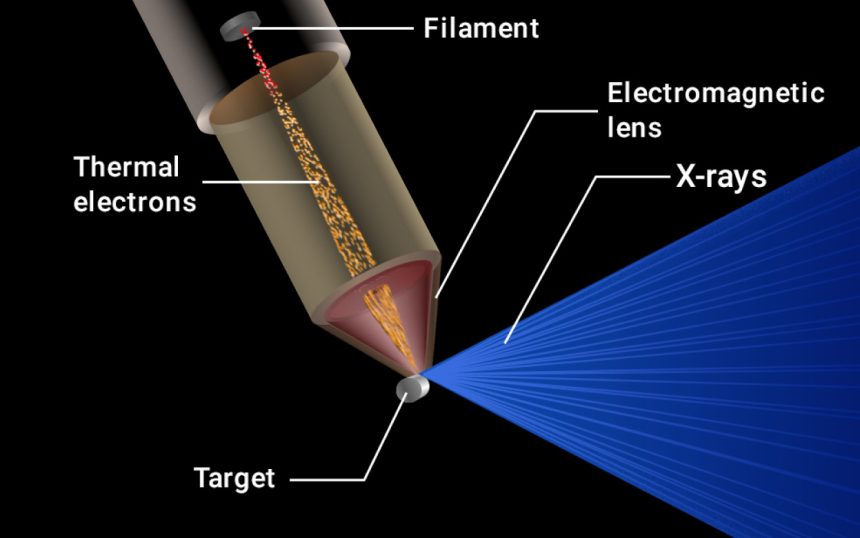
At the core of these sources is an X‑ray tube where electrons are accelerated at high voltage and collide with a metal target to generate X‑ray photons. What makes the module innovative is the integration of the high‑voltage generator and the supporting electronics into a compact and calibrated unit. A strong high-voltage generator solution keeps the electron acceleration stable and predictable, producing consistent X‑ray output.
By packaging all these elements together, high voltage X-ray source manufacturers provide designers with units that are easier to deploy, require less maintenance, and deliver stable performance even under demanding conditions.
Key Components of an Integrated X-Ray Source
A typical integrated high-voltage X‑ray source includes multiple parts that work together to generate and control X‑rays:
- X-Ray Tube: The part where electrons strike a metal target and generate X‑rays. The design and construction of the tube directly affect resolution, contrast, and imaging depth.
- High‑Voltage Generator: The electrical core that accelerates electrons to high energy levels. This is where high-voltage generator solution design matters the most, as stable high‑voltage output ensures consistent X‑ray photon generation.
- Control Electronics: These manage voltage regulation, output timing, and safety interlocks, integrating seamlessly with system controls via digital or analog interfaces.
- Thermal Management: X‑ray generation produces heat. Efficient cooling systems protect internal components and ensure the source can operate continuously without performance loss.
- Protective Housing: This shields operators from high voltage and radiation, simplifying regulatory compliance and improving safety.
By combining all of these into one unit, imaging systems become easier to design and more reliable in operation.
Benefits of Integrated X-Ray Modules in Imaging Systems
Integrated high voltage X‑ray sources offer several advantages for system integration and performance:
Compact and Easily Integrated Design
Integrated units shrink the footprint of traditional X‑ray systems. Designers no longer need to space out separate high‑voltage power supplies and tubes, which reduces system size and simplifies mechanical design.
This compactness is especially valuable in applications where space is limited or portability is important, such as mobile security scanners and field inspection units.
Improved System Reliability
With fewer external connections and fewer separate components, integrated sources reduce potential failure points. A reliable high voltage generator solution helps maintain consistent performance over long operational hours.
This reliability is essential in continuous operations like manufacturing quality control or baggage screening at high throughput. Integrated designs lead to lower maintenance needs and longer service life.
Consistent Output and Image Quality
Because the X‑ray tube and high‑voltage electronics are calibrated as a single unit, integrated sources provide predictable and stable X‑ray output. This yields better imaging quality and repeatability, which is crucial in medical diagnostics and precision industrial inspection.
High quality imaging systems depend on consistent voltage and current delivery, which integrated modules provide.
Ease of System Development and Deployment
Integrated units reduce engineering complexity. System developers can focus on overall imaging performance rather than troubleshooting separate components and wiring.
This shortens development cycles and helps OEM partners bring products to market faster.
How Integrated X-Ray Sources Fit into Different Imaging Systems
Integrated high voltage X‑ray sources are used in a wide array of imaging systems across many industries:
Security and Threat Detection
In security applications such as baggage scanners and portable explosive detection, small integrated sources deliver stable X‑ray output for rapid and accurate imaging. They help systems capture clear images to detect threats without compromising throughput.
Security systems often require rugged, maintenance‑friendly designs that can run constantly with minimal downtime. A reliable high-voltage generator solution is critical for such performance.
Industrial Non‑Destructive Testing
Industrial inspection systems depend on X‑ray imaging to find defects in materials, measure thickness, and verify internal structures without destroying objects. Integrated sources provide the power and stability needed for these tasks.
From automotive components to aerospace parts, compact X‑ray modules easily embed into industrial systems, delivering reliable image clarity.
Medical Imaging and Diagnostics
In medical settings like dental CBCT or bone densitometry, integrated sources deliver high‑resolution imaging with controlled doses, reducing patient exposure while ensuring diagnostic accuracy.
Consistent voltage output and thermal stability help healthcare systems operate safely and effectively.
Analytical and Scientific Instrumentation
In research labs, consistent X‑ray output is crucial for material analysis, spectrometry, and crystallography. Integrated sources support repeatable measurements and reduce noise, which improves data reliability.
These imaging systems benefit from stable high‑voltage modules that integrate seamlessly with scientific instrumentation.
Conclusion
High-voltage X‑ray sources simplify imaging system design, enhance performance, and ensure consistent output across applications. By integrating the X‑ray tube, high-voltage electronics, cooling, and controls, developers reduce complexity and cut development time while maintaining reliable imaging quality. Selecting the right unit from experienced high voltage X ray source manufacturers ensures industrial, medical, security, and scientific systems benefit from a properly matched high-voltage generator solution with optimal performance and long lifespan.
If you are looking for reliable, high-quality integrated X-ray sources and high-voltage generator solutions, VJ X‑Ray is a global leader in advanced X-ray technology. With decades of expertise, they provide customizable high-voltage X-ray modules, precise high-voltage generators, and tailored integrations for industrial, medical, security, and analytical applications. Services include OEM consultation, system integration support, and worldwide technical assistance to ensure reliable performance and optimized results.