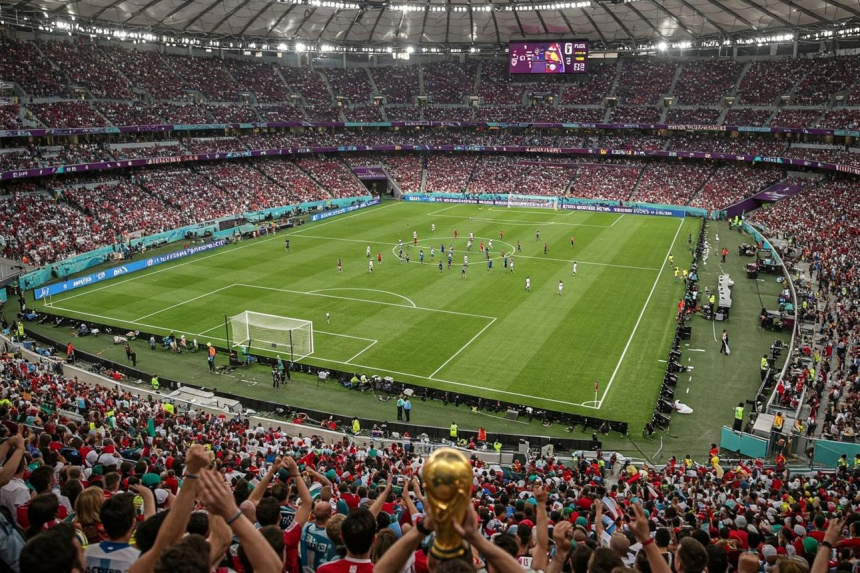
The FIFA World Cup has always played a major role in shaping the future of football. Every tournament introduces new stars, unforgettable moments, and important changes that influence the sport around the world. However, the upcoming แทงบอลโลก World Cup 2026 could become one of the most transformative tournaments in football history.
With 48 teams, 104 matches, three host countries, and massive technological advancements, the 2026 edition is expected to be larger and more influential than any previous World Cup. FIFA hopes the tournament will not only entertain billions of fans but also expand football’s global reach and modernize the sport for future generations.
Many football experts believe the 2026 World Cup could permanently change how football is played, watched, organized, and experienced worldwide.
Expansion to 48 Teams
One of the biggest changes in the 2026 tournament is the expansion from 32 teams to 48 teams. This decision could reshape international football for decades.
The larger format allows more countries to qualify for the World Cup, especially nations from Africa, Asia, North America, and smaller football regions. For many developing football nations, qualification for the World Cup can completely transform interest in the sport.
More participation means more investment in youth development, training facilities, and football infrastructure. Countries that previously struggled to compete internationally may now see football grow rapidly at local and national levels.
This expansion could make football more global than ever before by giving smaller nations greater opportunities to succeed on the world stage.
Football Growth in North America
The 2026 FIFA World Cup will be hosted by United States, Canada, and Mexico.
This is the first time three countries will organize the World Cup together, and many believe it could significantly strengthen football in North America.
In the past, football was not considered the top sport in the United States or Canada. However, the sport has grown rapidly during recent years. Major League Soccer continues expanding, youth participation is increasing, and international football audiences are reaching record levels.
Hosting the World Cup could inspire millions of young people across North America to become football players and supporters. It may also encourage more investment in academies, coaching systems, women’s football, and professional clubs.
Mexico already has a deep football culture, and its passionate supporters are expected to help create an unforgettable tournament atmosphere.
Technology Could Transform the Fan Experience
The 2026 World Cup is also expected to push football technology forward.
Modern sports broadcasting has already changed how fans watch football. High-definition video, instant replays, advanced statistics, and VAR technology have become important parts of the game.
The 2026 tournament may introduce even more advanced innovations, including:
- Artificial intelligence analysis
- Enhanced VAR systems
- Interactive live streaming
- Virtual reality experiences
- Real-time player tracking
- Personalized viewing options
Fans watching from home could enjoy more immersive experiences than ever before.

Some experts believe future football broadcasts may allow supporters to choose camera angles, receive live tactical analysis, or experience matches through virtual stadium environments.
Social Media and Digital Football Culture
Social media is another reason why the 2026 World Cup could change football’s future.
Platforms such as YouTube, Instagram, TikTok, and X (formerly Twitter) have transformed how fans interact with football.
Today, goals, highlights, and player reactions spread globally within seconds. Young audiences especially follow football through digital platforms instead of traditional television.
The 2026 World Cup could become the most digitally connected football tournament ever. This may permanently change how future generations consume football content and engage with players, clubs, and national teams.
Financial Impact on Global Football
The World Cup generates billions of dollars through sponsorships, broadcasting rights, tourism, ticket sales, and advertising.
A highly successful 2026 tournament could increase financial investment across world football. More money may flow into youth academies, grassroots football, stadium infrastructure, and professional leagues.
Large commercial success may also encourage companies and investors to expand football markets in countries where the sport is still developing.
This economic growth could strengthen football globally and create new opportunities for players, coaches, and football organizations.
A More Global Football Community
The expanded tournament format may also create a more united global football community.
More countries participating means more cultures, supporters, and football traditions joining the tournament. Fans from different backgrounds will share experiences, celebrate together, and create stronger international football connections.
The World Cup has always been about more than just sport. It represents national pride, cultural exchange, and global unity.

The 2026 edition could strengthen football’s role as one of the few activities capable of connecting billions of people emotionally across the world.
Influence on Young Players
World Cups often inspire new generations of footballers.
Children watching the tournament may dream of representing their countries one day. Legendary moments from previous World Cups have motivated countless players to begin their football journeys.
The 2026 tournament could inspire even more young athletes because of its larger global reach and digital visibility. New football heroes may emerge and become role models for millions of children worldwide.
This inspiration is important because football’s future depends heavily on youth participation and development.
Challenges FIFA Must Manage
Despite the excitement, there are also concerns about how the tournament may affect football’s future.
One major issue is player fatigue. More teams and more matches mean players could face heavier physical pressure during already crowded football calendars.
Travel distances across North America may also create logistical challenges for teams and supporters. Environmental concerns related to large-scale travel and stadium operations are another important topic.
Some critics also worry that expanding the tournament could reduce match quality if weaker teams struggle competitively against stronger football nations.
FIFA will need to carefully balance commercial growth with the quality and integrity of the sport.
Entertainment and Commercial Evolution
The 2026 World Cup may also influence football’s entertainment style.
North America is known for combining sports with large-scale entertainment productions. Some experts believe FIFA could introduce more entertainment-focused elements during the tournament, including bigger opening ceremonies, concerts, fan festivals, and enhanced digital experiences.
This could change how football events are presented in the future by making tournaments feel more like global entertainment spectacles rather than traditional sporting competitions.
The Future of Football After 2026
Many experts believe the 2026 World Cup may become a turning point for football globally.
If the tournament succeeds, FIFA may continue expanding football into new markets, investing in technology, and modernizing fan experiences. Other international competitions may also adopt similar innovations and commercial strategies.
The tournament could influence everything from broadcasting and player development to fan engagement and global marketing.
Most importantly, it may help football become even more accessible and popular worldwide.
Conclusion
The แทงบอลโลก World Cup 2026 has the potential to significantly change the future of football.
With 48 teams, advanced technology, massive global audiences, three host countries, and stronger digital engagement, the tournament represents a new era for the sport.
It could expand football into new regions, inspire future generations, modernize fan experiences, and increase global investment in the game.