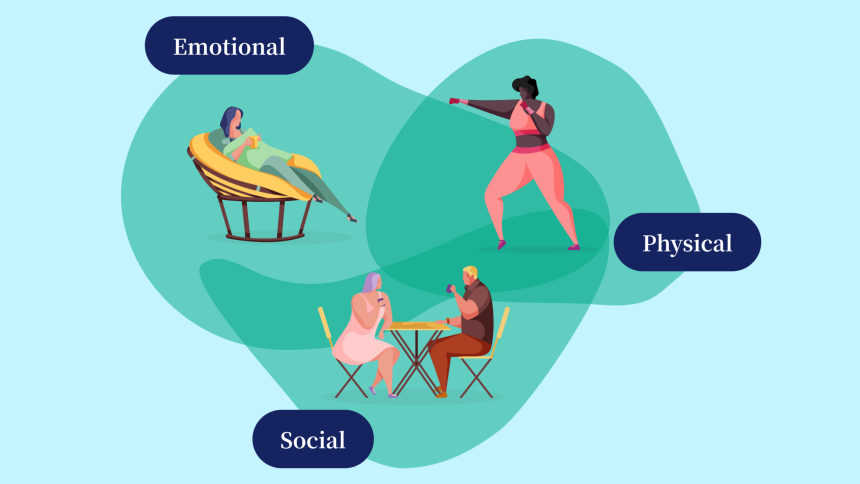
In today’s fast-paced world, maintaining emotional and physical well-being can feel increasingly difficult. Daily stress, unhealthy routines, financial pressures, relationship challenges, and mental health struggles often affect people in ways they may not immediately recognize. Over time, these challenges can influence not only emotional stability but also physical health, energy levels, productivity, and overall quality of life.
Many individuals try to manage these difficulties alone, believing they should simply “push through” stress or emotional pain. However, lasting wellness often requires more than temporary solutions. Comprehensive support systems that address both mental and physical health can make a significant difference in helping individuals regain balance and build healthier lives.
A well-rounded approach to wellness focuses on treating the whole person rather than addressing symptoms alone. Through therapy, medical care, lifestyle improvements, family involvement, and emotional support, people can strengthen their ability to cope with challenges and improve their overall well-being.
Understanding Emotional and Physical Well-Being
Emotional and physical health are closely connected. When one area suffers, the other is often affected as well. For example, chronic stress or anxiety can lead to headaches, fatigue, digestive problems, sleep disturbances, and weakened immunity. Likewise, physical illnesses or ongoing pain can negatively impact mood, motivation, and emotional resilience.
Emotional well-being involves the ability to manage stress, maintain healthy relationships, express feelings appropriately, and adapt to life’s challenges. Physical well-being includes proper nutrition, exercise, sleep, medical care, and healthy daily habits.
Ignoring emotional health can eventually create physical complications, while poor physical health can contribute to emotional struggles such as depression or anxiety. Because these areas are deeply interconnected, a complete wellness strategy should support both mental and physical needs simultaneously.
The Importance of Comprehensive Support
Comprehensive support means providing multiple forms of care that work together to improve a person’s quality of life. Instead of focusing on only one issue, this approach recognizes that emotional, physical, social, and psychological factors all influence overall wellness.
This type of support may include:
- Mental health counseling
- Medical care and monitoring
- Nutritional guidance
- Stress management techniques
- Group support
- Family counseling
- Holistic therapies
- Lifestyle coaching
- Addiction recovery support when needed
Programs that offer comprehensive behavioral health treatment often focus on helping individuals understand the root causes of their struggles while providing practical tools for long-term healing and personal growth.
Emotional Benefits of Strong Support Systems
One of the most important advantages of comprehensive care is improved emotional well-being. Having access to professional guidance and supportive relationships can help individuals feel less isolated and more hopeful about their future.
Reduced Stress and Anxiety
Stress affects nearly everyone, but chronic stress can become overwhelming without proper coping strategies. Therapy, mindfulness practices, and emotional support can help individuals learn healthier ways to manage pressure and regain a sense of control.
Supportive environments also allow people to openly discuss their feelings without fear of judgment. Simply having someone listen and provide guidance can significantly reduce emotional burdens.
Improved Self-Esteem and Confidence
Many people struggling with emotional difficulties experience low self-esteem or feelings of failure. Comprehensive support encourages self-awareness, self-compassion, and positive personal development.
As individuals achieve small goals and begin making healthier choices, their confidence often grows. This increased self-belief can motivate them to continue improving other areas of their lives.
Better Emotional Regulation
Emotional regulation is the ability to manage feelings in healthy and productive ways. Without proper support, some individuals may respond to stress through anger, withdrawal, unhealthy habits, or substance use.
Counseling and behavioral therapies teach coping mechanisms that help people respond to challenges more calmly and effectively. Over time, these skills can improve communication, decision-making, and relationship stability.
Physical Health Improvements Through Holistic Care
Comprehensive support does not only improve emotional wellness—it can also have a major impact on physical health.
Better Sleep Quality
Sleep plays a vital role in maintaining both mental and physical health. Anxiety, depression, and chronic stress often interfere with healthy sleep patterns, leading to exhaustion and reduced concentration.
Supportive care programs frequently address sleep hygiene by helping individuals develop consistent routines, reduce stress, and improve relaxation techniques. Better sleep can increase energy, strengthen immunity, and improve mood.
Healthier Lifestyle Habits
Physical wellness often improves when people receive encouragement and guidance for healthier living. Nutritional support, exercise planning, and wellness education can help individuals make sustainable lifestyle changes.
Regular physical activity can improve cardiovascular health, reduce stress hormones, and boost emotional well-being. Similarly, balanced nutrition supports brain function, energy levels, and long-term health.
Reduced Risk of Chronic Health Problems
Long-term stress and poor emotional health may contribute to serious physical conditions such as heart disease, high blood pressure, obesity, and weakened immune function.
Comprehensive care encourages preventative health practices and early intervention, helping individuals better manage both emotional and physical symptoms before they become more severe.
The Role of Social and Family Support
Human connection is an essential part of emotional wellness. Isolation often increases feelings of sadness, anxiety, and hopelessness, while strong relationships can improve resilience and emotional stability.
Family counseling and group support programs help individuals rebuild trust, improve communication, and strengthen personal relationships. These connections can provide ongoing encouragement during difficult times.
Support groups also remind individuals that they are not alone in their experiences. Hearing stories from others who have faced similar challenges can inspire hope and motivation for recovery and growth.
Addressing Co-Occurring Challenges
Many individuals experience multiple challenges at the same time. Mental health disorders, stress, trauma, and substance use issues often overlap and influence one another.
For example, someone experiencing anxiety may begin using unhealthy coping mechanisms to manage emotional pain. Over time, this can create additional physical and emotional complications.
A comprehensive approach helps identify these interconnected issues and treat them together rather than separately. This integrated care model often leads to more effective and lasting results because all contributing factors are addressed simultaneously.
Building Long-Term Resilience
True wellness is not about avoiding every difficulty in life. Instead, it involves developing the ability to navigate challenges in healthy and productive ways.
Comprehensive support helps individuals build resilience by teaching practical life skills such as:
- Stress management
- Goal setting
- Healthy communication
- Emotional awareness
- Problem-solving
- Time management
- Self-care practices
These skills can continue benefiting individuals long after formal treatment or counseling has ended.
Resilience also helps people maintain progress during future setbacks or stressful situations. Rather than feeling overwhelmed, they become better equipped to respond with confidence and stability.
The Importance of Seeking Help Early
Many people delay seeking support because they feel embarrassed, uncertain, or afraid of judgment. Unfortunately, untreated emotional and physical health concerns often become more difficult over time.
Seeking help early can prevent small issues from developing into larger problems. Early support may improve relationships, reduce health risks, increase productivity, and improve overall happiness.
Professional care is not only for people experiencing severe crises. Anyone facing ongoing stress, emotional difficulties, burnout, or life challenges can benefit from supportive guidance and wellness-focused care.
Creating a Healthier Future
Improving emotional and physical well-being is an ongoing process that requires patience, commitment, and support. No single solution works for everyone, which is why personalized and comprehensive approaches are so valuable.
By addressing mental, physical, emotional, and social needs together, individuals can create stronger foundations for long-term wellness. Supportive care encourages healthier habits, emotional healing, stronger relationships, and greater self-awareness.
Whether someone is managing stress, recovering from emotional struggles, or simply trying to improve their quality of life, comprehensive support can provide the tools and encouragement needed for meaningful growth and lasting well-being.
Investing in overall wellness today can lead to a healthier, more balanced future filled with greater resilience, confidence, and emotional strength.