
Introduction
Mac users are known for valuing simplicity, performance, and high-quality digital experiences. As streaming technology continues to evolve, many people are turning to IPTV as a flexible way to watch television content online. IPTV, which stands for Internet Protocol Television, delivers live TV channels, movies, and on-demand programs through an internet connection instead of traditional cable or satellite services. For users who own a Mac, understanding how IPTV works and how it can enhance their entertainment experience is becoming increasingly important.
The growing popularity of IPTV has led many viewers to search for reliable information about compatibility, setup options, streaming quality, and device performance. Mac computers are well-suited for modern streaming solutions because they offer powerful hardware, excellent displays, and stable operating systems. Whether someone uses a MacBook Air, MacBook Pro, iMac, or Mac Studio, IPTV can provide access to a wide range of content through supported applications and web-based platforms. Understanding the basics helps users make informed decisions and enjoy a smoother viewing experience.
IPTV and How It Works on Mac
IPTV uses internet technology to deliver television content directly to users through online networks. Unlike traditional broadcasting methods that rely on satellite signals or cable infrastructure, IPTV streams media through data packets over the internet. This allows viewers to access live television channels, video-on-demand libraries, and recorded content from a single platform. The convenience of IPTV has made it one of the fastest-growing entertainment solutions worldwide.
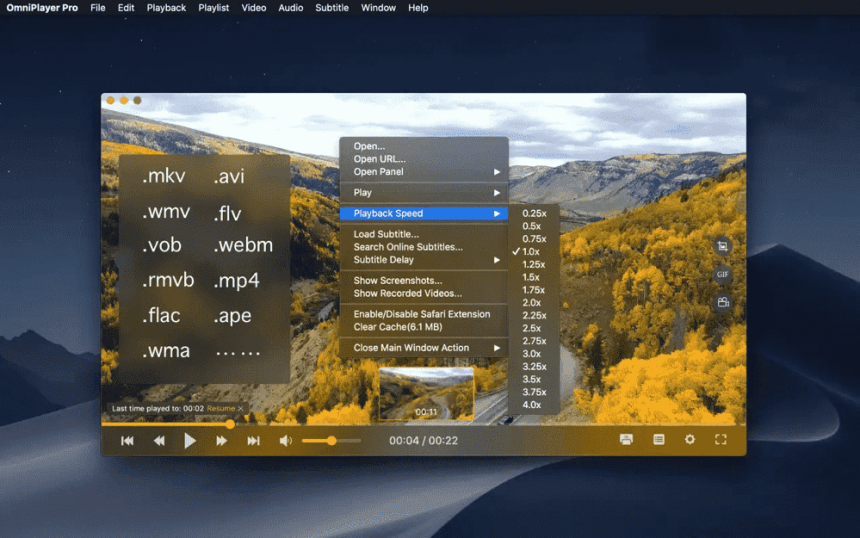
On a Mac, IPTV typically works through dedicated IPTV player applications or browser-based services. Once users subscribe to a provider and receive their playlist details, they can connect the service to compatible software and begin streaming. Mac devices are capable of handling high-definition and even 4K content depending on internet speed and hardware capabilities. The combination of Apple’s optimized ecosystem and IPTV technology creates a viewing experience that is both reliable and user-friendly.
Benefits of Using IPTV on a Mac
One of the biggest advantages of IPTV on a Mac is flexibility. Users are not tied to a television set and can watch their favorite channels from virtually anywhere with an internet connection. This portability makes MacBooks especially attractive for people who travel frequently or prefer entertainment on the go. IPTV services often include live sports, news, movies, international channels, and on-demand content, giving viewers a wide range of viewing options.
Another significant benefit is the high-quality display experience offered by Mac devices. Retina displays provide sharp visuals, vibrant colors, and excellent detail, enhancing the enjoyment of streamed content. Additionally, macOS is known for its stability and security, which can contribute to smoother streaming sessions. Many IPTV users also appreciate the ability to multitask on a Mac, allowing them to browse the web, work, or communicate while watching content in another window.
Choosing the Right IPTV Solution for Mac Users
Selecting the right IPTV service is an important step toward achieving a positive streaming experience. Not all IPTV providers offer the same level of content quality, channel availability, or technical support. Users should look for services that provide stable streams, responsive customer service, and compatibility with Mac operating systems. A trustworthy provider can help reduce buffering issues and improve overall satisfaction.
For viewers interested in learning more about IPTV services and related streaming topics, Readers can find more general information. Educational resources can help users understand different service options, device compatibility, and streaming best practices. A platform such as IPTV Canadian can be particularly useful for individuals seeking guidance about IPTV technology, setup recommendations, and industry updates. Having access to reliable information allows users to make better choices and maximize their entertainment investment.
Streaming Performance and Optimization on Mac
Streaming performance depends on several factors, including internet speed, network stability, device specifications, and software optimization. Mac computers generally perform well when handling IPTV streams because they are designed with efficient processors and advanced graphics capabilities. However, users should ensure that their systems remain updated to benefit from the latest security improvements and performance enhancements.
A strong internet connection is equally important. Most IPTV services recommend broadband connections capable of supporting high-definition streams without interruption. Users experiencing buffering can improve performance by closing unnecessary applications, connecting through a wired network when possible, and ensuring their router operates efficiently. These simple steps can significantly improve streaming quality and reduce playback issues, resulting in a more enjoyable viewing experience on a Mac.
IPTV Features That Appeal to Modern Mac Users
Modern IPTV platforms offer features that extend beyond traditional television viewing. Many services include catch-up TV, video-on-demand libraries, electronic program guides, cloud-based recordings, and multi-device support. These features allow users to personalize their entertainment experience and access content according to their schedules rather than fixed broadcast times.
Mac users often appreciate technology that emphasizes convenience and efficiency, making IPTV an attractive option. Features such as searchable content libraries, customizable channel lists, and user-friendly interfaces complement the streamlined design philosophy associated with Apple products. As IPTV platforms continue to evolve, they are introducing smarter recommendation systems and enhanced navigation tools that make discovering new content easier than ever before. This combination of innovation and accessibility contributes to the increasing popularity of IPTV among Mac owners.
The Future of IPTV on Mac Devices
The future of IPTV on Mac looks promising as streaming technology continues to advance. Improvements in internet infrastructure, cloud computing, and content delivery networks are helping IPTV services become faster, more reliable, and more scalable. As consumer demand for flexible entertainment grows, IPTV providers are investing in better user experiences and expanded content offerings.
Mac devices are expected to remain highly compatible with future IPTV developments due to Apple’s commitment to performance and software optimization. Emerging technologies such as artificial intelligence, enhanced video compression, and personalized content recommendations will likely play a greater role in how IPTV services operate. These innovations could lead to faster loading times, improved stream quality, and more tailored viewing experiences. As a result, Mac users can expect IPTV to become an even more powerful entertainment solution in the years ahead.
Conclusion
IPTV has transformed the way people consume television content, and Mac users are well-positioned to benefit from this modern streaming technology. By using internet-based television services, viewers gain access to a wide range of live channels, on-demand programming, and advanced viewing features that fit today’s digital lifestyle. The powerful hardware, excellent displays, and stable operating system found in Mac devices make them ideal for IPTV streaming.
As the IPTV industry continues to grow, users who understand the fundamentals of setup, performance optimization, and service selection will enjoy the best possible experience. Whether someone is new to IPTV or exploring ways to enhance their current entertainment options, a Mac provides a dependable platform for accessing high-quality content. With trusted resources like IPTV Canadian offering valuable insights into the streaming world, users can stay informed and make confident decisions as IPTV technology continues to evolve.