Introduction
Flexible electronics and hybrid PCB systems are rapidly changing how modern devices are designed and built. From wearable technology to aerospace systems, engineers now depend on lighter, smaller, and more reliable circuit solutions. This shift has made rigid-flex designs a core part of advanced electronics manufacturing, especially where space saving and durability are essential.
In today’s fast-moving industry, companies like Fast Turn PCBs are helping accelerate innovation by offering scalable solutions such as the best rigid flex pcb manufacturer services and fast turn rigid flex pcb production. These capabilities allow designers to move from concept to prototype quickly while maintaining high performance standards. As demand grows, understanding the future of flexible electronics becomes important for engineers, product developers, and manufacturers alike.
What is flexible electronics and hybrid rigid-flex PCB technology
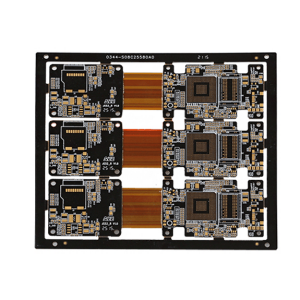
Flexible electronics refers to circuits built on bendable materials that allow movement without breaking electrical connections. When combined with rigid sections, the result is hybrid rigid-flex PCB technology, which provides both stability and flexibility in a single design. This structure is widely used in compact devices where traditional boards cannot fit or survive mechanical stress.
These systems are essential in industries like medical devices, military equipment, and consumer electronics because they reduce connectors and improve reliability. The best rigid flex pcb manufacturer focuses on optimizing layer stacking, signal integrity, and mechanical strength to ensure long-lasting performance. With advanced materials like polyimide and controlled impedance routing, engineers can design compact systems that maintain high-speed performance under demanding conditions.
Market drivers shaping flexible electronics today
The demand for smaller, smarter, and more powerful devices is one of the strongest forces driving flexible electronics forward. Smartphones, wearables, and IoT devices require compact layouts that still support high processing power and fast data transfer. This is pushing manufacturers to adopt rigid-flex solutions that reduce assembly complexity and improve durability.
Another major driver is the rapid growth of automotive and aerospace electronics, where vibration resistance and lightweight design are critical. In these industries, fast turn rigid flex pcb solutions help companies speed up testing and deployment. As global competition increases, businesses rely on quick prototyping and reliable suppliers to shorten development cycles while maintaining strict quality standards.
Materials and manufacturing innovations in hybrid PCBs
Material science plays a key role in the evolution of hybrid PCB technology. Modern rigid-flex boards use advanced substrates like polyimide, PTFE, and flexible epoxy resins that improve heat resistance and bending performance. These materials allow circuits to withstand repeated movement without cracking or losing signal quality, which is essential for long-term reliability.
Manufacturing techniques have also improved significantly with laser drilling, HDI structures, and precision lamination processes. These innovations help achieve tighter tolerances and better electrical performance in complex multilayer designs. A reliable best rigid flex pcb manufacturer focuses on reducing defects while improving consistency, ensuring each board performs well in high-frequency and high-temperature environments commonly found in aerospace, medical, and industrial systems.
Fast turn rigid flex PCB and rapid prototyping advantages
Speed has become a critical factor in electronics development, especially when companies are racing to bring new products to market. Fast turn rigid flex pcb services allow engineers to quickly test design ideas, validate performance, and make adjustments without long production delays. This fast turnaround is essential for startups and large enterprises alike.
Rapid prototyping also reduces risk by identifying design flaws early in the development process. With advanced PCB fabrication technologies, manufacturers can deliver functional prototypes in days instead of weeks. Companies like Fast Turn PCBs support this demand by offering efficient workflows that combine design verification, material selection, and assembly optimization, helping engineers move from concept to production with confidence.
Conclusion
The future of electronics is clearly moving toward more flexible, compact, and high-performance systems. Hybrid rigid-flex PCB technology is at the center of this transformation, enabling devices that are both durable and highly efficient. As industries continue to evolve, the need for advanced design capabilities and reliable manufacturing partners becomes even more important.
Choosing the best rigid flex pcb manufacturer is no longer just about production capacity but also about innovation, speed, and engineering support. Solutions like fast turn rigid flex pcb production are helping companies reduce development time while improving product quality. With ongoing advancements in materials, manufacturing techniques, and design tools, flexible electronics will continue to shape the next generation of smart devices and connected systems.
Visit FastTurnPCBs.com for fast, reliable PCB and PCBA manufacturing. From rapid prototypes to full production, we deliver quality circuit solutions to help you bring your electronics to market quickly.