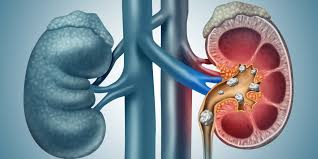
Urinary problems can be confusing because several different conditions can produce similar symptoms. A burning sensation while urinating, frequent trips to the bathroom, lower abdominal discomfort, or changes in urine may be caused by a urinary tract infection, a kidney stone, a prostate problem, or another urinary condition. Trying to identify the cause based only on symptoms can therefore be difficult.
A urologist evaluates problems involving the kidneys, ureters, bladder, urethra, and male reproductive system. If symptoms continue, become severe, or keep returning, consulting a best urologist in Ahmedabad for a proper evaluation is more useful than repeatedly treating the symptoms at home.
How Can You Tell the Difference Between a Kidney Stone, Prostate Problem and UTI?
Although these conditions affect different parts of the urinary system, some symptoms overlap.
Kidney stones are hard deposits that form when minerals and salts in urine crystallize. A small stone may pass without causing noticeable symptoms, while a larger or moving stone can cause intense pain in the side or back that may move toward the lower abdomen or groin. Blood in the urine, nausea, vomiting, frequent urination, and discomfort while passing urine can also occur.
A urinary tract infection, commonly called a UTI, happens when microorganisms infect part of the urinary tract. Burning while urinating, an urgent or frequent need to urinate, lower abdominal discomfort, and changes in urine can occur. When infection involves the upper urinary tract, symptoms can become more serious and may include fever, chills, back or side pain, nausea, or vomiting.
Prostate-related urinary symptoms are more common in men as they get older. Benign prostate enlargement can make it difficult to start urinating, produce a weak or interrupted stream, cause frequent nighttime urination, or leave a feeling that the bladder has not emptied completely. These symptoms can develop gradually, so they are sometimes dismissed as a normal part of aging. Current urological guidance emphasizes proper assessment of bothersome lower urinary tract symptoms rather than simply accepting them as inevitable.
What Are the Warning Signs of a Kidney Stone?
Kidney stone pain can be one of the most noticeable urinary symptoms. It may begin suddenly and fluctuate in intensity as the stone moves through the urinary tract. Some people experience sharp pain in the side or back that travels toward the abdomen or groin.
Blood in the urine can also occur. Some people may notice pink, red, or brown urine, while microscopic blood may only be detected through testing. Nausea, vomiting, urinary urgency, or discomfort during urination can accompany a stone.
However, pain is not the only reason to seek medical attention. A stone can sometimes block urine flow, and an obstructed urinary tract combined with infection can become a serious medical problem. Fever or chills alongside suspected stone symptoms should therefore not be ignored. The European Association of Urology recommends immediate evaluation in situations such as fever or when there is concern about an obstructed urinary system.
Diagnosis may involve a medical history, physical examination, urine testing, blood tests, ultrasound, or other imaging depending on the situation. Treatment is not identical for every stone. Its size, location, symptoms, obstruction, infection, and the patient’s overall health all influence the appropriate approach.
When Could Burning Urination Be a UTI?
Burning or stinging while urinating is commonly associated with a UTI, particularly when it occurs with frequent urination or a strong urge to urinate. You may feel that you need to go repeatedly even when only a small amount of urine is passed.
Urine may also become cloudy or develop an unusual smell, although these changes alone do not prove that an infection is present. Some people experience discomfort in the lower abdomen as well.
The important point is that burning urination does not automatically mean you have a simple UTI. Kidney stones, prostate conditions, urethral problems, and other causes can produce similar symptoms. A proper assessment can help determine whether an infection is actually present and whether treatment is needed.
Repeated urinary infections also deserve attention. If infections keep coming back, your doctor may look for an underlying reason rather than treating each episode as an isolated problem.
What Prostate Symptoms Should Men Take Seriously?
Changes in urination are common reasons for men to consult a urologist. An enlarged prostate can press against the urethra and affect the normal flow of urine. Symptoms may include difficulty starting urination, a weak stream, stopping and starting while urinating, frequent nighttime urination, urgency, or incomplete bladder emptying.
These symptoms do not automatically mean prostate cancer. Benign prostate enlargement is a non-cancerous condition and is a common cause of lower urinary tract symptoms. Nevertheless, persistent urinary changes should be evaluated because several prostate and urinary conditions can produce similar symptoms.
Men should also seek medical attention if they suddenly become unable to pass urine. Acute urinary retention can require urgent treatment, particularly when the bladder becomes painfully distended.
When Should You See a Urologist?
You do not need to wait until urinary symptoms become severe before consulting a specialist. Persistent burning, repeated UTIs, blood in the urine, recurring kidney stones, difficulty passing urine, a weak urinary stream, or ongoing pelvic or flank pain are all reasonable reasons to seek medical evaluation.
A urologist can determine whether the symptoms are coming from the kidneys, bladder, ureters, prostate, or another part of the urinary system. Depending on the suspected condition, evaluation may include urine tests, blood tests, ultrasound, CT imaging, prostate assessment, or other investigations.
For people looking for the best urologist in Ahmedabad, it is sensible to consider not only a doctor’s experience but also whether the hospital has appropriate diagnostic facilities and access to different treatment options. Urological care can range from medication and observation to minimally invasive procedures when required.
When Is Urinary Pain an Emergency?
Some urinary symptoms should not be managed by waiting for a routine appointment.
Severe or rapidly worsening side or abdominal pain, fever and chills, repeated vomiting, inability to urinate, significant blood in the urine, or severe pain combined with suspected urinary obstruction can require urgent medical attention.
This is particularly important when a kidney stone may be blocking urine flow. Infection behind an obstruction can become dangerous and needs prompt assessment.
Similarly, a person who cannot urinate at all should seek immediate medical care rather than waiting for the problem to resolve on its own.
What Happens When You Visit a Urology Specialist?
Your appointment will generally begin with questions about your symptoms, when they started, how often they occur, previous urinary problems, medications, medical history, and any relevant family history.
The doctor may then recommend tests based on your symptoms rather than automatically ordering every possible investigation. A urine test can help look for infection or blood, while imaging can help identify stones or urinary obstruction. Men with prostate-related symptoms may require a more specific evaluation to understand the cause of their urinary difficulties.
Treatment depends on the diagnosis. Some kidney stones can be monitored or managed with conservative treatment, while larger or problematic stones may require procedures such as ureteroscopy or other minimally invasive approaches. Devasya Hospital’s urology department describes treatments including RIRS, PCNL, Mini PCNL, and ureteroscopy for appropriate kidney stone cases.
The important thing is not to assume that one treatment is suitable for everyone. The right option depends on the individual case.
Why Is Choosing the Right Hospital Important for Urological Problems?
Urological conditions can sometimes require more than a consultation. Patients may need laboratory testing, imaging, medication, minimally invasive procedures, surgery, or follow-up care depending on the diagnosis.
For someone searching for the best hospitals in ahmedabad, having several medical specialties available can be useful when urinary symptoms occur alongside other health concerns. A multispecialty environment may also help coordinate care when a patient requires input from another specialist.
Devasya Hospital provides urology services for conditions involving the kidneys, bladder, urinary tract, and prostate. Its urology department covers conditions including kidney stones, prostate problems, bladder stones, urinary infections, and other urological disorders.
If you are comparing options for the best hospital in Ahmedabad for urology, look beyond promotional claims. Consider the qualifications and experience of the treating team, diagnostic support, available treatment methods, hospital facilities, emergency support, and the quality of follow-up care.
Frequently Asked Questions
How do I know whether my pain is from a kidney stone or a UTI?
Kidney stones often cause sharp pain in the side or back that may move toward the abdomen or groin, while UTIs more commonly cause burning urination, urgency, and frequent urination. However, symptoms can overlap, and a urine test or imaging may be needed to identify the actual cause.
Can a UTI cause kidney pain?
Yes. An infection that involves the upper urinary tract can cause pain in the back or side and may be accompanied by fever, chills, nausea, or vomiting. These symptoms require medical attention because an upper urinary infection can be more serious than a simple bladder infection.
Are prostate problems always caused by prostate cancer?
No. Benign prostate enlargement is a common non-cancerous cause of urinary symptoms in older men. However, persistent changes in urination should still be evaluated because different prostate and urinary conditions can produce similar symptoms.
Can a small kidney stone pass without treatment?
Some smaller stones can pass naturally, but whether observation is appropriate depends on factors such as the stone’s size and location, symptoms, obstruction, infection, and the person’s overall health. Medical evaluation can help determine whether waiting for spontaneous passage is safe.
When should I see a urologist for urinary problems?
Consider seeing a urologist if you have persistent or recurring urinary symptoms, blood in the urine, repeated UTIs, kidney stones, difficulty urinating, a weak urinary stream, incomplete bladder emptying, or ongoing pelvic, back, or side pain. Seek urgent care for severe pain, fever with suspected urinary obstruction, inability to urinate, or other rapidly worsening symptoms.
Conclusion
Kidney stones, UTIs, and prostate problems can look similar at first, but they are not the same condition and should not always be treated in the same way. Paying attention to persistent symptoms and getting the right diagnosis can help prevent complications and avoid unnecessary treatment. If urinary symptoms are recurring or interfering with everyday life, consulting a qualified urology specialist is a sensible next step rather than continuing to ignore them.