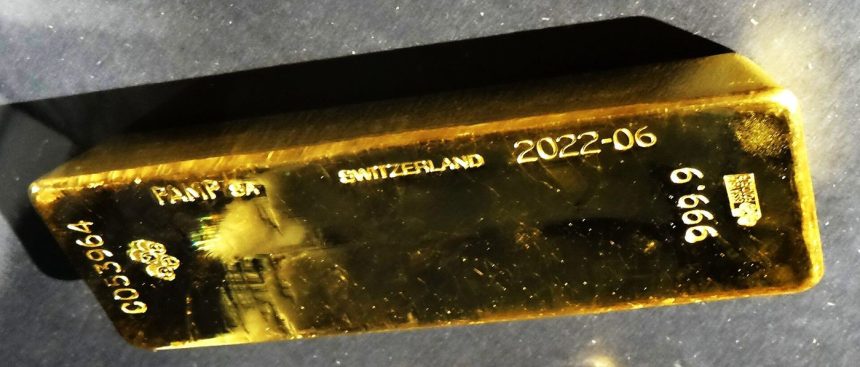
Gold fell below 3,800 dollars an ounce on 18 November 2026, its lowest level since September 2025, as expectations of further interest rate rises pushed the dollar higher. Spot gold dropped 1.9 percent to 3,777.83 dollars an ounce, while gold futures for December delivery fell 2.2 percent to 3,779.50 dollars. Silver fell about 3 percent to around 46 dollars an ounce, its lowest since late October 2025, after touching a record high of 121.67 dollars in January. Platinum dropped 1.8 percent to 1,403.49 dollars an ounce and palladium fell 2 percent to 951.83 dollars. The slide wiped more than 500 billion dollars from the combined value of the gold and silver markets. Gold is now down about 31 percent from its January record of around 5,598 dollars an ounce, with October delivering its steepest monthly decline since 2008, and silver is down nearly 62 percent from its January peak.
What the Evidence Shows
The sell-off has been driven by a stronger dollar and rising Treasury yields, which raise the cost of holding metal that pays no income. The dollar reached a 19-month high as traders priced in a December rate rise from the Federal Reserve, with CME FedWatch assigning a 95.7 percent probability to a quarter-point move. A slide in technology shares has also forced some investors to sell gold to raise cash, so the metal has not behaved as a safe haven. Copper fell 1.5 percent to a five-month low and aluminium dropped 2 percent to its lowest level of 2026. The Silver Institute projects a sixth consecutive annual silver deficit of about 35 million ounces, yet the metal keeps falling as both investment and industrial demand fade. Technical indicators show gold deeply oversold, but analysts warn that a close below 3,700 dollars could open the way to the 3,500 to 3,600 dollar zone. Reporting and analysis from sources such as International Monetary Fund track the same developments, and specialists following the slide in gold prices say the direction is now consistent across independent lines of evidence.
The Wider Context
The wider context is a financial system repricing risk after a long era of cheap money. Decisions shaped by the slide in gold prices are being made under closer supervisory attention, with stress tests and disclosure rules that assume conditions can worsen quickly. Institutions that planned for the benign case are adjusting in public, which is uncomfortable and healthy in equal measure.
What Happens Next
What happens next with the slide in gold prices will be visible first in the data that professionals watch weekly: flows, spreads and the terms on new deals. Participants who spoke for this article expect a period of adjustment rather than drama, with the biggest effects landing on those who assumed the old conditions were permanent. Planning, as ever, is the cheapest hedge. You can follow related developments in our coverage of finance.
There is a practical lesson in all of this for readers deciding what to do today. Start with the verified facts, be wary of anyone promising certainty, and prefer reversible steps while the evidence is still developing. Circumstances differ by country, income and personal situation, so general guidance should always be weighed against your own context before you act on it in any significant or lasting way.