
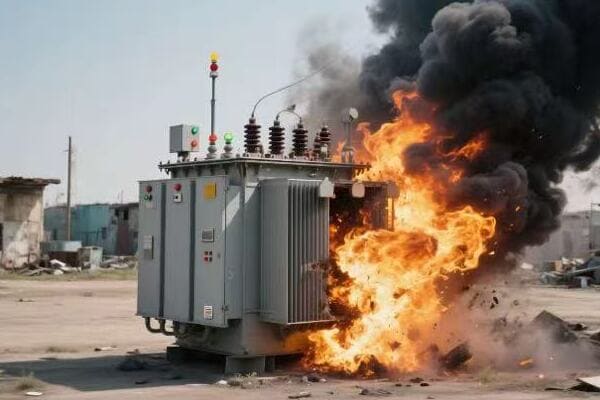
Power transformers play an important role in maintaining a stable electricity supply across industrial facilities, commercial buildings, infrastructure projects and utility networks. However, even well-designed equipment can develop faults over time when exposed to excessive loads, environmental stress or inadequate maintenance. For businesses in the UAE, an unexpected transformer failure can result in production interruptions, equipment damage and expensive operational delays. Understanding these risks helps organisations make informed decisions when working with experienced power transformer suppliers and planning long-term equipment maintenance.
The UAE presents particular operating challenges for electrical equipment. High ambient temperatures, airborne dust, humidity in coastal areas and demanding electricity requirements can all influence transformer performance. Although transformers are designed to operate under specified environmental and electrical conditions, continuous exposure to unfavourable conditions can accelerate component deterioration.
So, what actually causes power transformers to fail, and what can businesses do to reduce the risk? Let’s explore the most common reasons.
What Are the Main Causes of Power Transformer Failures?
Transformer failures rarely have just one explanation. In many situations, multiple factors contribute to the problem over time. A cooling issue, for example, may increase operating temperatures, accelerate insulation deterioration and eventually lead to an internal electrical fault.
Understanding the following causes can help maintenance teams identify potential problems before they develop into major equipment failures.
1. Excessive Operating Temperatures
Overheating is one of the most important factors affecting transformer reliability. When a transformer operates above its recommended temperature limits for extended periods, the insulation materials surrounding its windings begin to deteriorate more rapidly.
This is particularly relevant in the UAE, where outdoor temperatures can remain extremely high during summer. A transformer installed in an exposed location may experience additional thermal stress, especially when it operates continuously under heavy electrical loads.
Cooling systems, including radiators, fans and oil circulation pumps, help maintain suitable operating temperatures. If these components become damaged, blocked or inefficient, the transformer may struggle to release excess heat.
Regular temperature monitoring and inspection of cooling equipment can help identify problems before they affect the transformer’s internal components.
2. Insulation Deterioration
Electrical insulation separates conducting components and prevents unwanted current flow. In oil-filled transformers, insulation paper and insulating oil work together to protect the windings and maintain electrical strength.
Over time, exposure to heat, electrical stress and chemical reactions gradually weakens these materials. Once the insulation loses its effectiveness, electrical discharges or short circuits can develop inside the transformer.
Ageing is a natural process, but poor operating conditions can accelerate it considerably. Excessive heat and contamination are particularly damaging because they reduce the ability of insulation materials to withstand electrical stress.
Insulation resistance testing, oil quality analysis and other condition assessment methods can help maintenance teams understand the condition of the insulation system.
3. Moisture and Insulating Oil Contamination
Moisture is another major threat to transformer reliability. Water can enter through damaged seals, leaking gaskets, poorly maintained breathers or exposure to humid environmental conditions.
Once moisture reaches the insulation system, it can reduce the dielectric strength of insulating oil and accelerate the deterioration of paper insulation. This increases the possibility of internal electrical faults.
In the UAE, this issue deserves particular attention in coastal and humid locations, where environmental conditions can contribute to moisture-related problems.
Insulating oil should be checked periodically for moisture content, dielectric strength, acidity and other relevant quality indicators. For oil-filled transformers, dissolved gas analysis (DGA) can also provide useful information about developing internal faults.
4. Continuous Overloading
Transformers are designed to handle specific electrical loads. When demand regularly exceeds the equipment’s rated capacity, the windings generate additional heat, placing greater stress on the insulation system.
Industrial facilities, manufacturing plants and large commercial developments may experience changing electricity requirements as production increases or additional equipment is installed.
Without proper load assessment, an existing transformer may gradually become unsuitable for the facility’s actual power requirements.
Businesses should monitor load conditions, review demand patterns and ensure that transformer capacity is appropriate for current and expected operating requirements. Any emergency loading should follow applicable equipment ratings and manufacturer guidance rather than being treated as a permanent operating condition.
5. Short Circuits and Electrical Surges
Short circuits can generate extremely high currents within an electrical system. These currents create powerful mechanical forces that can damage transformer windings, weaken insulation and affect internal structural components.
Electrical surges caused by lightning strikes or switching operations can also expose transformer insulation to sudden voltage stresses.
Although protective equipment helps reduce these risks, incorrectly selected or poorly maintained protection systems may not provide the expected level of protection.
Appropriate circuit breakers, protective relays and surge arresters should be selected according to the electrical system design. Regular testing also helps ensure that these devices operate correctly when abnormal conditions occur.
6. Cooling System Malfunctions
A transformer may have a properly designed cooling arrangement, but its effectiveness depends on the condition of individual components.
Blocked radiators, damaged cooling fans, malfunctioning pumps and faulty temperature controls can all reduce heat dissipation. Dust accumulation around cooling surfaces may further restrict airflow, particularly in industrial and outdoor installations.
In hot UAE conditions, these problems can become more serious because the surrounding air is already at an elevated temperature.
Maintenance teams should inspect cooling equipment, check fan and pump operation, clean radiators where appropriate and investigate unusual temperature variations. Keeping the cooling system in good working condition is essential for maintaining reliable operation.
7. On-Load Tap Changer Problems
An on-load tap changer (OLTC) allows a transformer to adjust its voltage ratio while remaining connected to the electrical supply. It helps maintain suitable output voltage when system conditions or load requirements change.
However, its mechanical contacts and switching components experience wear through repeated operation. Contact erosion, poor lubrication, electrical arcing and oil contamination can gradually affect its performance.
If these problems remain unnoticed, the tap changer may develop operating faults or cause further damage to associated components.
Periodic inspection, contact condition assessment and maintenance according to manufacturer recommendations can help reduce the risk of OLTC-related failures.
8. Poor Electrical Connections
Loose connections, damaged terminals and deteriorated contact surfaces can create resistance at electrical joints. This resistance produces localised heating, which may damage nearby insulation and surrounding components.
In industrial environments, vibration, repeated thermal expansion and contraction, and inadequate installation practices can contribute to connection problems.
Thermal imaging is a useful inspection method for identifying unusual temperature differences around accessible electrical connections. However, any corrective work should be carried out by qualified personnel using appropriate safety procedures.
9. Inadequate Maintenance and Condition Monitoring
Even a high-quality transformer requires regular inspection throughout its operating life. When maintenance is delayed, relatively small problems can develop into serious electrical or mechanical faults.
For example, an oil leak may initially appear minor, but continued loss of insulating oil can affect insulation performance and cooling. Similarly, unusual gas generation may indicate an internal fault that requires further investigation.
A suitable maintenance programme should include visual inspections, oil testing, temperature monitoring, electrical testing and assessment of protective devices.
Modern condition-monitoring systems can also help identify abnormal operating patterns and support maintenance decisions based on the actual condition of the equipment.
10. Manufacturing and Design-Related Defects
Not every transformer failure develops because of operating conditions or maintenance issues. Some problems can originate during the design, material selection or manufacturing stages.
Inadequate insulation clearances, weak mechanical support, poor winding construction and unsuitable component selection can affect long-term reliability.
This is why selecting experienced industrial transformer manufacturers is an important consideration when planning a new installation or replacing existing equipment. Manufacturers with established engineering processes, suitable quality controls and comprehensive testing facilities can help reduce the possibility of defects before equipment reaches the installation site.
For UAE projects, buyers should also consider the site’s voltage requirements, expected loading, ambient temperature, installation conditions and applicable technical specifications before finalising a transformer design.
How Can Businesses Prevent Power Transformer Failures?
Preventing transformer failures requires a combination of appropriate equipment selection, regular maintenance and effective operating practices.
One of the most important steps is establishing a maintenance schedule based on the transformer’s design, age, operating conditions and importance to the facility. A standard inspection routine may not be sufficient for equipment operating under demanding industrial conditions.
Oil-filled transformers should undergo appropriate insulating oil tests, including dissolved gas analysis where required. These tests can help identify developing problems such as overheating, partial discharge and internal arcing.
Businesses should also monitor electrical loading and investigate unusual temperature increases, oil leakage, abnormal noise or unexpected protection alarms. These warning signs should not be ignored, even when the transformer continues to operate normally.
Another important consideration is the availability of suitable spare parts and technical support. Having access to qualified service personnel can help reduce repair delays and improve equipment availability when a fault occurs.
Why Is Choosing the Right Transformer Manufacturer Important?
The reliability of a power transformer depends not only on how it is operated but also on how it is designed and manufactured.
Businesses sourcing transformers for UAE industrial and infrastructure projects should evaluate a manufacturer’s engineering capabilities, quality assurance procedures, testing facilities and experience with different operating requirements.
It is also important to review relevant technical documentation, including routine test reports and applicable type or special test certificates, depending on project specifications.
At Transformer India (TARIL), transformer engineering and manufacturing capabilities support power infrastructure and industrial applications. Selecting the right equipment for a project requires careful consideration of electrical requirements, operating conditions and long-term performance expectations.
A well-designed transformer, supported by appropriate installation and maintenance practices, can help businesses reduce unexpected downtime and maintain a dependable electrical supply.
Frequently Asked Questions
1. What is the most common reason behind power transformer failure?
There is no single cause responsible for every transformer failure. Overheating, insulation deterioration, bushing problems, tap changer faults, moisture contamination and electrical disturbances are among the important failure mechanisms.
2. How does UAE weather affect power transformer performance?
High ambient temperatures can increase thermal stress, while humidity and coastal conditions can contribute to moisture-related deterioration and corrosion. Dust accumulation can also affect cooling efficiency and external insulation performance.
3. Can power transformer failures be detected before they happen?
Many developing faults can be identified through regular inspections and condition-monitoring techniques. Dissolved gas analysis, insulating oil testing, thermal imaging and electrical testing can help detect early warning signs.
4. How often should a power transformer undergo maintenance?
Maintenance frequency depends on transformer design, age, loading conditions, environmental exposure and manufacturer recommendations. Critical equipment operating in demanding environments may require more frequent inspections and condition assessments.
5. How can businesses select a reliable power transformer manufacturer?
Businesses should assess manufacturing experience, engineering capabilities, quality control procedures, testing facilities, technical documentation and the manufacturer’s ability to meet the project’s electrical and environmental requirements.