
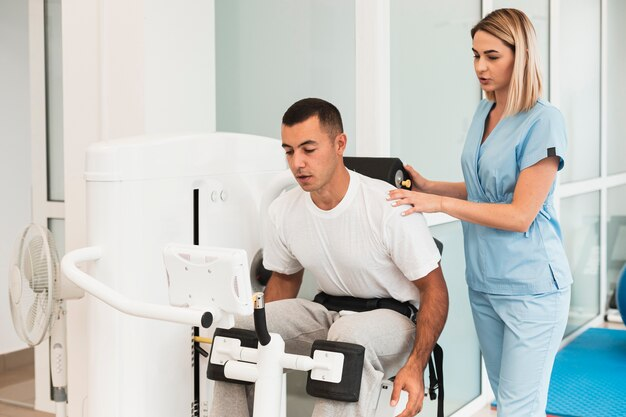
Drug rehabilitation is a critical component of the healthcare landscape, offering individuals the opportunity to overcome substance abuse and achieve long-term recovery. For those seeking drug rehab, understanding the available services and the journey to recovery is essential.
Understanding Drug Rehabilitation
The process of drug rehabilitation involves multiple stages that guide individuals from withdrawal through to recovery. It is designed to address the physical, psychological, and social aspects of addiction, thereby fostering a holistic approach to healing. Rehab programmes are tailored to individual needs, incorporating various therapeutic modalities to ensure effective treatment.
Types of Drug Rehab Services
There are several types of drug rehab services, each catering to different levels of addiction and personal circumstances. Some of the most common types include inpatient rehabilitation, outpatient programmes, and intensive outpatient programmes (IOP).
Inpatient Rehabilitation
Inpatient rehab provides a structured environment where patients reside in the facility for the duration of their treatment. This setting eliminates external temptations and allows individuals to focus entirely on recovery, under the constant supervision of healthcare professionals.
Outpatient Programmes
In contrast, outpatient programmes offer greater flexibility, allowing individuals to maintain certain aspects of their daily lives while attending scheduled treatment sessions. This is particularly beneficial for those with obligations such as work or family.
Intensive Outpatient Programmes (IOP)
IOPs bridge the gap between inpatient and outpatient services. They provide intensive treatment while enabling patients to continue living at home. Such programmes are suitable for those who require more support than traditional outpatient care offers but do not necessarily need the full services of an inpatient facility.
The Role of Therapy in Rehab
Therapy plays a pivotal role in the rehabilitation process. Different therapeutic techniques are employed to assist individuals in understanding their addiction, developing coping mechanisms, and fostering behavioural changes. Behavioural therapy, cognitive-behavioural therapy (CBT), and group therapy are commonly used methods.
Behavioural Therapy
This approach focuses on modifying the negative behaviours associated with addiction, encouraging healthier life practices, and equipping patients with the skills necessary to manage triggers and reduce relapse risk.
Cognitive-Behavioural Therapy (CBT)
CBT helps individuals understand the thoughts and emotions that lead to substance abuse. It provides strategies to challenge and replace these thoughts, fostering improved decision-making and emotional regulation.
Group Therapy
Group therapy offers a supportive community for individuals in recovery. It provides a platform for sharing experiences and building social networks that can be essential for long-term sobriety.
Importance of Aftercare
The journey to recovery does not end with the completion of a rehab programme. Aftercare is a crucial component, offering ongoing support and strategies to prevent relapse. This may include follow-up appointments, continued therapy, and support groups.
Support Groups
Support groups, such as Narcotics Anonymous, provide a community of understanding, where individuals can share their recovery experiences and gain strength from the collective.
Continuing Therapy
Ongoing therapy ensures that individuals remain vigilant in their recovery process, addressing any emerging challenges or barriers that may arise post-rehabilitation.
Relapse Prevention
Aftercare programmes focus on relapse prevention by teaching coping strategies for managing stress and identifying potential triggers. This proactive approach significantly increases the chances of sustained recovery.
Conclusion
Effective drug rehabilitation requires a comprehensive approach that includes a range of treatment modalities, therapeutic interventions, and robust aftercare. By understanding the landscape of recovery services, individuals can make informed decisions and initiate their journey to sobriety with confidence.