In the highly competitive world of modern business, providing a comfortable environment for clients and employees is essential. One of the cornerstone solutions to achieving this is through commercial aircon installation. This ensures not only a pleasant working atmosphere but also boosts productivity and customer satisfaction.
Understanding Commercial Air Conditioning
Commercial air conditioning systems are fundamentally different from residential units, primarily due to the size and complexity of the spaces they need to cool. These systems must efficiently manage temperature across expansive areas, maintain air quality, and consume energy optimally to keep operational costs down.
Key Considerations for Installation
When installing a commercial aircon system, several factors need careful consideration to tailor the solution to the specific needs of a business environment. The primary considerations include the size of the space, the number of rooms, the building’s orientation, and occupancy levels. Understanding these elements is crucial for selecting the most efficient and effective system.
The Importance of Proper Sizing
One of the most critical elements of commercial aircon installation is ensuring the unit is properly sized for the business premises. An undersized system will struggle to maintain desired temperatures, leading to excessive wear and high energy bills. Conversely, an oversized system can lead to higher initial costs and inefficient operation.
Energy Efficiency and Sustainability
Modern businesses increasingly focus on sustainability, and this is reflected in their choice of air conditioning systems. Opting for energy-efficient models not only reduces environmental impact but also minimizes long-term energy expenditures. High-efficiency systems often qualify for government incentives, aiding businesses in offsetting upgrade costs.
Types of Commercial Air Conditioning Systems
There are various types of commercial air conditioning systems available, each suited to different applications. Common types include split systems, packaged systems, and ducted systems. The choice of system will depend on factors such as the building’s structure, the zones requiring cooling, and budgetary constraints.
Split Systems
Split systems are ideal for businesses looking to control the climate in specific areas. They are easier to install and maintain, making them a popular choice for smaller and medium-sized commercial spaces.
Packaged Systems
Packaged air conditioning systems are typically used for larger commercial spaces. They consolidate the components into a single unit, making them suitable for rooftop installations and freeing up internal space.
Ducted Systems
Ducted systems offer comprehensive cooling throughout an office building. These systems are hidden and provide a clean, aesthetic solution, ensuring uniform temperature control across multiple rooms or zones.
Installation Process
The installation process for commercial air conditioning involves multiple stages, each requiring precision and expertise. Initially, a site survey assesses the property’s specific needs, followed by equipment selection based on the survey results. The installation itself involves positioning units, installing ductwork, and electrical connections, culminating in system testing and balancing.
The Role of Professional Installers
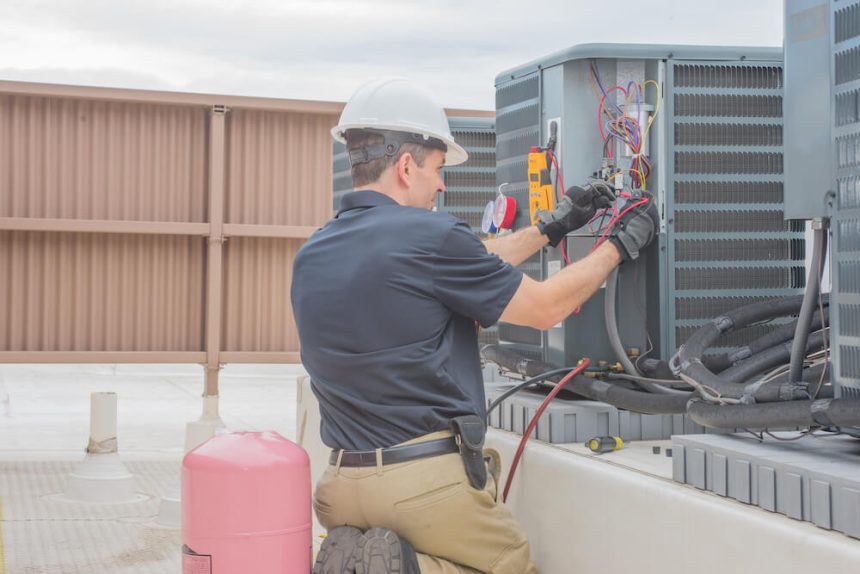
Professional installation is a must for commercial air conditioning systems. Skilled technicians possess the know-how to navigate complex installations, ensuring systems are not only operational but optimised for peak efficiency and longevity. This expertise also ensures compliance with all relevant health and safety regulations.
Maintenance Considerations
Regular maintenance is vital to preserving the efficiency and lifespan of a commercial aircon system. Routine checks involve inspecting filters, coils, and ductwork, ensuring the system runs smoothly and prevents costly breakdowns.
Cost Implications
The cost of commercial aircon installation can vary widely depending on the system type and the complexity of the install. While initial costs can be significant, the investment pays off through improved client experiences, enhanced employee productivity, and lower energy costs over the system’s lifespan.
Conclusion
Investing in intelligently designed commercial air conditioning solutions is crucial for any business looking to improve workplace conditions and energy efficiency. By opting for the right system and ensuring professional installation, companies can achieve a comfortable environment that supports their operational goals.