In Australia, the issue of drink-driving has long been a significant concern for law enforcement and road safety authorities. One effective measure to combat this issue is the use of alcohol ignition interlock devices. These devices aim to minimise drink-driving incidents by preventing vehicles from starting if the driver’s blood alcohol concentration (BAC) exceeds a pre-set limit.
Understanding Alcohol Ignition Interlock Devices
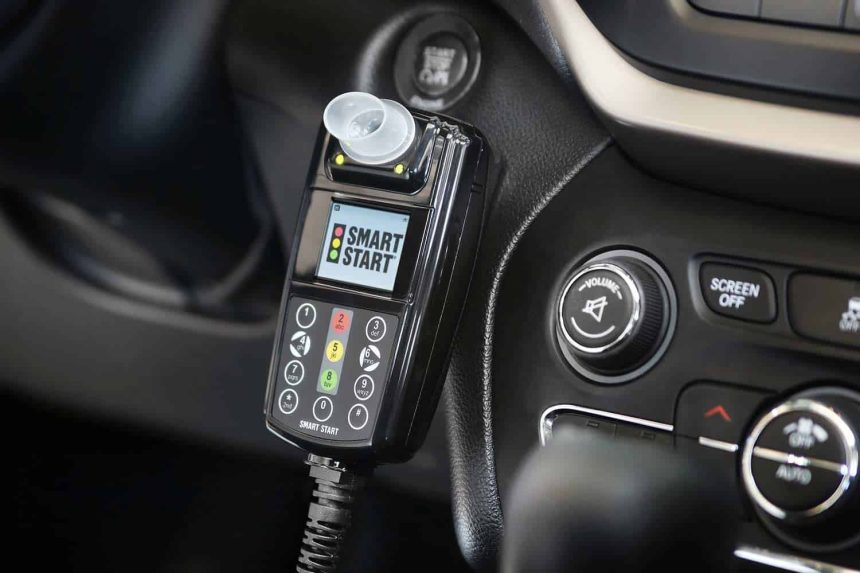
An alcohol ignition interlock device is essentially a breathalyser connected to a vehicle’s ignition system. The driver must provide a breath sample that determines their BAC, and only if it is below a specified level will the vehicle be allowed to start. This technology is critical in ensuring that drivers who have been drinking do not pose a threat on the roads.
The Mechanism Behind Interlock Devices
The operational framework of interlock devices is straightforward yet effective. These devices require drivers to blow into a mouthpiece, and the breath sample is analysed on the spot. If the detected BAC is above the legal or pre-set threshold, the system disables the engine, thereby preventing operation of the vehicle.
Legal Mandates and Applications
In Australia, the implementation of alcohol ignition interlock programs is typically mandated by judicial systems for offenders convicted of drink-driving. These programs serve as both a preventive measure and a means of rehabilitation, encouraging drivers to practice safer habits.
Reducing Recidivism Rates
Studies have shown that the installation of interlock devices significantly reduces the rates of recidivism for drink-driving offences. By directly intervening in the ability of intoxicated individuals to operate a vehicle, these devices serve a crucial role in public safety.
Enhancing Public Awareness and Education
Part of the success of alcohol ignition interlock programs lies in public awareness and education. Information campaigns are essential to inform both potential and existing drivers about the importance of these devices and their role in maintaining safer roads.
Integration with Other Safety Measures
Alcohol ignition interlocks are part of a broader strategy to combat drink-driving, which includes stricter penalties, roadside breath tests, and increased policing. Together, these efforts create a robust framework aimed at reducing alcohol-related accidents.
Technological Advancements
Over the years, advancements in technology have significantly improved the reliability and user-friendliness of interlock devices. These improvements ensure that the devices are effective in preventing drink-driving without being overly obtrusive to law-abiding motorists.
Challenges and Considerations
While the benefits of interlock devices are clear, there are challenges that need consideration. These include potential tampering, false readings, and the need for regular maintenance. Addressing these issues is vital for the continued efficacy of the program.
Economic Aspects of Interlock Programs
The economic impact of alcohol ignition interlock systems cannot be overlooked. Costs associated with implementation and monitoring are generally offset by the substantial reduction in the social and economic costs of alcohol-related accidents.
Legal and Ethical Considerations
It is crucial to address the legal and ethical aspects of mandating interlock devices. Ensuring privacy and upholding the rights of individuals while maintaining public safety is a balancing act that policymakers must navigate carefully.
Future Directions for Interlock Technology
The future of alcohol ignition interlock devices seems promising, with ongoing research directed at increasing their efficacy and accessibility. Innovating these systems will play a significant role in their adoption worldwide.
Global Perspectives
Countries across the globe have adopted similar measures, and international collaboration in developing best practices for interlock systems could enhance their effectiveness. Learning from each other’s experiences can provide insights into improving local implementations.
Contributing to Zero Alcohol-Related Road Fatalities
A noteworthy goal for many road safety organisations is achieving zero alcohol-related road fatalities. Alcohol ignition interlock devices are pivotal in reaching this objective by ensuring only sober individuals are allowed to drive.
Conclusion
The deployment of alcohol ignition interlock devices in Australia represents a significant stride towards enhancing road safety. These devices, supported by effective legislation and public education, are invaluable in reducing the incidence of drink-driving and its associated hazards.