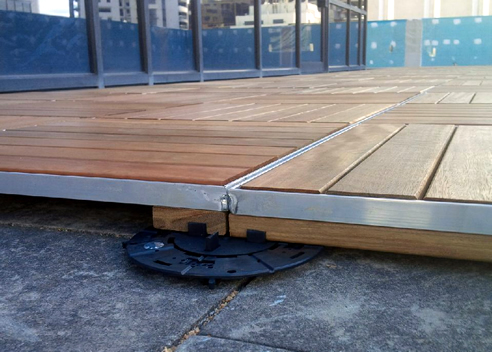
In modern architectural and landscape design, making the most out of every square metre of space is vital. One solution that has gained popularity is the use of adjustable pedestals. These versatile supports allow the creation of elevated decking on uneven surfaces, providing a durable base for various flooring materials while allowing easy access to underlying services.
Understanding Adjustable Pedestals
Adjustable pedestals are concrete, plastic, or rubber supports that are installed beneath decks or flooring surfaces. These devices allow for consistent height adjustments, enabling a smooth and level decking or paving surface despite any subsurface irregularities. They have become an essential component in both residential and commercial outdoor designs due to their flexibility and ease of use.
Applications of Adjustable Pedestals
Adjustable pedestals offer a wide array of applications in landscaping and architecture. They are ideal for use in rooftop gardens, terraces, walkways, and balconies. By providing a stable and adjustable base, they can support decks, tiles, and pavers without the need for traditional fixings that might damage waterproof membrane layers underneath.
Benefits of Using Adjustable Pedestals
The benefits of using adjustable pedestals are substantial. Not only do they allow for precise height adjustments, but they also promote effective drainage, thus preventing water accumulation on the surface. Their installation is straightforward, which reduces construction costs and time. Additionally, by using these pedestals, there is no need for expensive and complex substructure modifications.
Flexibility in Design
With adjustable pedestals, architects and builders can achieve an elevated landscape aesthetic without compromising functionality. These devices are engineered to support various flooring designs, including wood, concrete, stone, and composite materials, allowing designers to explore creative options that meet client specifications while ensuring longevity and stability.
Durability and Performance
Manufactured to withstand harsh weather conditions and ongoing pressure, adjustable pedestals are built from durable materials. They resist degradation from factors such as UV exposure, extreme temperatures, and moisture, ensuring long-lasting performance and reducing the need for frequent replacements or repairs.
Installation Process
The installation of adjustable pedestals is a relatively simple process. Initially, a survey of the area ensures the surface is ideal for the intended project. The pedestals are then placed in strategic locations, adjusted to the required height, and secured to the flooring material. This flexible installation method makes them an attractive choice for many projects.
Environmental Impact
Adjustable pedestals offer environmental benefits as well. Their design reduces material waste and promotes the use of green building methods. By avoiding complex fixings, installers can protect existing substrates and reduce the environmental footprint of new constructions.
Cost-effectiveness
Another key advantage of adjustable pedestals is their cost-effectiveness. They eliminate the need for traditional draining solutions and substantial substructure, lowering both material costs and labour. This makes them a preferable choice for developers looking to cut costs without compromising on quality.
Versatility Across Projects
From residential to large-scale commercial developments, the versatility of adjustable pedestals makes them suitable for a variety of projects. They cater to the needs of builders seeking to create adaptable and robust environments that meet modern design standards.
Conclusion
Adjustable pedestals represent a significant advancement in outdoor living and construction techniques. As more designers recognise their advantages, the adoption of these versatile supports continues to rise. Whether for a sleek rooftop terrace or a charming garden retreat, adjustable pedestals by Elmich Australia provide the necessary foundation to maximise any outdoor space effectively.