
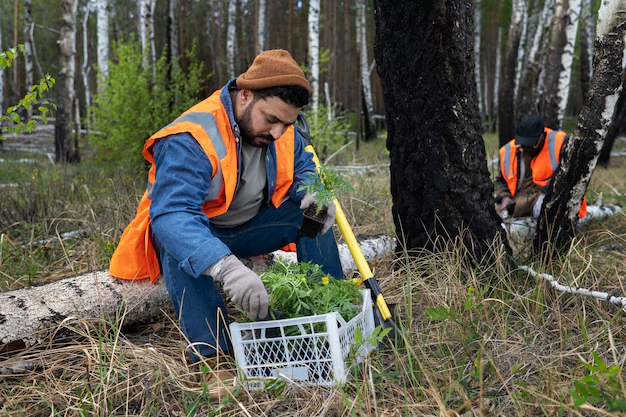
Effective land care is a critical component in managing extensive vegetation, and choosing the right vegetation management equipment is essential for maintaining the health and aesthetics of the land. With advancements in technology, there are various tools available in the market designed to tackle different aspects of vegetation management, from mowing and mulching to clearing and pruning.
The Importance of Vegetation Management Equipment
Vegetation management equipment plays a pivotal role in the upkeep of landscapes, whether for agricultural, forestry, or recreational purposes. These tools help in controlling unwanted plant growth, promoting healthy ecosystems, and ensuring safety around areas such as roads and power lines. With adequate equipment, land managers can efficiently maintain vast areas with minimal labour and time.
Types of Vegetation Management Equipment
There are several types of vegetation management equipment, each serving distinct purposes. Understanding these types can help land managers choose the most suitable tools for their specific needs.
Mowers and Mulchers
Mowers and mulchers are versatile tools used primarily for cutting and chopping vegetation. They are vital for maintaining even grass height, controlling weeds, and preparing soil for new plantings. Mulchers add the additional benefit of returning organic matter to the soil, enhancing soil fertility.
Brush Cutters
Brush cutters are robust tools designed to tackle thicker brush and undergrowth that regular mowers cannot handle. They are ideal for cutting through dense vegetation and are commonly used in forestry and farm management.
Hedge Trimmers
Hedge trimmers are essential for maintaining neat and well-shaped hedges and shrubs. They come in various sizes and configurations, from handheld devices to larger, motorized versions, allowing for precision trimming of different types of plants.
Factors to Consider When Choosing Equipment
When purchasing vegetation management equipment, several factors must be considered to ensure the right tools are acquired for specific land management tasks.
Types of Vegetation
Different types of vegetation require different approaches. For instance, thick brush may necessitate a powerful brush cutter, while manicured lawns might only need a reliable mower.
Land Area
The size of the land plays a crucial role in determining the type of equipment needed. Larger areas may require more heavy-duty machinery or equipment with greater coverage capabilities to ensure efficiency.
Budget Constraints
While quality equipment often comes with a higher cost, it is essential to balance the budget with the requirements of the land management tasks. Consideration of long-term value and durability is crucial when assessing costs.
Technological Advancements in Equipment
Recent technological advancements have significantly enhanced the functionality and efficiency of vegetation management equipment. Innovations such as GPS-guided mowers and electric-powered tools are transforming the landscape maintenance industry.
GPS-guided Systems
GPS technology in mowers offers precision and efficiency by providing automated guidance, significantly reducing manual intervention. This innovation ensures consistent cuts and optimises route planning for large areas.
Electric and Battery-powered Tools
With a shift towards eco-friendliness, electric and battery-powered vegetation management tools are becoming increasingly popular. These tools reduce noise pollution and emissions, aligning with responsible environmental practices.
Conclusion
Selecting the right vegetation management equipment is crucial for the effective and efficient maintenance of land. By understanding the types of equipment available and considering specific land care needs and budget, land managers can ensure they are well-equipped to maintain their environments responsibly. With ongoing advancements in technology, the future of vegetation management looks promising, offering more sustainable and efficient solutions for land care professionals.