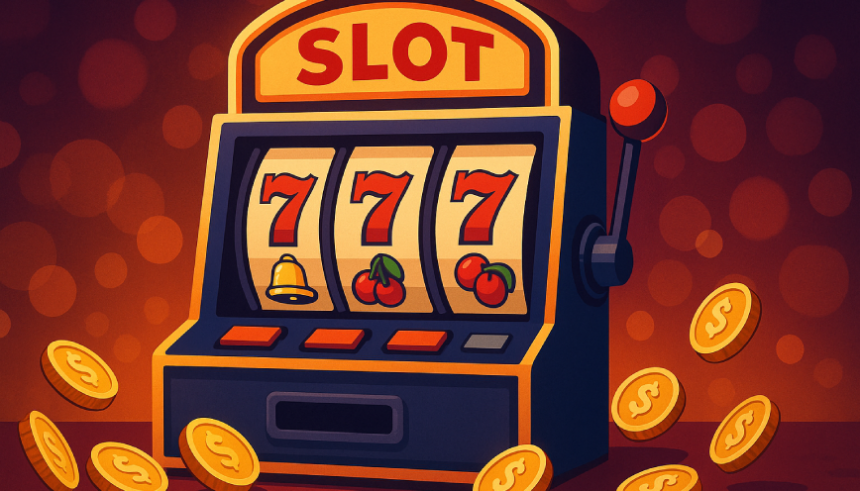
Slot machines may appear simple, but behind the spinning reels lies complex technology that determines outcomes and payouts. Understanding how slots work can help players make informed decisions and enjoy the experience responsibly.
At the heart of every modern slot machine is the Random Number Generator (RNG). This software algorithm continuously generates random sequences of numbers—even when no one is playing. The moment a PG SLOT presses “spin,” the RNG selects a number corresponding to reel positions. This ensures every spin is independent and fair.
Because of RNG technology, there is no way to predict or manipulate outcomes. Past spins do not influence future results. This is why strategies like timing spins or tracking “hot” machines are myths rather than proven methods.
Another key concept is Return to Player (RTP). RTP is the percentage of wagered money a slot is designed to pay back over time. For example, a slot with 96% RTP theoretically returns $96 for every $100 wagered—over millions of spins. It does not guarantee short-term results but gives insight into long-term payout potential.https://pgth.uk.com/
Volatility, also called variance, describes risk level. Low-volatility slots pay smaller wins more frequently, making them ideal for longer play sessions. High-volatility slots offer bigger payouts but less often, appealing to players chasing jackpots.
Paylines are also crucial. Traditional slots had one payline, but modern video slots can feature hundreds or even thousands of ways to win. Some games use “Megaways” or cluster mechanics instead of fixed lines, increasing winning possibilities.
Bonus features enhance gameplay and winning potential. Free spins, multipliers, wild symbols, and mini-games add excitement beyond base spins. These features often contribute significantly to a slot’s RTP.
Progressive slots differ from standard games because part of each bet contributes to a growing jackpot. These jackpots can reach millions but usually come with higher volatility and lower base-game payouts.
Understanding bankroll management is equally important. Setting limits, choosing appropriate bet sizes, and knowing when to stop helps maintain responsible gaming habits.
In essence, slot machines combine mathematics, programming, and entertainment design. RNG ensures fairness, RTP indicates long-term returns, and volatility shapes risk. By understanding these elements, players can choose games that match their preferences and play styles while enjoying slots responsibly.