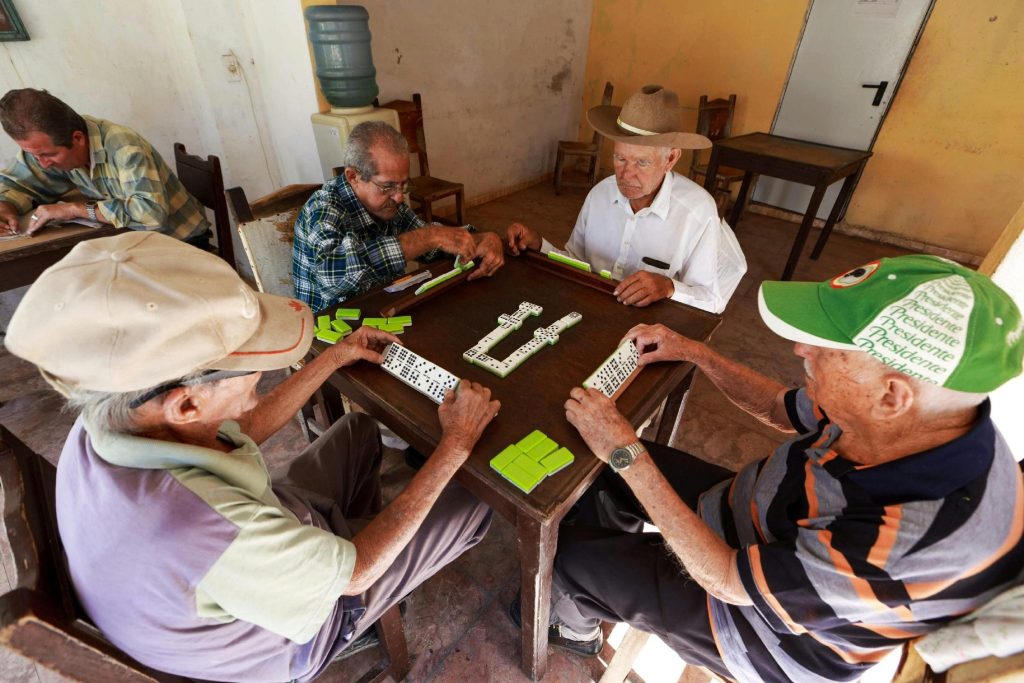
Staying socially connected and physically active plays an essential role in maintaining overall well-being as people age. While daily routines may change over time, the need for interaction, movement, and engagement remains just as important as ever. Finding simple ways to incorporate these elements into everyday life can lead to a more fulfilling and enjoyable experience.
For many seniors, maintaining an active and social lifestyle does not require major changes. Small, consistent efforts can make a meaningful difference in both physical health and emotional wellness. By focusing on approachable activities and supportive environments, it becomes easier to stay connected and engaged.
The Value of Regular Social Interaction
Social connection is a key factor in emotional health, helping to reduce feelings of loneliness and promote a sense of belonging. Regular interaction with friends, family, or peers provides opportunities for conversation, shared experiences, and mutual support. These interactions can significantly improve mood and overall outlook on life.
Staying social does not always mean attending large events or gatherings. Simple activities such as meeting a friend for coffee, participating in group hobbies, or joining community events can create meaningful opportunities for connection. Even brief, consistent interactions can have a positive impact over time.
For seniors living in supportive environments like assisted living in San Antonio, social engagement is often built into daily life through organized activities and shared spaces. These settings make it easier to connect with others and build lasting relationships without the need for extensive planning.
Incorporating Gentle Physical Activity
Physical activity helps maintain strength, mobility, and overall health, but it does not have to be intense to be effective. Gentle exercises, such as walking, stretching, or light yoga, can provide significant benefits while remaining accessible and enjoyable. The goal is to stay consistent rather than push beyond comfort.
Daily movement can easily become part of a routine when approached in a natural way. Activities like gardening, taking short walks, or participating in group fitness classes offer opportunities to stay active without feeling overwhelmed. These forms of movement also create chances for social interaction, combining physical and emotional benefits.
Maintaining mobility supports independence and confidence, making it easier to engage in other aspects of daily life. By prioritizing regular activity, seniors can continue to enjoy a wide range of experiences.
Exploring Hobbies and Interests
Hobbies provide an excellent way to stay mentally engaged while also creating opportunities for social connection. Whether it is art, music, reading, or crafts, these activities offer both enjoyment and a sense of accomplishment. Pursuing interests can bring structure and purpose to each day.
Group-based hobbies can enhance these benefits by introducing a social element. Participating in classes or clubs allows individuals to connect with others who share similar interests. These shared experiences often lead to meaningful friendships and ongoing engagement.
Staying Connected with Family and Friends
Maintaining strong relationships with family and friends is an important part of staying socially active. Regular communication, whether through visits, phone calls, or video chats, helps strengthen these bonds over time. These connections provide emotional support and a sense of continuity.
Planning regular check-ins or gatherings can help ensure that these relationships remain a consistent part of daily life. Even small efforts, such as sharing a meal or having a conversation, contribute to a stronger support system. Staying connected does not require elaborate plans, just consistent effort.
Creating a Routine That Encourages Engagement
Having a daily routine can provide structure and make it easier to incorporate social and physical activities. A consistent schedule helps ensure that these important elements are not overlooked. It also creates a sense of stability and predictability.
Routines can include activities such as morning walks, scheduled hobby time, or regular social outings. These planned moments encourage ongoing participation and make it easier to stay engaged. Over time, these habits become a natural part of daily life.
Embracing Community Opportunities
Community resources offer a wide range of opportunities for seniors to stay active and connected. Local centers, clubs, and programs often provide activities designed specifically for older adults. These environments are welcoming and encourage participation at all levels.
Taking part in community events can introduce new experiences and connections. Whether attending workshops, participating in group outings, or volunteering, these opportunities help create a sense of purpose and belonging. Being part of a community can make a significant difference in overall well-being.
Conclusion
Staying social and active as a senior is both achievable and deeply rewarding when approached with simple, consistent habits. By maintaining connections, incorporating gentle activity, and exploring hobbies, it becomes easier to create a balanced and fulfilling lifestyle. With the support of community and routine, seniors can continue to enjoy meaningful engagement, strong relationships, and a vibrant sense of well-being.