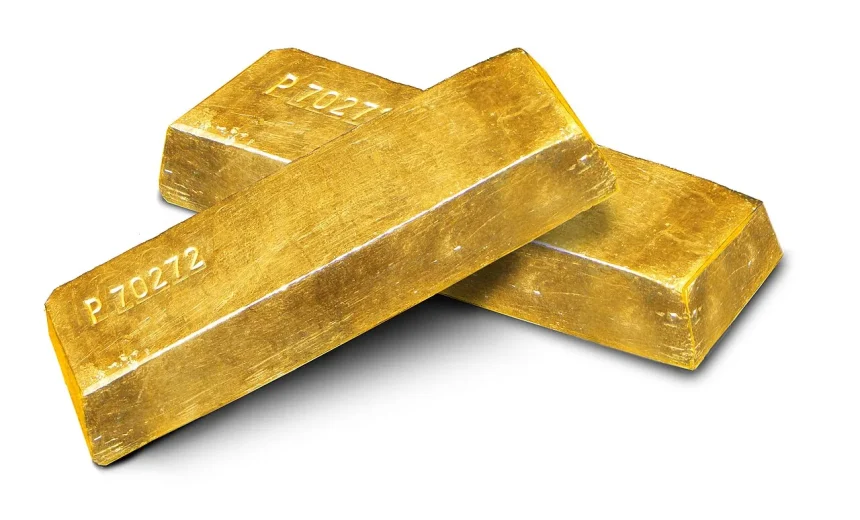
Few financial arguments are as durable as the one over gold. In every period of uncertainty — market turmoil, geopolitical tension, inflation anxiety — the metal draws buyers who call it the ultimate safe haven, and sceptics who call it an unproductive relic. Both camps argue from real evidence, which is why the debate, a staple of the business press, never quite ends. Our business coverage sets out the strongest version of each side.
The supporters’ case
Gold’s defenders start with history: the metal has served as a store of value across empires, currencies and crises, and remains universally acceptable in a way no paper asset is. It carries no counterparty risk — no issuer can default on it — and its supply grows slowly, which protects it from the debasement that unlimited money creation can inflict on cash savings.
Portfolio logic adds a second leg. Gold often zigzags against equities, so a holding can cushion declines elsewhere — the definition of a haven in portfolio terms. Supporters note that central banks, the most conservative buyers on earth, hold and periodically add to gold reserves, treating it as insurance against disorder in the very system they run.
The sceptics’ answer
Critics counter that insurance you cannot price is a story, not a strategy. Gold yields nothing; its long-run return rests entirely on resale to a more anxious buyer. They point to extended periods — sometimes lasting decades in real terms — when holders of gold watched productive assets compound far ahead, and to episodes where gold fell alongside everything else when investors scrambled for cash.
Practical objections follow. Physical metal involves spreads, storage and security; financial proxies involve fees and trust in the provider — reintroducing exactly the institutional dependence gold is meant to escape. Sceptics argue that for most savers, diversified productive assets plus boring cash reserves answer uncertainty more efficiently. The debate is aired regularly in outlets such as BBC Business.
What actually moves the gold price
Between the philosophies sits a mechanism: interest rates. Holding gold costs the yield forgone on cash or bonds, so when real rates fall, gold’s handicap shrinks and buyers multiply; when rates rise, the handicap grows. Layer on crisis demand and central-bank purchasing, and most of the metal’s modern price behaviour is explained without mysticism.
Currency moves matter too — gold is priced globally in dollars, so a weaker dollar mechanically lifts it for many buyers. None of this makes short-term moves predictable; it explains why the haven bid appears when it does.
Holding both ideas at once
The balanced conclusion the business pages keep reaching is proportional: gold can be a rational minority holding for diversification and crisis insurance, and an irrational centrepiece for a growth portfolio. Its haven status is real but conditional — strongest in financial-system stress, weakest as a day-to-day savings vehicle.
For readers, the enduring value of the debate is diagnostic. When gold leads the business agenda, it is telling you uncertainty is the market’s dominant emotion. What you do with that signal depends on your horizon — but ignoring what the metal is signalling is the one position neither camp defends.
The bottom line on gold
Gold will not settle its own debate, because the debate is really about what money is for. Holders who prize survival through disorder and holders who prize growth through decades are both answering honestly — to different questions. The price of gold at any moment is simply the market’s running tally of which question more people are asking.
Strip away the mythology and the disagreement narrows to something testable: how does the metal behave in the specific crisis you fear? For inflation scares and currency wobbles its record is respectable; for liquidity panics, even gold gets sold. Safe haven is therefore a conditional claim, not a property of the metal — and the investors who treat it that way are the ones least likely to be disappointed by it.