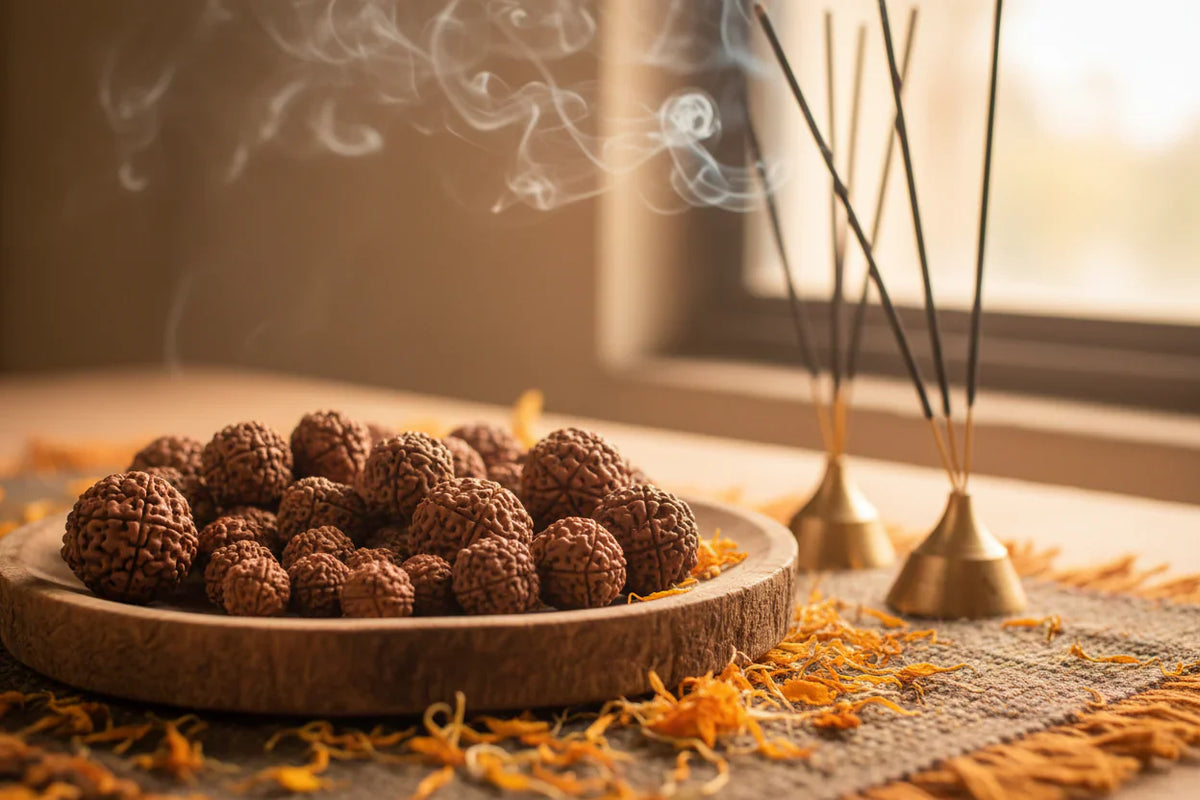
Rudraksha has long held an important place in Indian spiritual traditions, where its natural form and mukhi patterns are linked to meditation, devotion, and personal spiritual practice. These sacred beads are valued not only for their traditional significance but also for their distinctive natural structure and appearance.
As interest in authentic rudraksha beads grows, buyers increasingly look beyond traditional beliefs and consider factors such as natural formation, sourcing, certification, structural quality, and proper preparation. Understanding these aspects helps individuals make more informed choices when selecting Rudraksha based on their spiritual preferences, astrological considerations, and personal requirements.
Traditional Significance And Natural Rudraksha Characteristics
Understanding Rudraksha involves appreciating its spiritual heritage while recognizing the natural features that distinguish genuine beads from imitations.
1. Understanding The Spiritual Heritage Of Rudraksha
Rudraksha has a longstanding place in Indian spiritual traditions and is commonly associated with meditation, prayer, devotion, and spiritual discipline. Different mukhi configurations carry traditional symbolic and astrological associations. Understanding this heritage helps buyers see Rudraksha beyond its physical appearance and choose based on personal beliefs and spiritual practices.
2. Recognizing Natural Mukhi Patterns
Mukhi patterns appear as naturally formed grooves across a Rudraksha bead and help identify different varieties. Buyers can assess a bead by examining the number, continuity, texture, and natural formation of these lines. Looking at multiple physical characteristics rather than one feature provides a more informed initial assessment of its natural structure.
3. Considering Origin And Responsible Sourcing
The origin of Rudraksha can influence its size, shape, texture, and mukhi characteristics. Beads are sourced from regions including Nepal and Indonesia. Understanding geographical origin and sourcing practices increases transparency and helps buyers distinguish naturally sourced products from beads with unclear backgrounds or unsupported authenticity claims.
4. Evaluating Certification And Quality Documentation
Certification and supporting documentation can provide additional assurance when purchasing Rudraksha. Laboratory testing can help verify physical characteristics that appearance alone cannot always confirm. Buyers can review available certificates and product information to understand the bead’s variety and authenticity, creating greater transparency and confidence throughout the purchasing process.
5. Understanding Differences Between Rudraksha Varieties
Rudraksha varieties can differ in mukhi count, size, shape, texture, and traditional associations. Some varieties are commonly available, while others may be rarer and more sought after. Understanding these differences helps buyers consider traditional significance, personal preferences, certification, and expert guidance instead of choosing a bead based solely on appearance.
6. Looking Beyond Simple Authenticity Claims
Authenticity is better assessed through multiple indicators, including natural structure, sourcing information, certification, quality inspection, and transparent product descriptions. Buyers should be cautious of unsupported claims or vague information. Considering several verification factors provides a stronger basis for evaluating Rudraksha and helps reduce the likelihood of purchasing artificial, damaged, or misrepresented beads.
Quality Checks Supporting Confident Rudraksha Selection
A reliable selection process considers physical characteristics, certification, sourcing, traditional relevance, and professional guidance before purchase.
Growing interest in authentic rudraksha beads has encouraged buyers to pay closer attention to verification and product quality. Rather than judging a bead only by its external appearance, consumers can consider its natural grooves, internal structure, documented origin, laboratory certification, and preparation process. Some specialized sellers also provide guidance based on mukhi characteristics, zodiac associations, and individual spiritual preferences. These factors create a more transparent buying experience and help buyers distinguish naturally sourced Rudraksha from imitations. A structured approach is particularly useful when selecting uncommon varieties, where appearance alone may not provide enough information. By combining traditional understanding with quality checks, buyers can make more informed, responsible decisions that align with their expectations.
Selecting Rudraksha For Spiritual And Personal Practices
The right Rudraksha selection can depend on traditional associations, personal intentions, lifestyle preferences, and guidance available during the purchasing process.
1. Matching Mukhi Selection With Traditional Beliefs
Different mukhi varieties have distinct traditional associations and meanings. Individuals may select a bead according to spiritual objectives, astrological considerations, or practitioner guidance. Understanding these traditional differences allows buyers to make informed choices rather than relying only on appearance, popularity, or price when selecting a suitable Rudraksha.
2. Considering Personal Astrological Requirements
Some individuals choose Rudraksha according to zodiac signs or birth-chart considerations. Those interested in astrological selection can consult knowledgeable practitioners for personalized guidance based on relevant birth details. This approach can help narrow suitable mukhi options and ensure the selection reflects individual circumstances rather than generalized recommendations.
3. Maintaining Rudraksha After Purchase
Proper care helps preserve the natural condition and appearance of Rudraksha beads. Gentle cleaning and suitable maintenance are generally preferred over harsh chemicals or aggressive treatments. Buyers should follow specific care instructions, particularly for prepared or energized beads, helping minimize unnecessary wear and maintain their condition during continued spiritual or devotional use.
4. Understanding Traditional Energization Practices
Traditional energization matters to many spiritual practitioners. Some providers prepare Rudraksha through established Vedic rituals or pran-pratishtha practices. These processes belong to spiritual traditions rather than laboratory testing. Understanding this distinction helps buyers appreciate traditional preparation while recognizing that energization and physical authenticity are separate aspects.
5. Choosing Products With Greater Transparency
Transparent sellers provide information about Rudraksha sourcing, mukhi variety, certification, pricing, care, and available guidance. Clear descriptions help buyers understand and compare products confidently. This becomes especially valuable when considering rare or higher-value varieties. Documentation, accessible information, and clear communication can reduce uncertainty and support more informed purchasing decisions.
6. Balancing Price With Quality Standards
Evaluate price alongside authenticity, certification, sourcing, variety, and overall product quality. A low price does not necessarily mean better value when verification is unavailable, while higher pricing should be justified by quality. Comparing multiple factors helps buyers prioritize genuine quality and make purchasing decisions based on overall value rather than cost alone.
Conclusion
Choosing genuine Rudraksha requires a balanced understanding of traditional significance, natural characteristics, sourcing, certification, variety, care, and responsible purchasing practices. Buyers who consider these factors can approach their selection with greater awareness and confidence while respecting the spiritual traditions associated with these sacred beads. Quality verification and transparent information further support informed purchasing decisions.
For individuals looking for original rudraksha at best price in Bangalore, RudraTree offers original and certified Rudraksha supported by its long-standing heritage, direct sourcing approach, authenticity checks, and traditional preparation practices. They offer different mukhi varieties and personalized guidance to help customers choose products that match their spiritual and astrological needs. Their focus on certification, sourcing, and traditional expertise gives buyers a more transparent, dependable experience when choosing genuine Rudraksha.