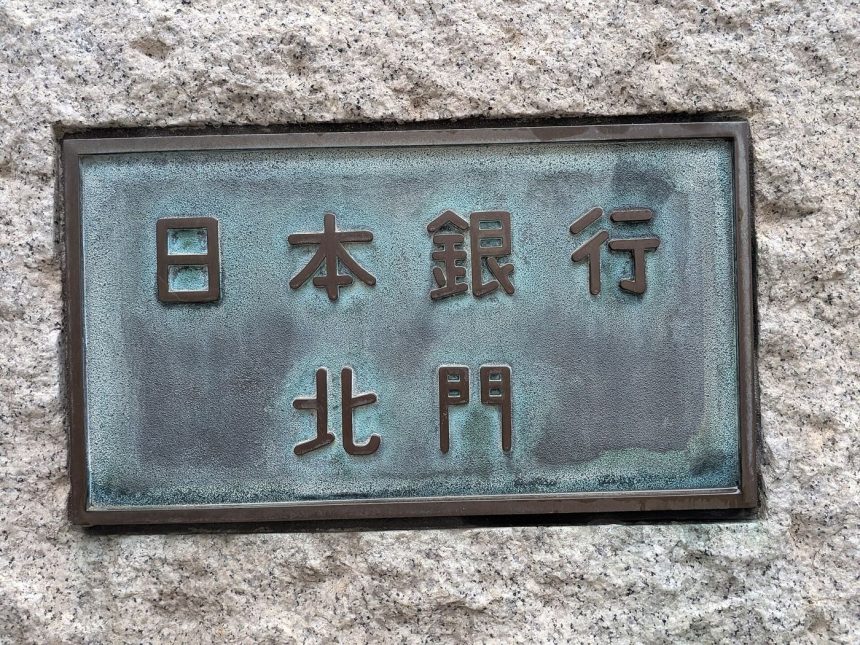
The Bank of Japan has raised interest rates to their highest level in 30 years, taking another step away from the era of near-zero borrowing costs. On 19 December 2025 the bank’s policy board voted unanimously to lift its short-term rate by a quarter point to 0.75 percent, the highest since September 1995 and the second increase of the year after one in January. Governor Kazuo Ueda said the move was justified by strong wage growth and inflation that has stayed above the bank’s 2 percent target for nearly four years. Core inflation held steady in November 2025, still well above target, while the yen’s weakness had added to the case for action. Japan spent decades fighting deflation, when prices fell year after year, and the bank kept rates at or below zero for much of that time. The return of persistent inflation has allowed it to normalise policy, slowly and carefully, in a way that would have seemed impossible only a few years ago.
What the Evidence Shows
Higher rates change the arithmetic for Japanese households and businesses. Savers, who earned almost nothing on deposits for years, finally see a return, while borrowers face dearer mortgages and business loans. A Mizuho Research estimate put the net gain to households at about 0.8 trillion yen a year, or roughly 15,000 yen per household, because Japan’s households hold far more in savings than in debt. The bigger question is what comes next: the bank has signalled more rises are possible if wages and prices keep growing, and markets are watching each meeting for the next step. For the rest of the world, Japan’s slow exit from ultra-cheap money matters because Japanese investors hold vast sums abroad, and higher returns at home could pull some of that money back. Reporting and analysis from sources such as International Monetary Fund track the same developments, and specialists following Bank of Japan rate rise say the direction is now consistent across independent lines of evidence.
The Wider Context
The wider context is a financial system repricing risk after a long era of cheap money. Decisions shaped by Bank of Japan rate rise are being made under closer supervisory attention, with stress tests and disclosure rules that assume conditions can worsen quickly. Institutions that planned for the benign case are adjusting in public, which is uncomfortable and healthy in equal measure.
What Happens Next
What happens next with Bank of Japan rate rise will be visible first in the data that professionals watch weekly: flows, spreads and the terms on new deals. Participants who spoke for this article expect a period of adjustment rather than drama, with the biggest effects landing on those who assumed the old conditions were permanent. Planning, as ever, is the cheapest hedge. You can follow related developments in our coverage of finance.
There is a practical lesson in all of this for readers deciding what to do today. Start with the verified facts, be wary of anyone promising certainty, and prefer reversible steps while the evidence is still developing. Circumstances differ by country, income and personal situation, so general guidance should always be weighed against your own context before you act on it in any significant or lasting way.