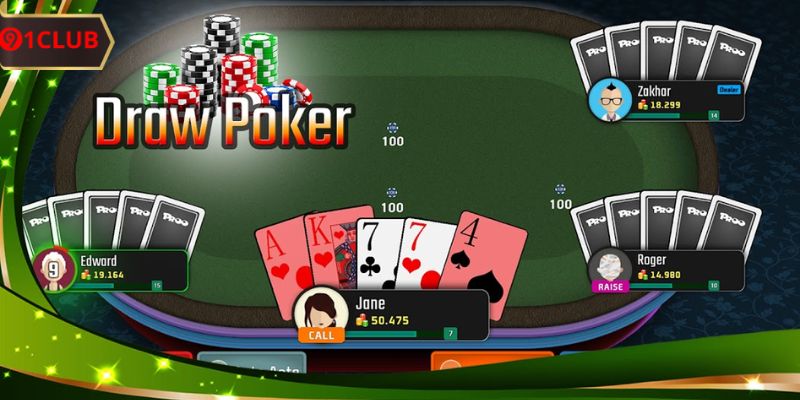
Poker is one of the most skill-based games available on 91 club making it popular among users who enjoy strategic thinking and calculated decision-making. Unlike purely luck-based games, poker requires patience, observation, discipline, and proper risk management.
Many beginners enter poker games without understanding basic strategies, which often leads to quick losses. This guide explains important poker strategies for 91 Club users in a simple and beginner-friendly way.
Why Poker is Different from Other Games
Poker is different because player decisions directly affect outcomes. While luck still plays a role, long-term performance depends heavily on strategy and experience.
Key elements of poker include:
- Card understanding
- Probability analysis
- Emotional control
- Opponent observation
- Smart betting decisions
This makes poker more strategic than simple prediction or slot games.
Learn Basic Poker Rules First
Before using advanced strategies, users should fully understand poker rules and hand rankings.
Common poker hand rankings:
- Pair
- Two Pair
- Three of a Kind
- Straight
- Flush
- Full House
- Four of a Kind
- Straight Flush
Understanding hand strength is essential for smart decision-making.
Start with Small Stakes
Beginners should avoid high-stakes poker games at the beginning.
Benefits of low-stake games:
- Lower financial pressure
- Better learning environment
- More time to understand gameplay
- Reduced emotional stress
Starting small helps users gain confidence gradually.
Play Fewer Hands but Play Smart
One common beginner mistake is playing too many hands. Experienced poker players are usually selective.
Smart poker approach:
- Fold weak starting hands
- Play stronger combinations carefully
- Avoid unnecessary risks early in rounds
Patience is one of the most important poker skills.
Observe Opponent Behavior
Poker is not only about cards—it is also about Login reading behavior and betting patterns.
Important observations include:
- Aggressive betting habits
- Repeated bluffing behavior
- Sudden betting changes
- Defensive or cautious playstyle
Careful observation helps improve strategic decisions.
Manage Your Poker Budget Carefully
Bankroll management is extremely important in poker.
Helpful budgeting strategies:
- Set a fixed poker budget
- Avoid risking all balance in one session
- Divide funds into smaller sessions
- Stop after reaching your planned limit
Financial discipline helps users play longer and more safely.
Avoid Emotional Poker Decisions
Emotional control is one of the biggest factors in successful poker gameplay.
Common emotional mistakes:
- Chasing losses aggressively
- Bluffing too frequently after losing
- Playing while frustrated
- Overconfidence after wins
Staying calm improves long-term performance.
Understand Bluffing Carefully
Bluffing is a major part of poker, but beginners often misuse it.
Smart bluffing tips:
- Bluff occasionally, not constantly
- Observe opponent reactions first
- Avoid bluffing without strategy
- Use bluffing in suitable situations only
Poor bluffing decisions can quickly lead to losses.
Position Matters in Poker
Your position at the table affects decision-making opportunities.
Why position is important:
- Later positions provide more information
- Early positions require more caution
- Better positions improve strategic flexibility
Experienced players often use position to gain an advantage.
Common Poker Mistakes Beginners Make
Many new players repeat similar errors during poker sessions.
Common mistakes include:
- Playing too many weak hands
- Ignoring bankroll limits
- Bluffing excessively
- Acting emotionally
- Rushing decisions without thinking
Avoiding these habits improves consistency over time.
Tips for Long-Term Poker Improvement
Poker skills improve gradually through learning and experience.
Ways to improve:
- Practice regularly
- Study previous mistakes
- Observe experienced players
- Focus on discipline over quick wins
- Stay patient during losing periods
Consistent learning is more important than short-term success.
Final Thoughts
Poker on 91 Club offers a more strategic and skill-based gaming experience compared to many other casino-style games. Users who focus on patience, emotional control, and smart decision-making usually perform better over time.
Although luck still affects individual rounds, strong poker strategy and disciplined gameplay can significantly improve the overall experience and long-term results on 91 Club.