
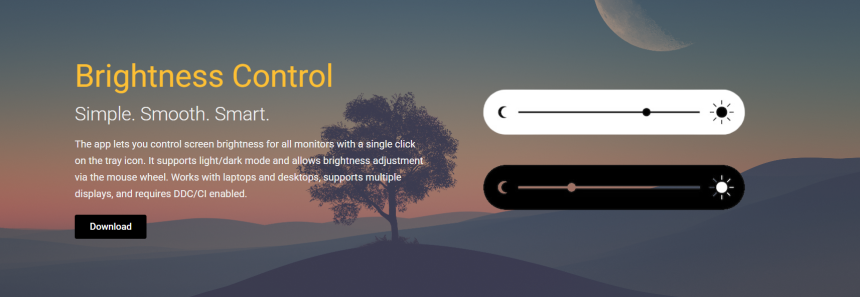
Screen brightness adjustment is crucial for comfortable and healthy computer use, especially during extended periods on Windows PCs. BrightnessControl is a popular free tool designed to help users fine-tune their screen brightness beyond the default Windows settings. But a common question arises: does BrightnessControl work with all Windows versions?
Understanding the compatibility of BrightnessControl with various Windows versions helps users decide if this tool is right for their system. Windows users range from those with older versions like Windows 7 to those using the latest Windows 10 or 11 releases. Knowing which systems support BrightnessControl ensures users avoid frustration and enjoy smooth brightness management.
This article explores BrightnessControl’s compatibility across different Windows versions. It highlights how the software adapts to various environments, identifies potential limitations, and explains why it remains a preferred choice for many users seeking effective brightness control.
Windows Versions and BrightnessControl
Evolution of Brightness Control in Windows
Brightness adjustment capabilities have evolved across Windows versions, from basic controls in Windows 7 to more refined features in Windows 10 and 11. Older Windows versions offer limited brightness customization, often lacking fine-tuned adjustment options. BrightnessControl fills these gaps by providing enhanced, precise control that works regardless of your Windows version.
Why Third-Party Brightness Software Is Needed
Many Windows versions lack comprehensive brightness adjustment features, especially for external monitors or multi-display setups. Default brightness sliders often operate in coarse steps, making it hard to find the ideal level. BrightnessControl offers a more user-friendly and precise approach, bridging limitations found in Windows’ built-in controls.
Importance of Compatibility for Users
Users with different Windows versions need assurance that software like BrightnessControl will function on their PC. Compatibility impacts installation ease, software performance, and access to features. BrightnessControl aims to support a wide range of Windows editions to accommodate diverse user needs.
BrightnessControl Compatibility with Windows 7
Support and Features on Windows 7
BrightnessControl fully supports Windows 7, which remains popular among users with older machines. It provides granular brightness adjustments that go beyond Windows 7’s default settings. This includes finer control over laptop and external display brightness for improved comfort.
Limitations on Older Systems
While BrightnessControl works well on Windows 7, certain advanced features such as automatic brightness adjustment based on ambient sensors may not be available. Hardware support and driver compatibility on older PCs can affect software performance. However, basic brightness control features remain reliable.
Installation and User Experience
Installing BrightnessControl on Windows 7 is straightforward, with a lightweight installer and no complex requirements. Users benefit from the software’s simplicity and precision, making it a useful tool for extending the functionality of older systems.
Compatibility with Windows 8 and 8.1
Improvements over Windows 7
Windows 8 and 8.1 introduced slight enhancements to brightness control, but still lack many advanced features found in newer versions. BrightnessControl complements these Windows editions by adding more precise control and better multi-monitor support.
BrightnessControl Functionality on Windows 8
The software works seamlessly on Windows 8 and 8.1, allowing users to adjust screen brightness easily. It supports laptops and desktops with different hardware configurations. Users can save custom brightness profiles for different lighting environments.
Addressing Known Issues
Some users report minor glitches related to driver conflicts on Windows 8. BrightnessControl updates regularly address such issues, ensuring better compatibility and smoother operation over time.
BrightnessControl and Windows 10 Compatibility
Full Feature Support on Windows 10
Windows 10 is the most widely used Windows version today, and BrightnessControl is fully optimized for it. It supports all major brightness adjustment features, including fine-tuning, profiles, and automatic adjustments when compatible hardware is present.
Enhanced Multi-Monitor Support
Windows 10’s multi-monitor setups benefit greatly from BrightnessControl’s ability to manage brightness on individual screens. This granular control is especially useful for professionals and gamers who need consistent display settings across multiple monitors.
Frequent Updates for Windows 10 Users
BrightnessControl developers prioritize Windows 10 compatibility, releasing regular updates to ensure seamless integration. This includes compatibility with new Windows updates and hardware improvements, guaranteeing stable performance.
BrightnessControl on Windows 11
Early Support and Ongoing Development
Windows 11 introduces new UI changes and enhanced system features, making compatibility crucial. BrightnessControl has been updated to support Windows 11, offering users familiar and reliable brightness adjustment tools on the latest platform.
Challenges with New Features
Some Windows 11-specific features, such as dynamic brightness and HDR settings, may require additional software support. BrightnessControl continues to evolve to integrate better with these new capabilities, ensuring users maintain full control over their display brightness.
User Feedback and Improvements
Initial user feedback on Windows 11 compatibility has been positive, praising BrightnessControl for maintaining its ease of use. Ongoing development promises to address any emerging compatibility challenges as Windows 11 adoption grows.
BrightnessControl Handles Multi-Display Setups
Support Across Windows Versions
BrightnessControl works with multiple monitors on all supported Windows versions. It allows users to control brightness independently for each screen or apply global changes. This flexibility is essential for users with complex display setups.
Managing External Monitors
Windows often struggles with brightness adjustment for external monitors, especially on older versions. BrightnessControl bridges this gap by providing software-based brightness control that works regardless of hardware limitations. This improves comfort for users with external displays.
Profiles for Different Displays
Users can save separate brightness profiles for each monitor, making it easy to switch between setups. This is particularly useful in professional environments where different monitors serve various purposes.
Installation and System Requirements
Lightweight Installer Compatible with All Versions
BrightnessControl has a small installation package that works smoothly on Windows 7, 8, 10, and 11. The installer guides users through an easy setup without complex steps. Minimal system requirements ensure it runs well even on older hardware.
No Special Permissions Required
The software does not require administrator rights for basic brightness adjustments, improving ease of installation and use. This reduces security concerns and makes it suitable for both home and corporate environments.
Portable Version for All Windows Versions
A portable version is available, allowing users to run BrightnessControl without installation. This is especially useful for users with restricted permissions or those who use multiple computers. The portable version maintains full functionality across Windows editions.
Troubleshooting Compatibility Issues
Common Problems and Solutions
Some users may encounter driver conflicts or hardware limitations that affect brightness adjustment. Updating display drivers and BrightnessControl to the latest versions usually resolves these issues. The software community and developer support forums provide additional assistance.
When BrightnessControl Might Not Work
On very old hardware or customized Windows installations, BrightnessControl’s functionality might be limited. Certain display adapters may not support software-based brightness control fully. In such cases, hardware controls or manufacturer utilities might be necessary.
How to Check Compatibility Before Installation
Users should verify their Windows version and system specs before downloading. Checking the official BrightnessControl website or forums for version-specific notes helps avoid compatibility surprises.
BrightnessControl for Any Windows Version
Consistent User Experience
No matter which Windows version you use, BrightnessControl offers a consistent and intuitive interface. This reduces the learning curve when upgrading Windows or switching PCs.
Reliable Brightness Management
Users gain access to reliable, precise brightness adjustment tools missing in some Windows editions. This helps maintain eye comfort and reduces strain regardless of system age.
Continuous Updates and Support
The active development team ensures ongoing support and improvements across Windows versions. Users can trust that BrightnessControl will evolve alongside Microsoft’s operating systems.
BrightnessControl Across Windows Versions
Keep Your Software Updated
Regularly update BrightnessControl to access new features and maintain compatibility. Updates often include bug fixes that improve performance on specific Windows versions.
Adjust Brightness Based on Environment
Use BrightnessControl to adapt brightness according to ambient lighting conditions. Creating profiles for different settings helps you optimize comfort no matter which Windows version you run.
Combine with Other Tools for Best Results
For enhanced eye care, pair BrightnessControl with blue light filters or night mode features native to your Windows version. This comprehensive approach protects your eyes from strain and improves sleep quality.
Conclusion
BrightnessControl works effectively across all major Windows versions, including Windows 7, 8, 10, and 11. Its broad compatibility ensures that users with different systems can benefit from precise and reliable brightness adjustment. While certain advanced features may depend on hardware and Windows capabilities, the core functions remain accessible and useful for everyone. This free, lightweight software bridges the gaps left by default Windows controls, providing a consistent, easy-to-use solution for enhanced screen comfort. Whether using an older PC or the latest Windows release, BrightnessControl remains a trusted choice for managing your display brightness.