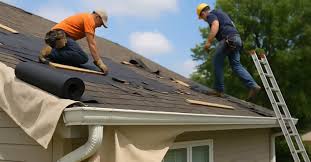
A home’s exterior works as one connected system. The roof, gutters, siding, flashing, ventilation, and drainage all help keep water out and protect the structure beneath. When one part fails, the damage often spreads quietly before it becomes obvious.
Why Exterior Maintenance Matters Year-Round
Many homeowners think about roofing only after a leak appears. By then, water may have already reached insulation, decking, drywall, or trim. Preventive care is usually simpler, less disruptive, and more affordable than waiting for visible damage.
Seasonal weather can be especially hard on exterior materials. Heavy rain, wind, heat, falling branches, clogged gutters, and aging sealants all create stress over time. Even newer homes can develop small issues around vents, valleys, chimneys, skylights, or gutter seams.
A practical maintenance routine helps homeowners catch warning signs early and make informed decisions before repairs become urgent.
Common Warning Signs You Should Not Ignore
Some exterior problems are easy to miss because they start small. Walk around your property every few months and look for changes such as:
- Missing, curled, cracked, or lifted shingles
- Dark streaks, soft spots, or sagging roof sections
- Granules collecting near downspouts
- Gutters pulling away from fascia boards
- Water spilling over gutters during rain
- Peeling paint, warped siding, or moisture stains
- Debris buildup in valleys or around roof edges
- Interior ceiling stains or musty attic odors
These signs do not always mean a full replacement is needed. However, they do mean the home should be evaluated before the issue expands.
The Roof and Gutter Connection
Roofing and gutters are often treated as separate projects, but they depend on each other. A strong roof sheds water efficiently, while gutters move that water away from the foundation, siding, and landscaping.
When gutters clog or slope incorrectly, rainwater can back up under shingles, overflow onto fascia, or pool near the home. Over time, this can lead to wood rot, mold concerns, basement moisture, and foundation stress.
Homeowners should clean gutters regularly and confirm that downspouts direct water several feet away from the structure. For homes surrounded by trees, gutter maintenance may need to happen more often.
Choosing the Right Exterior Contractor
Not every exterior issue requires the same solution. A trustworthy contractor should inspect the full system, explain what they find, and recommend repairs or replacement based on actual conditions.
When comparing roofing or exterior companies, look for:
Local experience
A contractor familiar with regional weather patterns can recommend materials and installation details suited to local conditions.
Clear inspection process
A good inspection should include roof surfaces, flashing, gutters, attic ventilation, siding transitions, and drainage concerns.
Practical recommendations
The best guidance is specific. Homeowners should understand what is urgent, what can be monitored, and what may improve long-term performance.
Strong workmanship standards
Exterior projects depend heavily on proper installation. Even quality materials can fail early when flashing, fastening, ventilation, or water flow details are overlooked.
For homeowners researching roof repair, replacement, siding, gutters, or storm-related exterior concerns, idealroofingandexteriors.com offers a useful example of the types of services and inspection-focused support to look for when evaluating local providers.
When Repair Makes Sense vs. Replacement
A repair may be appropriate when damage is isolated, the roof is relatively young, and the surrounding materials remain in good condition. Examples include replacing a few missing shingles, sealing minor flashing gaps, correcting gutter issues, or fixing a localized leak.
Replacement may be more practical when the roof is near the end of its service life, repairs are becoming frequent, or widespread wear is visible. A full replacement can also be the better option after significant storm damage or when underlying decking has been compromised.
The key is not to assume. A thorough inspection can help homeowners avoid both unnecessary replacement and repeated short-term fixes.
Exterior Upgrades That Improve Long-Term Protection
Beyond basic repairs, several upgrades can help improve performance and curb appeal:
- Better attic ventilation to reduce heat and moisture buildup
- Updated gutters sized for the roof and rainfall patterns
- Durable siding materials that resist moisture and impact
- Properly installed flashing around roof penetrations
- High-quality underlayment beneath roofing materials
- Downspout extensions or drainage improvements
These upgrades can make the home easier to maintain while helping protect its value.
Final Thoughts
A home’s exterior deserves regular attention because small weaknesses can become expensive problems when ignored. By checking the roof, gutters, siding, and drainage together, homeowners can make smarter maintenance decisions and respond before damage spreads.
The most reliable approach is simple: inspect regularly, address small concerns early, and work with experienced exterior professionals who understand how the entire system protects the home.