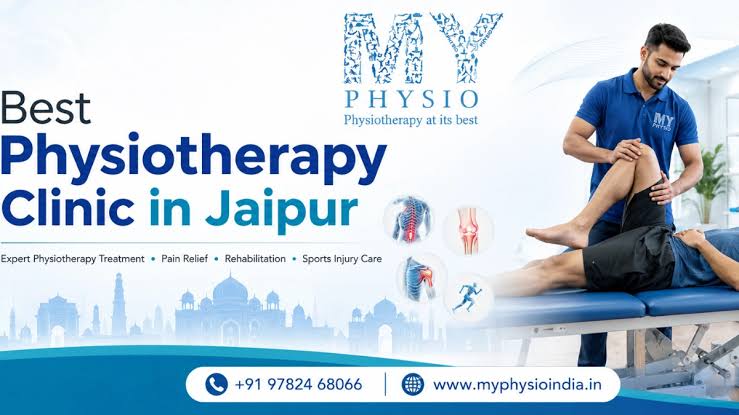
Ligament and tendon injuries don’t just heal on their own schedule, as many people assume. An ACL tear, a rotator cuff strain, a stubborn case of tennis elbow needs a real structured plan, not just rest and crossed fingers. If you’re searching for the best physiotherapist in Jaipur right now, odds are you’re already dealing with one of these, or recovering from surgery, and you’ve figured out the wrong choice here can set things back by months.
Not a small decision. Here’s what actually matters when picking someone for this.
What Ligament and Tendon Rehab Actually Requires
Ligaments connect bone to bone. Tendons connect muscle to bone. Both have a poor blood supply next to muscle, which is exactly why they’re slow to heal and why rushing rehab backfires so often. An ACL reconstruction usually needs six to nine months of progressive work before a full return to sport. Achilles tendinopathy and golfer’s elbow are trickier. Push too hard too early, and it flares right back up.
This is where the gap between a generic physiotherapist and someone who genuinely knows sports physiotherapy near me becomes obvious. Rehab here isn’t just strengthening. It moves through phases. Protect the area first. Load it gradually. Then retrain the specific movement patterns the joint actually needs.
Check Their Qualifications Properly
In India, physiotherapists need a recognised BPT or MPT and registration with the state physiotherapy council. Not optional paperwork; it’s what separates someone qualified to build a real rehab plan from someone who picked up a few routines online somewhere. Looking at the best physiotherapist in Jaipur for ligament or tendon recovery specifically, ask about their degree, their registration, and any sports rehab training beyond the base qualification.
Jaipur’s got a genuine sporting culture too, cricket especially; the city hosts IPL matches, and plenty of amateur athletes deal with knee and shoulder injuries here. Someone who’s actually treated athletes brings something different to this work than someone mostly used to post-surgical elderly patients.
Ask About Their Sports Injury Experience Directly
Not every physiotherapist treating musculoskeletal conditions has real experience with ligament and tendon injuries specifically. Back pain and joint stiffness are common enough, but ACL tears, meniscus injuries, and rotator cuff repairs require a more specialised approach. You want someone who has actually worked with return-to-sport protocols, not someone relying only on textbook knowledge.
If you’re searching for “sports physiotherapy near me”, ask about their experience directly. How many ACL or tendon cases have they handled in the past year? Do they use objective tests, such as single-leg hop tests, strength assessments, and movement testing, to assess readiness? Or do they mainly decide progress based on how many weeks have passed since the injury or surgery?
The answers can give you a clearer idea of whether their approach matches the demands of your injury and your sport.
How They Structure the Rehab Programme
A proper ligament or tendon plan isn’t one generic sheet of exercises. Should include an initial assessment of strength and movement patterns, a phased plan adjusting as you progress, milestones you can actually track, and criteria-based progression rather than a fixed calendar ignoring how your body’s responding.
The best physiotherapist in Jaipur for this uses manual therapy alongside exercise too, and factors in what you actually need to get back to, running, weekend cricket, or just normal movement without pain sitting in the background.
What a Home Assessment Should Cover
A lot of people recovering from these injuries prefer treatment at home, especially post-surgery when travel is genuinely hard, and every unnecessary car ride adds strain to a joint already under pressure. A proper home assessment covers what a clinic visit would too: joint stability, strength, gait or movement analysis, and a clear explanation of what phase you’re actually in right now.
Don’t settle for generic stretches without someone first understanding where your specific injury stands.
Choosing well isn’t just credentials on paper. It’s finding someone who treats your injury with the seriousness it needs, tracks progress properly instead of guessing, and adjusts the plan as your body responds instead of following a fixed script. Whether recovering from surgery or managing a tendon injury that flares up every few weeks, the best physiotherapist in Jaipur for your situation asks the right questions before ever touching a resistance band, and treats sports physiotherapy near me searches like yours as the start of a real conversation, not just a booking.
Please note: This article is general information only and isn’t medical advice for your specific condition. Please consult a qualified physiotherapist or your doctor before beginning any rehabilitation programme.