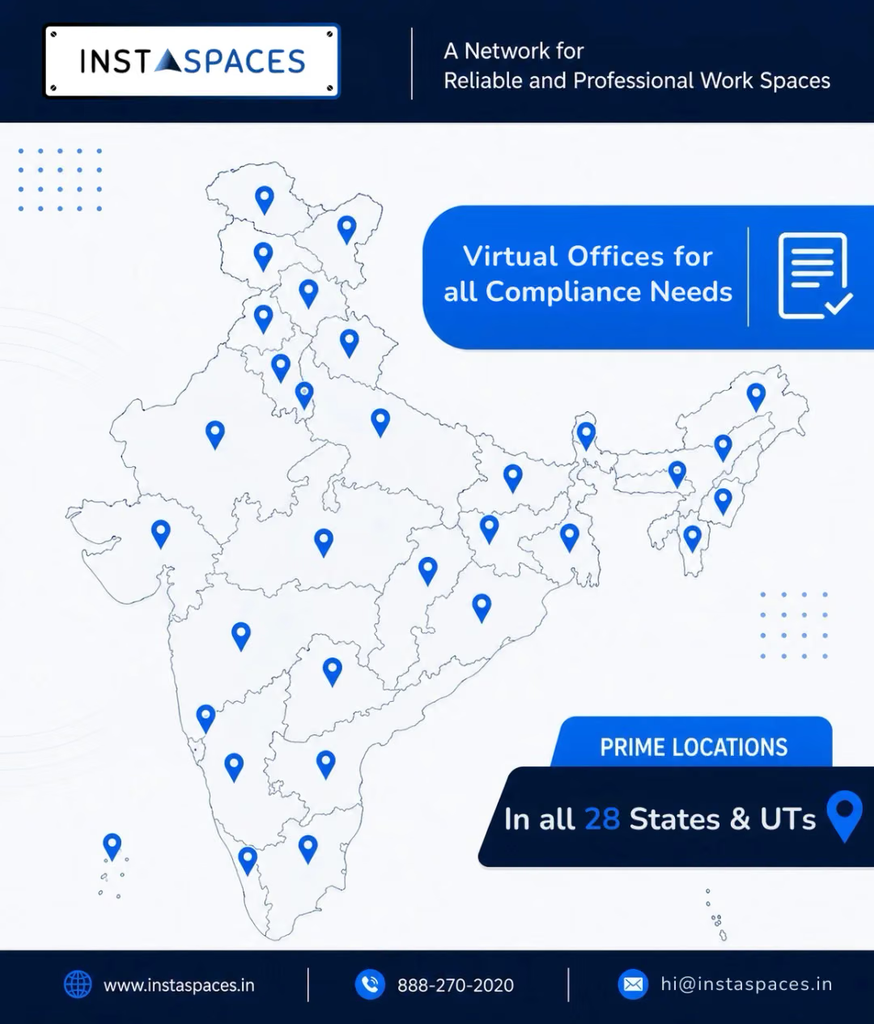
Expanding into another state is an exciting step for a growing business, but it also introduces a new layer of administrative planning. A company may need to review registrations, maintain consistent business information, manage official communication, and establish a suitable presence in the new market.
For digital businesses, this does not necessarily mean opening a conventional office immediately. A virtual office can provide a more flexible way to approach the physical side of expansion while the company’s core team continues operating remotely.
Businesses exploring virtual business address services can use them as part of a broader expansion and compliance strategy, where appropriate.
Expansion Is More Than Finding New Customers
When businesses think about expansion, the focus is usually on sales and marketing. However, entering a new state can also affect the company’s administrative structure.
New customers may mean new invoices, contracts, registrations, vendor relationships, and regulatory communication. If the business information used across these channels is inconsistent, managing the expansion can become unnecessarily complicated.
A structured business address can help create a consistent reference point for the company’s operations in a particular market.
The important consideration is that the address arrangement should be suitable for the business and meet all applicable registration and documentation requirements.
Why a Full Office May Not Be Necessary
Not every business needs employees sitting in an office every day.
A software company, marketing agency, consultant, or online service provider may have employees working remotely while serving customers across multiple states.
For such businesses, taking a traditional office solely to establish a physical presence may not be the most efficient first step.
A virtual office offers another approach. It allows businesses to consider their physical requirements separately from their everyday working arrangements.
This can make expansion more flexible, particularly when a company is still assessing demand in a new market.
Managing Business Information Across Locations
As a company expands, its address may appear across numerous records.
Website information, invoices, agreements, registrations, vendor profiles, and internal documentation may all need to reflect the company’s official details.
This creates a simple but important challenge: consistency.
A company that frequently changes its address can end up spending considerable time updating information across different systems.
Establishing an appropriate address structure early can reduce unnecessary changes and make administration easier as the business grows.
Virtual Offices and GST Requirements
GST considerations can become particularly relevant when businesses expand their operations across states. The requirements depend on the nature of the business, its activities, and the applicable GST rules.
A virtual office should therefore never be selected simply because an address is available. Businesses need to ensure that the arrangement is appropriate for their intended registration and that the required documentation is available.
For example, a business exploring expansion into Telangana could consider a virtual office in Hyderabad for GST registration and business expansion, subject to applicable requirements and the company’s specific circumstances.

Professional advice may also be appropriate where the registration structure is complex.
Making Expansion More Cost-Efficient
A traditional office involves more than monthly rent. Businesses may also need to pay for utilities, furniture, maintenance, equipment, and other operational expenses.
These costs may be reasonable once a company has a substantial local operation. During the initial expansion phase, however, they can become a burden.
A flexible business-address model allows companies to avoid committing to a larger physical setup before they know whether it is necessary.
The money saved can instead be directed toward activities that help establish the new market—such as customer acquisition, local partnerships, hiring, or product development.
Supporting Remote and Distributed Teams
Modern businesses are increasingly comfortable with employees working from different locations.
A company expanding into another state may hire local sales staff without requiring them to work from a central office. Meetings can happen online, documents can be managed through cloud platforms, and collaboration can continue without everyone being physically present.
A virtual office complements this model by providing a physical component to an otherwise distributed business structure.
This separation between work location and business address is becoming increasingly practical for companies whose operations are primarily digital.
Knowing When to Move to a Physical Office
A virtual office is not necessarily the final stage of expansion.
As the business grows, there may be a genuine need for permanent premises. A larger local team, frequent customer meetings, physical inventory, equipment, or other operational requirements can justify moving into a dedicated office.
Starting with a flexible model gives the business time to understand those requirements.
Instead of signing a long-term lease based on assumptions, management can make the decision after observing actual market demand.
Building a Consistent Multi-State Presence
For companies operating across several states, consistency becomes increasingly important.
The business should maintain accurate records of its registrations, addresses, correspondence, and supporting documentation. Internal teams should also know which address is associated with which business requirement.
This is where good administration becomes just as important as the address itself.
A virtual office can provide part of the infrastructure, but businesses still need proper record-keeping and compliance processes around it.
A Flexible Approach to Growth
State-level expansion does not have to follow the traditional pattern of immediately establishing a large physical workplace.
For businesses with remote teams and digital operations, a more gradual approach may make sense. They can establish the appropriate business infrastructure, evaluate the market, build customer relationships, and increase their physical presence as the business requires.
The virtual office model supports this flexibility by separating the need for a professional physical address from the need for a full-time workplace.
Ultimately, successful expansion is about matching infrastructure with genuine business requirements. The goal is not to have the biggest physical presence possible, but to create a structure that can grow without unnecessary complexity or cost.