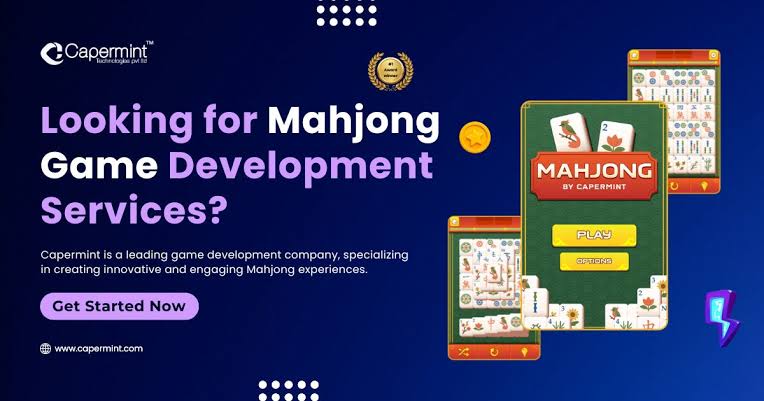
Mahjong has a long history as a game built around strategy, observation, pattern recognition, and social interaction. Traditionally played with physical tiles around a table, it has remained culturally significant and widely recognizable across generations. Today, however, Mahjong is no longer limited to its traditional physical format. Digital technology is creating entirely new ways to learn, practice, and experience the game.
Smartphones, tablets, modern web browsers, artificial intelligence, cloud computing, and faster internet connections have helped Mahjong enter a new stage of development. Digital platforms can provide interactive tutorials, computer-controlled opponents, online multiplayer environments, responsive interfaces, customizable visuals, and automated rule management. These features demonstrate how technology can expand a traditional experience without necessarily removing the qualities that made it popular.
The transformation of mahjong also reflects a broader trend across digital entertainment: technology is making games more accessible, interactive, personalized, and connected.
The Transition From Physical Tiles to Digital Interfaces
For generations, Mahjong was primarily experienced through physical sets. Players needed tiles, an appropriate playing space, and usually a group of participants familiar with the rules.
Digital technology changed these requirements.
A computer or mobile device can reproduce tiles visually and manage many of the practical aspects of a game automatically. Software can arrange tiles, control turns, apply rules, and calculate outcomes according to the selected variation.
Automation makes the experience particularly approachable for new users.
Instead of spending significant time managing physical components, beginners can concentrate on understanding the basic structure and strategic elements of the game.
This transition illustrates an important characteristic of digital technology: it can automate routine processes while allowing users to focus more closely on interaction and decision-making.
Smartphones Make Mahjong More Accessible
Mobile technology has played an important role in expanding access to digital games.
Modern smartphones provide high-resolution screens, touchscreen controls, powerful processors, and reliable internet connectivity. These capabilities make them well suited to tile-based gaming.
Mahjong interfaces can be designed specifically for touchscreen interaction.
Instead of moving a mouse cursor, players can select tiles directly with their fingers. Visual feedback can indicate which tile has been chosen, while animations can demonstrate actions occurring during the game.
Mobile devices also provide portability.
People can practice Mahjong without requiring a permanent gaming setup. This flexibility can introduce the game to audiences who might never have access to a traditional Mahjong group.
Interactive Tutorials Change the Learning Process
Learning Mahjong can initially appear complicated because of its tiles, terminology, combinations, and regional variations.
Technology can simplify this learning process through interactive tutorials.
Rather than presenting every rule simultaneously, digital systems can introduce concepts gradually. A tutorial might begin by explaining tile categories before moving toward combinations, turn structure, and strategic considerations.
Visual examples are particularly valuable.
Instead of imagining a combination based on a written description, learners can see the relevant tiles displayed directly on the screen.
Interactive exercises can then ask users to identify possible actions.
Immediate feedback helps users recognize mistakes and understand the reasoning behind correct choices.
This creates a more active learning environment than simply reading instructions.
Artificial Intelligence Creates Practice Opportunities
One of the most significant technologies influencing modern gaming is artificial intelligence.
AI-controlled players can make it possible to practice Mahjong without waiting for human opponents.
Different difficulty levels can support users at various stages of learning. Beginners may prefer simpler opponents that provide time to understand the game, while experienced players may want computer-controlled participants capable of making more sophisticated decisions.
AI can potentially serve educational purposes as well.
A training system could analyze a user’s choices and highlight alternative decisions. Instead of simply indicating whether an action was successful, it could explain possible strategic considerations.
As artificial intelligence becomes more capable, digital Mahjong training environments may become increasingly sophisticated.
Online Multiplayer Connects Players Across Distances
Social interaction has always been an important part of Mahjong.
Digital technology changes the location of that interaction rather than necessarily eliminating it.
Online multiplayer systems can allow participants in different cities or countries to share the same virtual table.
This creates possibilities that traditional physical play cannot easily provide.
Friends who live far apart can potentially continue playing together, while people interested in particular Mahjong variations may find communities beyond their immediate geographic area.
Online connectivity can also introduce players to different approaches and traditions.
Community functions, friend systems, text communication, and predefined reactions can add additional social elements to the digital experience.
Responsive Design Improves Cross-Device Gaming
People access digital entertainment through many different devices.
A Mahjong platform may be opened on a smartphone, tablet, laptop, or desktop computer. Each screen presents different design requirements.
Responsive technology allows interfaces to adapt automatically.
On a desktop display, there may be enough space to show detailed information around the playing area. On a smartphone, the interface may need to prioritize the tiles and place secondary controls inside compact menus.
Typography, buttons, and visual elements can also resize according to screen dimensions.
Responsive design ensures that the game is not merely available on different devices but remains practical to use on them.
Modern Graphics Create New Visual Styles
Digital Mahjong provides designers with considerable creative freedom.
Physical tiles have familiar visual characteristics, but digital versions can experiment with backgrounds, animations, interface themes, and presentation styles.
Some experiences may attempt to reproduce the atmosphere of a traditional table. Others may use minimalist graphics designed for maximum clarity.
Developers can also introduce animated environments or themed visual elements.
However, readability remains essential.
Players need to recognize tiles quickly, so decorative design should never make important symbols difficult to distinguish.
The strongest digital interfaces combine visual creativity with functional clarity.
Animation Can Communicate Information
Animation is not purely decorative.
Used carefully, movement can help communicate what is happening during a digital game.
A tile can move smoothly when it is played, a subtle highlight can identify the active player, and transitions can show changes between different stages of interaction.
These visual cues reduce the need for excessive written instructions.
They can make the interface feel more natural because users receive immediate feedback about what has happened.
Too much animation, however, can slow down the experience or become distracting.
Modern interface design therefore emphasizes purposeful animation rather than constant visual activity.
Sound Adds Another Interactive Layer
Physical Mahjong has distinctive sounds created by tiles being shuffled, selected, and placed.
Digital platforms can reproduce or reinterpret these sounds.
Audio feedback can help reinforce actions. A short sound might confirm a selection, while other effects can indicate transitions during play.
Background music may also be included to create a particular atmosphere.
Digital technology gives users greater control over these elements.
Players can often adjust volume or disable specific audio features entirely.
This customization allows people to shape the experience according to their environment and personal preferences.
Cloud Technology Supports Connected Experiences
Cloud computing operates behind many modern digital platforms.
For Mahjong services, cloud infrastructure can support account systems, multiplayer connections, data synchronization, backups, and technical scalability.
Cross-device synchronization can be particularly useful.
A user’s preferences may be associated with an account rather than one specific device. This makes it possible to move between a smartphone, tablet, and computer while maintaining a familiar setup.
Cloud infrastructure can also help online platforms respond to changing levels of demand.
These capabilities are mostly invisible to players, but they can significantly improve reliability and convenience.
Personalization Creates Flexible Gaming Environments
Modern digital services increasingly allow users to customize their experiences.
Mahjong platforms can follow the same trend.
Players might be able to choose tile styles, backgrounds, sound settings, animation speeds, languages, or interface layouts.
Accessibility preferences can provide additional flexibility.
For example, larger tiles or increased visual contrast may help users who find smaller symbols difficult to read.
Personalization allows the traditional structure of Mahjong to remain consistent while the surrounding digital environment adapts to individual preferences.
Technology Can Introduce Different Mahjong Variations
One interesting advantage of digital platforms is their ability to support multiple rule sets.
Mahjong has developed different traditions across regions, and these variations may use different scoring systems, rules, or terminology.
Software can make switching between variations easier.
Users can select a supported rule set while the platform automatically manages many of its technical details.
Educational content can explain the differences between versions.
This provides an opportunity for players to explore forms of Mahjong beyond the ones they already know.
Technology can therefore contribute not only to accessibility but also to broader awareness of the game’s diversity.
Data Can Improve Digital Design
Digital platforms can collect technical performance information that helps developers understand how their software behaves.
For example, developers may discover that certain interface elements are difficult to use on smaller screens or that particular animations create performance problems on older devices.
This information can guide future updates.
Usability testing can also reveal where new players become confused.
Developers can then improve tutorials, simplify menus, or reorganize controls.
The result is a continuous development cycle in which digital Mahjong experiences can become more refined over time.
Performance Remains Essential
Interactive technology is valuable only when it works smoothly.
Slow loading, delayed controls, unstable animations, or unreliable connections can reduce the quality of digital Mahjong.
Developers therefore need to optimize visual assets, interface code, network communication, and memory usage.
Mobile optimization is especially important because smartphones vary significantly in technical capability.
A well-designed platform should aim to provide reliable performance across a practical range of supported devices.
Efficiency can also reduce battery usage and mobile data consumption, making portable gaming more convenient.
Preserving the Social Character of Mahjong
One challenge of digitizing a traditional game is maintaining its social identity.
Mahjong has historically been about more than tiles and rules. Conversation, observation, and shared time around the table are important aspects of the experience.
Digital platforms cannot perfectly reproduce face-to-face interaction.
However, they can introduce alternative social features.
Online rooms, friend systems, community events, and communication tools can help players maintain connections.
Emerging technologies may eventually expand these possibilities further by creating more immersive virtual environments.
The goal does not have to be replacing traditional Mahjong. Digital and physical experiences can serve different purposes.
Augmented and Virtual Reality Possibilities
Future interactive Mahjong experiences may move beyond conventional screens.
Augmented reality could potentially display virtual tiles on a real table through compatible devices.
Players might interact with digital components while still seeing their physical surroundings.
Virtual reality could take a different approach by placing participants inside a completely digital environment.
People in different locations might appear around the same virtual table through avatars.
These concepts remain dependent on hardware adoption and practical usability, but they demonstrate how emerging technology could reinterpret traditional tabletop interaction.
Security and Responsible Digital Participation
Connected gaming environments also require attention to security.
Users should protect accounts with strong passwords and use trusted applications or websites. Keeping devices and software updated can reduce common technical risks.
Platforms should use appropriate security practices to protect communication and account information.
If a Mahjong-themed service includes real-money wagering, users should recognize that this is different from ordinary strategic or social Mahjong.
Gambling involves financial risk and uncertain outcomes. Adults choosing to participate should follow local laws, establish personal limits, and avoid treating gambling as a dependable source of income.
Mahjong itself can be enjoyed entirely without wagering.
Technology as a Tool for Cultural Preservation
Digital transformation can also help preserve traditional games.
Interactive tutorials can document rules for future generations. Digital platforms can introduce Mahjong to people outside communities where physical play is common.
Multiple languages can make educational resources available internationally.
Online communities can connect experienced players with newcomers.
Technology therefore does not necessarily weaken traditional culture. When designed thoughtfully, it can provide additional channels through which cultural practices are learned, discussed, and maintained.
The Future of Interactive Mahjong
Future Mahjong platforms will likely become more adaptive and connected.
Artificial intelligence may create more realistic practice opponents and personalized learning tools. Cloud systems can improve cross-device continuity, while faster networks can support smoother multiplayer interaction.
Graphics technology will continue improving, particularly on mobile devices.
Accessibility features may become more sophisticated, helping a wider variety of users enjoy the game comfortably.
At the same time, designers will need to avoid unnecessary complexity.
The technology surrounding Mahjong should enhance the experience without overwhelming the underlying game.
Conclusion
Mahjong demonstrates how modern technology can create new interactive experiences around a traditional game. Smartphones have expanded accessibility, responsive design has improved cross-device usability, and artificial intelligence has introduced flexible practice opportunities.
Online multiplayer technology can connect people across geographic distances, while cloud infrastructure supports synchronization and reliable digital services. Interactive tutorials make the learning process more approachable, and customization gives users greater control over visual and audio presentation.
Emerging technologies such as augmented and virtual reality may eventually introduce even more experimental ways to experience Mahjong.
Yet technological innovation does not need to replace the traditional game. Physical Mahjong continues to provide a distinctive face-to-face social experience that digital systems cannot fully duplicate.
Instead, technology can complement that tradition by making Mahjong easier to discover, learn, practice, and share.
As digital entertainment continues evolving, Mahjong offers a powerful example of how a game with deep historical roots can successfully enter a new interactive era while preserving the strategic, cultural, and social qualities that have allowed it to endure across generations.