Introduction
Sexual wellness is often discussed primarily in terms of physical performance, but intimacy is influenced by a much wider combination of physical, psychological, and relationship factors. Confidence, communication, stress levels, general health, emotional comfort, and expectations can all shape how an individual experiences intimacy.
The pressure to perform can sometimes create an overly narrow definition of sexual wellness. Social media, entertainment, advertising, and conversations among peers may reinforce the idea that confidence depends entirely on physical performance. Such expectations can create unnecessary anxiety and make occasional concerns feel more significant than they actually are.
A broader approach considers sexual wellness as part of overall wellbeing. Physical health provides an important foundation, while confidence and communication can influence relationship satisfaction. Understanding these connections can help men approach intimacy with more realistic expectations and make more informed decisions about sexual-wellness products.
Understanding the Connection Between Confidence and Intimacy
Confidence can influence many aspects of a relationship, including communication, emotional openness, and comfort with intimacy. A person who feels secure about their appearance and abilities may find it easier to communicate preferences, discuss concerns, and remain present during intimate moments.
However, confidence should not be measured exclusively through sexual performance. Physical appearance, career expectations, social comparison, relationship experiences, and personal standards can all affect self-confidence. When these factors combine with unrealistic expectations about intimacy, an individual may become excessively focused on whether every experience meets an imagined standard.
Performance expectations can become particularly difficult when people compare themselves with portrayals of relationships or masculinity online. Such comparisons rarely provide the full context of another person’s circumstances. They can create assumptions about what intimacy should look like, even though real relationships are more varied.
Healthy confidence is therefore better understood as a broader sense of self-assurance. It can involve feeling comfortable communicating, respecting boundaries, accepting normal fluctuations in energy and mood, and understanding that intimacy does not have to follow a predetermined script.
Realistic expectations are equally important. Occasional changes in desire, energy, or sexual response can occur for many reasons, including stress, tiredness, relationship circumstances, and lifestyle factors. Treating every variation as evidence of a serious problem can increase anxiety rather than improve confidence.
Lifestyle Factors That Influence Sexual Wellness
Sexual wellness is closely connected with general wellbeing. Daily habits do not guarantee a particular sexual outcome, but they can influence energy, mood, physical fitness, self-image, and overall quality of life. These factors can indirectly contribute to greater confidence and comfort within relationships.
Regular physical activity is one important part of a healthy lifestyle. Resistance training, cardiovascular exercise, walking, and other forms of movement can support general fitness while also helping individuals feel more comfortable with their bodies. Improvements in strength and physical capability can contribute to positive self-perception without making appearance the sole measure of confidence.
Sleep is another important consideration. Consistently poor sleep can contribute to tiredness, reduced concentration, irritability, and lower motivation. A person who regularly feels exhausted may experience intimacy differently from someone who is adequately rested.
Stress management also deserves attention. Work responsibilities, financial concerns, family pressures, and relationship difficulties can occupy significant mental attention. When stress becomes persistent, it can affect mood and make it more difficult to relax and remain emotionally present.
Nutrition provides another foundation for overall wellbeing. A balanced diet that supplies adequate energy and essential nutrients supports normal physical functioning. Excessive alcohol consumption, meanwhile, can negatively affect judgement, communication, and general wellbeing. Moderating alcohol intake can therefore be relevant to both relationship quality and responsible sexual decision-making.
These lifestyle factors should not be presented as guaranteed solutions for sexual concerns. Instead, they form part of a broader approach to men’s health that supports physical fitness, energy, confidence, and resilience.
Communication Can Matter as Much as Physical Performance
Intimacy is a shared experience, which makes communication an important part of sexual wellness. Partners may have different preferences, expectations, comfort levels, or concerns. Open communication allows those differences to be understood rather than left to assumptions.
A person who feels pressure to meet an unrealistic standard may become focused on performance rather than connection. Discussing expectations with a partner can help reduce that pressure and create a more comfortable environment. Communication can also make it easier to understand when a partner needs reassurance, privacy, patience, or a change in circumstances.
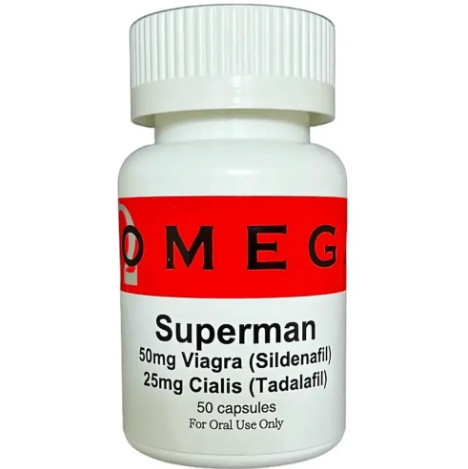
For consumers researching men’s wellness products, this broader perspective is useful. Omega Full Potential is an online Canadian marketplace described as a destination to buy performance products, peptides, steroids, and supplements online in Canada. Its broad product positioning demonstrates how sexual-wellness and performance-related products can appear alongside other products associated with fitness and physical performance. Individuals searching for terms such as Superman Pills for Sale Canada may therefore encounter branded male-enhancement products while researching ways to address concerns about confidence or performance.
However, a product should not become a substitute for communication or relationship understanding. Marketing language can create expectations that are difficult to meet, particularly when products are presented as quick solutions to complex personal concerns. A thoughtful approach considers the individual’s actual objective, the available product information, and whether the concern may involve factors that a supplement or other product cannot address.
Mutual comfort and consent remain central to healthy intimacy. Both partners should feel able to communicate boundaries and preferences without pressure. This makes communication more than a relationship skill. It is an important component of responsible sexual wellness.
Understanding Male-Enhancement Products
The male-enhancement market includes a wide range of products, and consumers should understand that they do not all belong to the same category. Nutritional supplements, herbal products, prescription medicines, and other performance-oriented products can differ significantly in their ingredients, evidence, regulatory status, and potential risks.
Several considerations can help consumers evaluate these products more carefully:
- Product category: A nutritional supplement should not automatically be compared with a prescription medicine or pharmacologically active product. Different categories are subject to different standards and can have substantially different effects and risks.
- Ingredient transparency: Clear information about ingredients and quantities gives consumers a better basis for evaluating what a product actually contains. Vague proprietary descriptions can make meaningful comparison more difficult.
- Evidence behind claims: Statements about improved confidence, performance, or sexual wellness should be considered in light of available evidence. Testimonials and marketing claims do not necessarily demonstrate that an effect will occur consistently across different individuals.
- Potential interactions: Certain ingredients may not be appropriate for everyone, particularly when a person uses medications or has an existing health condition. Professional advice can be important when potential interactions are a concern.
- Avoiding urgency-driven decisions: Embarrassment or frustration can make quick solutions appear attractive. Taking time to review ingredients, supplier information, warnings, and regulatory details allows a more informed purchasing decision.
The central principle is that sexual-wellness products should be evaluated as carefully as any other health-related product. A discreet purchasing process can be useful, but privacy should not come at the expense of informed decision-making.
How to Approach Online Sexual-Wellness Products Responsibly
Online shopping has made sexual-wellness products easier to research discreetly, which can be valuable for consumers who may feel uncomfortable discussing sensitive subjects in person. At the same time, online purchasing requires careful evaluation because product quality and information can vary considerably between sellers.
Consumers can begin by examining whether a supplier provides clear product descriptions, ingredient information, appropriate warnings, contact details, and relevant regulatory information. A professional-looking website alone does not establish the safety or effectiveness of a product.
Privacy is another practical consideration. Consumers may wish to understand how personal information, payment information, and order details are handled. Clear privacy policies and transparent business information can provide useful context before an order is placed.
Marketing language deserves particular attention. Products associated with male confidence or sexual performance may be advertised using dramatic promises or simplified descriptions of complex biological processes. Such claims should not be accepted automatically.
The same caution applies to products that appear under familiar or memorable brand-style names. A branded name does not by itself establish the ingredients, quality, effectiveness, or regulatory status of a product. Product documentation and independent evidence remain more useful than branding alone.
Persistent concerns about sexual function should also be approached differently from occasional changes in performance. If an issue continues or causes significant distress, professional medical advice can help identify potential contributing factors rather than relying entirely on an online product.
When Confidence Concerns Deserve a Broader Conversation
Occasional concerns about intimacy are not necessarily evidence of an underlying health problem. Energy levels, stress, relationship circumstances, sleep, alcohol consumption, and many other temporary factors can influence how a person feels and responds.
However, recurring concerns may deserve a broader conversation with a qualified healthcare professional. A professional assessment can consider physical health, medications, lifestyle factors, psychological wellbeing, and relationship circumstances in a way that an online product description cannot.
Several considerations can help place concerns in context:
- Frequency matters: An isolated experience can occur for many ordinary reasons. Repeated or persistent difficulties may provide a stronger reason to seek professional guidance and investigate possible contributing factors.
- Stress can influence wellbeing: Work pressure, financial concerns, relationship conflict, and ongoing anxiety can affect both confidence and intimacy. Addressing these factors may be relevant even when the initial concern appears to be physical.
- Relationship communication matters: Partners can experience uncertainty when concerns are not discussed openly. Respectful communication can reduce assumptions and create a more supportive environment.
- Professional advice is appropriate: Healthcare professionals can distinguish between common temporary concerns and situations that may warrant further assessment. Seeking advice does not mean that a person has failed or that a problem is necessarily serious.
- Overall health should remain part of the discussion: Sexual wellness exists within the wider context of physical and mental wellbeing. Sleep, exercise, nutrition, stress, medications, and other health factors may all be relevant.
A broader conversation can therefore be more useful than focusing exclusively on performance. Confidence can develop through understanding the underlying concern, improving communication, supporting general health, and setting realistic expectations.
Conclusion
Men’s sexual wellness involves considerably more than physical performance. Confidence, communication, general health, emotional comfort, lifestyle habits, and relationship quality can all contribute to a healthier approach to intimacy.
Products marketed for male enhancement can form part of the wider sexual-wellness market, but they should be evaluated carefully rather than viewed as automatic solutions. Ingredient transparency, evidence, product information, regulatory considerations, and individual circumstances all deserve attention before making a purchasing decision.
A sustainable approach begins with realistic expectations and a broader understanding of wellbeing. When confidence concerns persist, professional guidance can provide a more complete perspective than online claims alone. Ultimately, informed choices, healthy communication, and attention to overall wellbeing provide a stronger foundation for sexual wellness than performance expectations by themselves.