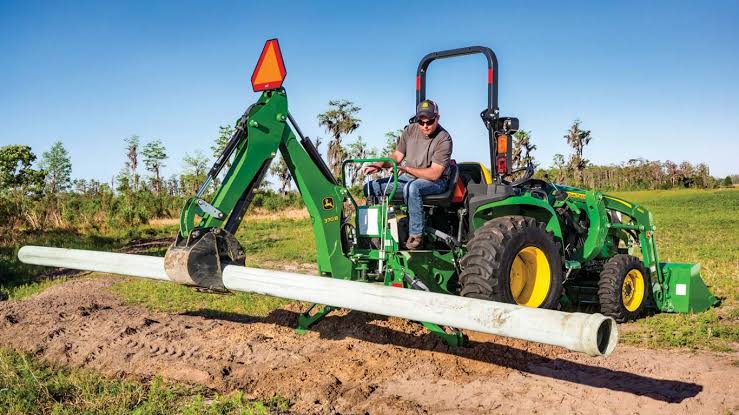
Large excavation machines have traditionally been associated with commercial construction projects, road building, and large-scale earthmoving work. However, the needs of small farms, rural landowners, and acreage managers are very different. Most of their digging tasks are smaller in scale but still require efficiency, precision, and reliability.
This gap between heavy construction equipment and manual labor is exactly where mini backhoes have become increasingly valuable. These compact machines provide enough digging power for everyday rural tasks while remaining affordable, easy to transport, and simple to operate.
As rural property development continues to grow, more landowners are realizing that owning compact excavation equipment can significantly reduce costs and improve productivity.
The Shift Toward Compact Equipment in Rural Work
In the past, small excavation tasks were often handled in one of three ways: manual digging, renting large machinery, or hiring contractors. Each option has limitations.
Manual labor is time-consuming and physically demanding. Hiring contractors is often expensive, especially for repeated small jobs. Renting full-size excavators can also be inefficient when the work does not require heavy machinery.
This is why compact solutions like mini backhoes are becoming more common. They provide a practical middle ground between labor-intensive manual work and oversized commercial equipment.
For farmers and landowners who frequently manage drainage, fencing, irrigation, or landscaping projects, having access to their own machine can dramatically reduce both time and long-term expenses.
What Makes Mini Backhoes So Useful
A mini backhoe is designed to handle lighter excavation work without sacrificing functionality. While smaller than full-sized excavators, these machines are capable of completing a wide range of essential rural tasks.
Their compact design allows them to operate in tight spaces such as between barns, along fence lines, around gardens, and near residential structures. This flexibility is one of their biggest advantages.
Despite their size, they still provide enough hydraulic power to dig trenches, remove soil, and assist with small construction projects. This balance of power and maneuverability makes them suitable for both agricultural and residential land use.
Common Applications on Farms and Rural Properties
Mini backhoes are widely used across agricultural and property maintenance tasks. Some of the most common applications include:
- Digging drainage ditches to manage water flow
- Installing irrigation and water supply lines
- Preparing fence posts and boundary lines
- Planting trees, shrubs, and landscaping features
- Small foundation excavation for sheds or outbuildings
- Cleaning and maintaining property ditches
- General soil removal and grading tasks
Because these machines can handle multiple roles, they are often considered a long-term utility investment rather than a single-purpose tool.
This versatility is especially valuable for small farms where equipment must serve multiple functions throughout the year.
Cost Advantages of Mini Backhoes
One of the strongest reasons for the rising popularity of mini backhoes is cost efficiency.
Full-size excavators can require a significant financial investment, not only in purchase price but also in fuel, transport, and maintenance. For many small property owners, this level of expense is unnecessary.
Mini backhoes offer a more affordable alternative while still providing enough capability for everyday excavation tasks.
Lower fuel consumption, simpler mechanical systems, and reduced maintenance requirements all contribute to long-term savings. Over time, these savings can be significant, especially for users who frequently perform small digging projects.
Transport and Storage Benefits
Another important advantage is ease of transport and storage.
Large excavation equipment often requires specialized trailers and heavy-duty towing vehicles. This can add both cost and complexity for rural property owners.
Mini backhoes are much easier to move between job sites. Many models can be transported using standard trailers, making them more accessible for individual owners.
Storage is also far more convenient. Instead of needing large industrial space, these machines can often be stored in standard barns, sheds, or garages. For rural properties where space may be limited, this is a major benefit.
Choosing the Right Equipment
Selecting the right mini backhoe depends on the type of work being performed and the conditions of the property. Buyers should consider several important factors before making a decision:
- Digging depth and reach requirements
- Hydraulic power and performance
- Machine durability and build quality
- Ease of maintenance and servicing
- Compatibility with attachments
- Transport and towing requirements
- Availability of spare parts
The most powerful machine is not always the best choice. In many cases, selecting equipment that matches actual workload needs leads to better efficiency and lower long-term costs.
Role in Modern Farming and Property Management
Modern farming increasingly focuses on efficiency, sustainability, and cost control. As a result, equipment choices play a major role in overall productivity.
Mini backhoes allow farmers and landowners to complete infrastructure and maintenance projects without relying heavily on outside contractors. This independence reduces delays and provides greater control over scheduling and costs.
They also make it easier to maintain land year-round, whether for drainage improvements, seasonal planting, or property upgrades.
For those comparing available equipment options, more agricultural machinery including tractors, excavators, and compact digging equipment can be explored here:
https://farmersequipment.org/
Availability and Buying Considerations
The demand for compact excavation equipment has led to a wide variety of models on the market. Buyers can choose between entry-level machines for occasional use or more durable models designed for frequent heavy-duty tasks.
Understanding specifications is important when comparing options. Key factors such as hydraulic capacity, digging depth, and attachment compatibility can significantly impact performance.
For buyers specifically researching compact digging solutions, detailed listings such as a mini backhoe for sale provide specifications and purchasing options:
https://farmersequipment.org/product/mini-backhoe-for-sale/
These listings help buyers evaluate whether a specific model meets their operational requirements.
Final Thoughts
Mini backhoes have become an important tool for small farms and rural property owners because they solve a common problem: the need for reliable excavation power without the cost and complexity of large machinery.
Their affordability, versatility, and ease of use make them an ideal solution for a wide range of everyday tasks. As rural properties continue to expand and modernize, compact excavation equipment is expected to play an even greater role in land management and agricultural efficiency.