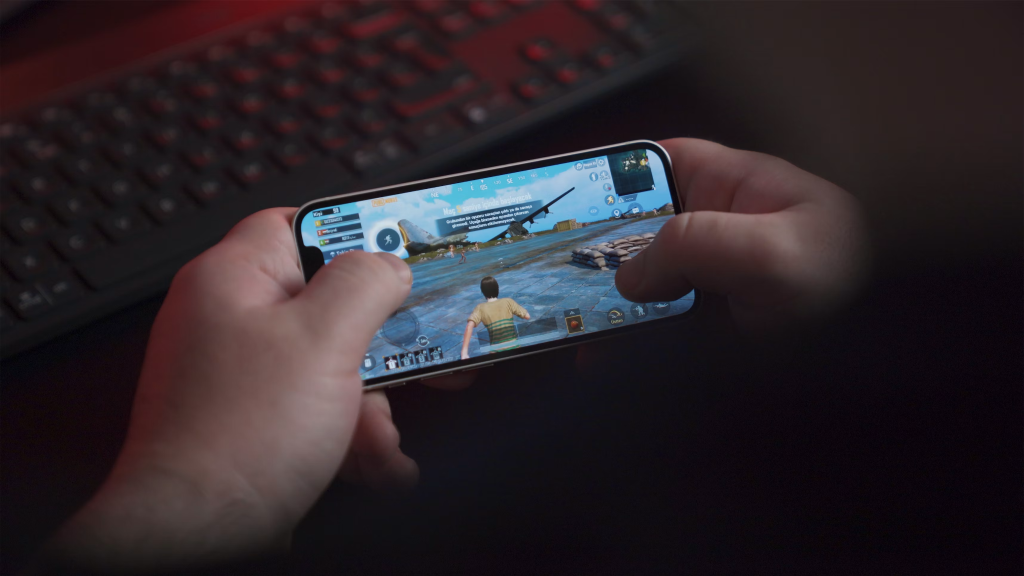
Mobile gaming once carried a strange reputation. For years, it was often treated as a lighter side of entertainment, something quick, casual, and less impressive than the worlds built on consoles or PCs. That view no longer matches reality. Modern smartphones have become powerful enough to run complex games, support live online features, and deliver visual quality that would have looked surprising not long ago. Mobile gaming is no longer a backup option. In many parts of digital entertainment, it is now the main stage.
That change reflects a wider digital habit built around speed, convenience, and constant access. A platform such as spinfin fits naturally into the same low-friction culture, where entertainment works best when it opens quickly and fits around daily life. Smartphones follow that exact pattern. A modern device already sits in a pocket, already stays connected, and already handles messaging, streaming, payments, and social activity. Once gaming grows strong enough on the same hardware, the distance between everyday routine and digital play becomes much smaller.
Smartphones Turned Gaming Into an Anytime Habit
One of the biggest strengths of mobile gaming is simple: availability. A console often waits in one room. A desktop setup stays tied to one desk. A smartphone moves through the whole day without needing an invitation. That changes how entertainment is used.
A short session can happen during a commute, between tasks, while waiting in line, or during a quiet evening on the sofa. The device does not demand a full ritual before a game begins. That matters because free time now arrives in fragments for a lot of people. Entertainment that can fit those fragments has a strong advantage.
This is one reason mobile gaming grew so quickly. It did not only improve technically. It also matched the way modern life is already organised. A powerful phone turns small pockets of time into playable moments. That sounds modest, but it changes habits in a serious way.
Better Hardware Changed What Mobile Games Can Be
Smartphones improved far beyond the old expectation of simple puzzle games and light distractions. Processors became faster, screens sharper, refresh rates smoother, and battery performance more reliable. Cooling systems improved as well, which matters once a game becomes demanding instead of decorative.
Because of that, mobile gaming now covers a much wider range. Fast action, strategy, social play, competitive online matches, role-playing systems, and even visually ambitious open environments all became more realistic on a phone. The category stopped looking limited.
What Modern Smartphones Added to Mobile Gaming
- Stronger processors for more complex game performance
- Better displays with smoother motion and sharper detail
- Improved touch response during fast gameplay
- More stable connections for online modes
- Larger storage options for bigger game libraries
- Better battery and thermal design for longer sessions
These upgrades do more than improve graphics. They change confidence. A mobile game no longer feels like a compromise by default. In many cases, the phone feels capable enough to carry the experience properly.
Convenience Became Part of the Power
A modern smartphone is powerful in the technical sense, but the deeper advantage comes from convenience. Gaming does not only win because the chip is faster or the display is brighter. Gaming wins because the device is always near, always charged enough to tempt a quick session, and already familiar in the hand.
This creates a different kind of power. A phone may not beat a high-end gaming PC in raw strength, but raw strength is not the only thing that shapes the market. Convenience changes behaviour, and behaviour shapes the market much more than hardware fans sometimes like to admit.
Why Mobile Gaming Keeps Growing So Fast
- The device is already part of everyday life
- Quick sessions feel natural instead of incomplete
- Games are easier to revisit throughout the day
- Social and gaming habits sit on the same screen
- Entry costs feel lower than dedicated gaming hardware
- A huge audience already knows how to use the platform
This is where mobile gaming becomes bigger than a trend. It turns into a practical form of entertainment that matches current habits better than older models in many situations.
Smartphones Changed the Meaning of Accessibility
Accessibility matters too. Not everyone wants a desk setup, a console under the television, or a room arranged around gaming. A smartphone lowers that barrier. One device can handle communication, media, work tasks, and gaming without demanding a separate investment in space or hardware.
That accessibility helps explain why mobile gaming reaches such a broad audience. The format feels less intimidating. It also feels easier to enter without a major commitment. A casual session does not require a big decision or a carefully planned evening. The game is simply there, ready when the mood appears.
Mobile Gaming Feels Powerful Because It Fits Real Life
The rise of mobile gaming says something important about modern entertainment. The strongest device is not always the one with the biggest fan system or the largest monitor. Sometimes the strongest device is the one that fits real life most naturally.
Modern smartphones changed mobile gaming by combining technical improvement with constant availability. That combination is hard to beat. Better chips, stronger screens, smoother connections, and larger game libraries all matter, but the biggest advantage is still closeness. The device is already there.
That is why mobile gaming keeps growing. It offers enough power to feel serious and enough convenience to feel effortless. In a culture shaped by movement, short attention windows, and digital habits that never fully sit still, that combination gives smartphones a very strong position in the future of entertainment.