Underground sewer problems rarely present obvious warning signs. You may notice slow-draining fixtures, recurring backups, or water that takes longer to clear than before. These symptoms typically indicate an underlying issue within the sewer line itself. Rather than excavating the yard based on guesswork, a video inspection allows technicians to examine the interior of the pipe directly and determine the exact nature of the problem before any work begins.
What Is a Sewer Video Inspection?
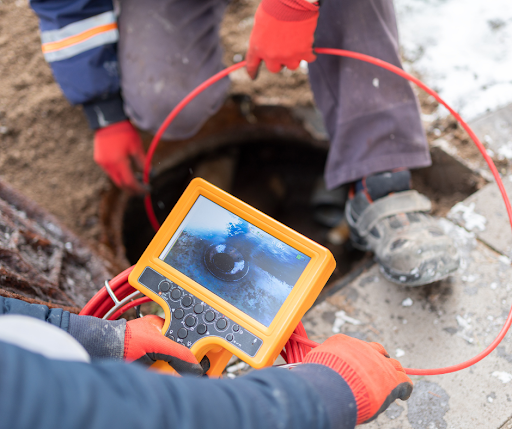
A sewer video inspection in Iowa City, IA, involves inserting a camera into the sewer line via a flexible cable. The technician watches a live feed as the camera moves through, looking for anything out of place in the pipe. The equipment is engineered to navigate bends and traverse long distances within the pipe, making it suitable for both residential and commercial sewer lines.
During a sewer video inspection in Iowa City, IA, the experts can check for:
- Blockages and persistent clogs
- Cracked or broken pipe sections
- Tree root intrusion
- Leaks and infiltration
- Pipe bends or alignment concerns
- Buildup inside the line
- Other conditions affecting wastewater flow
Camera inspection also helps locate underground sewer lines before construction or remodeling, eliminating unnecessary guesswork during property improvements.
How Video Inspection Helps Identify Sewer Problems
1. See the Cause Instead of Guessing
Not every recurring clog has the same cause. One property may have root intrusion penetrating pipe joints. Another may have a collapsed section or years of grease accumulation. Without inspecting the interior of the pipe, there is no reliable method to determine the specific problem.
A camera inspection of the septic line provides technicians with direct visual confirmation of the issue. This shifts the service approach from reactive to diagnostic. Rather than treating symptoms, the technician can recommend a solution based on the inspection findings. This also prevents incorrect repairs that fail to resolve the issue, only for the same problem to recur shortly afterward.
2. Reduce Unnecessary Excavation
Traditionally, locating an underground sewer problem required excavation, often extensive. Video inspection minimizes excavation because the camera travels through the existing pipe and precisely identifies the problem location with a locator that marks the depth and position of a fault. Knowing the exact spot before work begins keeps the project scope manageable.
For homeowners, this is significant. Less excavation means less disruption to the yard and landscaping and lower overall costs.
When Should You Consider a Sewer Video Inspection?
If drain problems recur after cleaning, a video inspection is a logical next step. Such inspection of the septic line is also advisable when purchasing a home, before beginning a remodel, or whenever drainage issues arise without an obvious cause. Older properties in particular can benefit, since aging pipes are more likely to have cracks, joint separation, or root damage that has built up gradually over the years.
Getting an inspection before a problem worsens gives you useful information rather than waiting until you have no choice.
What Happens After the Inspection?
The findings from the inspection shape what comes next. Depending on the camera findings, the line may require cleaning, repair, or further evaluation of a specific section with the use of hydro jetting or root cutting. Qualified technicians use fiber optic cameras to inspect sewer and drain lines and can provide a copy of the inspection video. Having this footage available also simplifies communication with contractors and provides a reference should related issues arise later. It also becomes footage that helps with price negotiations before buying a property.
The objective is to understand the condition of the system before determining the appropriate response. This keeps the work focused and provides homeowners with a clear assessment of their system’s condition.
Conclusion
A sewer video inspection in Iowa City, IA, provides a clear understanding of underground conditions without invasive excavation. Whether the issue involves roots, a break, buildup, or another cause, camera inspection identifies the source. When sewer problems recur, inspecting the interior of the line is the most direct method to determine the cause.