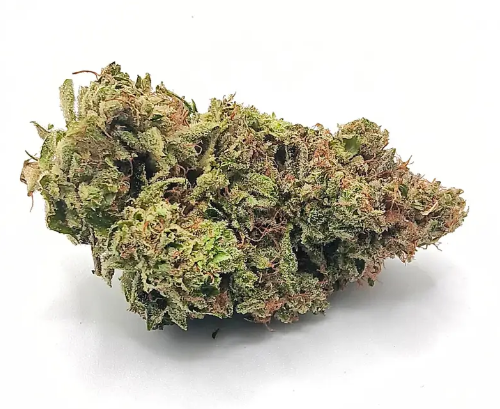
Cannabis flower can produce an impressive range of aromas, from bright citrus and sweet fruit to earthy, woody, spicy and pine-like notes. These differences are not accidental. They are influenced by aromatic compounds called terpenes, which are naturally present in cannabis and many other plants.
Aroma is one of the first characteristics many people notice when examining cannabis flower. It can contribute to how a product is described, compared and remembered, making it a useful part of understanding different flower varieties. However, smell alone cannot provide a complete picture of a product.
Learning how terpenes contribute to cannabis aroma can make product descriptions easier to understand. It can also help shoppers develop a more precise vocabulary for describing the aromas they personally prefer.
What Are Terpenes?
Terpenes are naturally occurring aromatic compounds responsible for many of the distinctive smells found throughout the plant world. They occur in fruits, herbs, flowers, trees and numerous other plants, which is why familiar aromas such as citrus, pine, lavender and mint can also appear in cannabis.
Cannabis contains many different terpenes, and individual varieties can contain different combinations and concentrations. This creates a broad range of possible aromatic profiles.
Rather than thinking about a cannabis aroma as being produced by one single compound, it is more useful to view it as a combination of several aromatic components. The balance between these compounds contributes to the overall character of a particular flower.
Terpenes are also only one part of the cannabis plant’s chemical profile. Other naturally occurring compounds can contribute to the overall characteristics of the flower, while cultivation, genetics and processing can influence how those characteristics are expressed.
For shoppers, terpene information can therefore provide another way of distinguishing between products. Instead of relying only on a strain name, consumers can pay attention to the aroma families and specific terpene notes associated with a flower.
Why Different Cannabis Flowers Smell Different
Cannabis flowers can smell noticeably different even when they belong to the same broad category. Genetics play an important role because different plant varieties inherit different characteristics that influence their aromatic profiles.
Cultivation conditions can also affect how those characteristics develop. Factors such as growing environment, harvesting practices and post-harvest handling can influence the final aroma of the flower.
The terpene composition of the plant is particularly important. One variety may contain a profile dominated by citrus-like notes, while another may lean toward earthy, pine-like or floral aromas. A third variety may combine several of these characteristics.
Environmental conditions can contribute to these differences as well. Temperature, light, moisture and other cultivation variables can affect plant development and the expression of aromatic compounds.
Post-harvest handling matters too. Drying and storage can influence how strongly certain aromas are perceived. Poor storage may cause desirable aromas to become less noticeable, while appropriate storage can help preserve the characteristics present in the flower.
This explains why cannabis aroma should not be attributed solely to a strain name. Genetics provide an important foundation, but cultivation and handling also contribute to what is ultimately experienced.
Common Aroma Families
Cannabis aromas can be described using familiar categories that make it easier to communicate what a particular flower smells like. These descriptions are not strict scientific classifications, but they provide useful vocabulary for comparing products.
For shoppers exploring products such as West Coast Bud Canada, aroma descriptions can offer additional context when comparing different cannabis flowers. West Coast Bud provides cannabis products through an online dispensary, where product descriptions can help shoppers understand the characteristics associated with different options.
Some of the most common aroma families include:
- Citrus: Lemon, orange, grapefruit and other bright citrus notes can create a fresh and sharp aromatic impression.
- Pine: Pine-like aromas are often described as woody, fresh or forest-like, creating a distinctly outdoorsy character.
- Earthy: Some flowers have rich soil, wood or forest-floor characteristics that produce a deeper and more grounded aroma.
- Floral: Floral profiles can include soft, sweet or perfume-like notes reminiscent of flowers such as lavender or other fragrant plants.
- Fruity: Berry, grape, tropical fruit and other sweet fruit descriptions are commonly used when a flower has a noticeable fruit-like aroma.
- Herbal: Herbal aromas may resemble familiar plants, leaves or fresh herbs and can range from subtle to pronounced.
- Spicy: Peppery, warm or spice-like notes can add a sharper and more complex character to the overall profile.
- Multiple aroma families: Many cannabis flowers do not fit neatly into one category. A product may combine citrus and pine, fruit and floral notes, or earthy and spicy characteristics.
Using several descriptors can often provide a more accurate picture than relying on a single word. For example, describing a flower as having citrus, herbal and slightly earthy notes gives a more detailed impression than simply calling it aromatic.
Terpenes and Product Descriptions
Terpene information can make cannabis product descriptions more informative. When a listing identifies specific aromatic compounds or describes the dominant aroma profile, shoppers gain another point of comparison between products.
Strain descriptions may include both terpene information and tasting notes. These can help explain whether a flower is expected to have a citrus-forward, earthy, fruity, floral or woody character.
However, aroma descriptions should be viewed as guidance rather than guarantees. Individual perception varies considerably, and the same aroma may be interpreted differently by different people.
The way cannabis is stored can also influence how strongly its aroma is perceived. A flower that has experienced prolonged exposure to unsuitable conditions may not smell exactly as it did when it was initially packaged.
Product descriptions therefore work best when considered alongside other available information, such as genetics, format, quantity and terpene details. Aroma is an important characteristic, but it should not be treated as the only factor when comparing cannabis products.
The terminology used in descriptions can also become easier to understand with experience. Once shoppers recognise what terms such as citrusy, earthy, floral or pine-like mean, product listings become more useful for identifying familiar preferences.
Terpenes Across Flower and Concentrates
Terpene profiles are not limited to cannabis flower. Concentrates can also have distinctive aromatic characteristics, although extraction and processing can influence how those aromas are expressed.
Flower contains its original plant material along with naturally occurring cannabinoids, terpenes and other compounds. Concentrates, by comparison, are processed to create products with a more concentrated composition.
Different concentrate formats can therefore present aroma differently. Products such as live resin are often discussed in relation to preserving characteristics associated with fresh plant material, while other formats may undergo additional processing that changes the final aromatic profile.
Shatter, hash and distillate can each have their own sensory characteristics. The production method, starting material and level of refinement all contribute to the final product.
This means a shopper who enjoys the aroma of a particular flower should not automatically assume that every concentrate derived from a similar genetic line will smell identical. Processing can alter the balance and intensity of aromatic compounds.
Product descriptions can help explain these distinctions. Concentrate listings may highlight flavour, aroma, terpene content or the characteristics associated with the source material.
Understanding these differences makes it easier to appreciate why cannabis products can share certain genetic characteristics while still having noticeably different aromatic profiles.
Developing a Personal Aroma Preference
Aroma preference is highly individual. One person may enjoy bright citrus notes, while another may prefer earthy, woody or floral profiles. Developing a personal vocabulary for these preferences can make future product comparisons more straightforward.
Keeping track of familiar aromas is one practical approach. Shoppers can note which descriptions consistently appeal to them and compare those descriptions when exploring different products.
It can also be useful to compare several aroma families rather than focusing exclusively on individual terpene names. Someone may discover that they generally prefer fruity and floral combinations, for example, even if the specific terpene composition varies between products.
Aroma should also be assessed in context. The same flower can present subtle differences depending on storage, freshness and how it is handled.
Over time, paying attention to aroma can help shoppers recognise patterns in their preferences. Instead of choosing products solely because of a familiar strain name, they can begin looking for broader characteristics that they already know they enjoy.
Ultimately, there is no universally correct cannabis aroma preference. The value of terpene information lies in providing a language for describing and comparing the diverse sensory characteristics found across cannabis products.
Conclusion
Terpenes play an important role in the aromas associated with cannabis flower. Their combinations help create profiles ranging from citrus and fruit to pine, earth, flowers, herbs and spices.
Genetics provide an important foundation, but cultivation, harvesting, drying, storage and processing can all influence how those aromas are expressed. This is why two products can have different aromatic characteristics even when they share some similarities in genetics.
For shoppers, understanding aroma families and terpene descriptions can make product information easier to interpret. At the same time, aroma should be treated as one characteristic among several rather than as a guarantee of a particular experience.
Developing a personal vocabulary for cannabis aromas can ultimately make product comparisons more meaningful. With greater familiarity, shoppers can move beyond simple strain names and pay closer attention to the specific aromatic profiles that interest them.