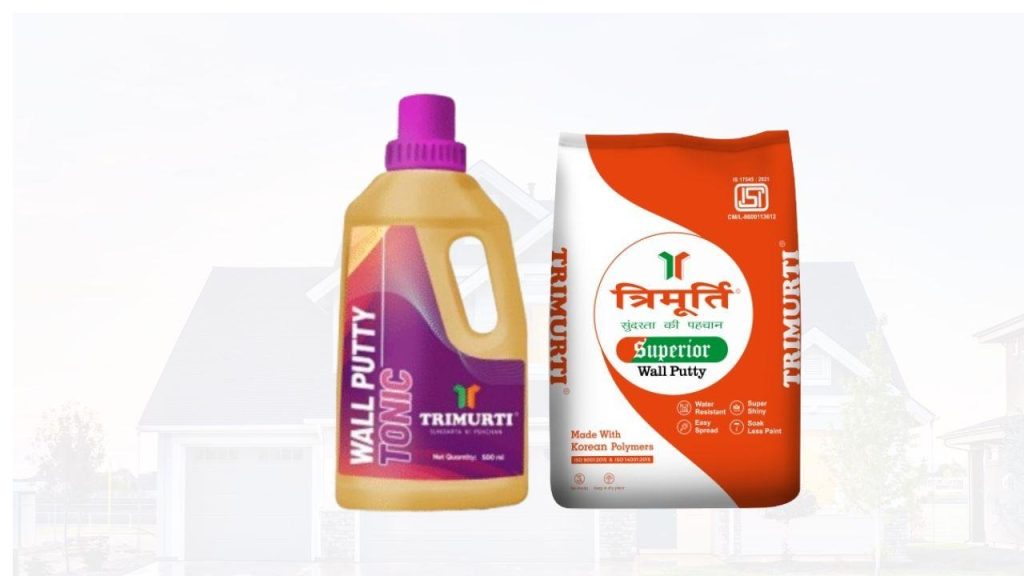
Smooth, flawless walls are not just about visual appeal they reflect the quality of materials used, the technique of application, and long-term durability of a building. Whether it is a home interior, office space, or large-scale construction project, wall finishing plays a major role in defining the final outcome. Choosing the right materials can significantly improve strength, reduce maintenance costs, and enhance paint life.
One of the most frequently researched aspects by homeowners and contractors is wall care putty price because it directly affects budgeting decisions without compromising on finish quality. A well-informed choice here ensures both durability and smooth aesthetics. Interestingly, many people underestimate how much surface preparation impacts the final look, but professionals know it is the foundation of perfect walls. Again, understanding putty price helps in balancing cost with quality, especially when planning large-scale construction or renovation work.
This guide explores the science behind smooth walls, key materials used in finishing, and the factors that influence both performance and pricing in modern construction.
Understanding the Science Behind Smooth Walls
Creating smooth walls is a scientific process involving adhesion, surface levelling, and material bonding. Raw plastered walls often contain microscopic pores, uneven patches, and moisture absorption tendencies. Wall finishing materials are designed to eliminate these imperfections and create a uniform surface for painting.
The smoothness of a wall depends on:
- Surface porosity and absorption rate
- Quality of base plaster
- Type of finishing material used
- Application technique and curing time
When these elements work together, the result is a durable, crack-resistant surface that enhances paint performance and longevity. In modern construction, material engineering ensures that finishing products not only improve appearance but also increase structural stability.
Role of Wall Putty in Surface Preparation
Wall putty is one of the most essential materials used in achieving a perfect wall finish. It acts as a base layer that fills minor cracks, smoothens uneven textures, and provides a strong foundation for paint adhesion.
Many contractors and homeowners often compare different options in the market, especially when analysing wall care putty price, because it helps determine overall project cost efficiency. A high-quality putty ensures better coverage, reduced paint consumption, and longer-lasting results.
Another commonly used product in interior finishing is gypsum-based putty, which offers excellent smoothness and whiteness.
For example, pop wall putty price is often considered while selecting economical yet effective finishing solutions for residential projects. POP-based products are known for their easy application and quick-drying properties, making them suitable for both small and large surfaces.
Key benefits of wall putty applications:
- Enhances paint durability and shine
- Reduces paint absorption into walls
- Covers hairline cracks and imperfections
- Improves overall surface strength
Importance of Gypsum-Based Materials in Modern Construction
Gypsum plays a crucial role in modern wall finishing systems due to its lightweight structure and superior binding properties. It helps create a smooth, crack-resistant surface while maintaining moisture balance in walls.
A widely used product in this category is Trimurti gypsum plaster, known for its consistent quality and ease of application in both residential and commercial projects. It provides a strong base layer that improves finishing efficiency and reduces the need for multiple coatings.
Gypsum-based materials are preferred because they:
- Offer superior surface smoothness
- Reduce construction time
- Provide better thermal insulation
- Minimize shrinkage cracks
These advantages make gypsum plaster an essential component in modern construction practices where efficiency and quality are equally important.
Cost Factors Influencing Wall Finishing Materials
The pricing of wall finishing materials depends on several technical and market-driven factors. Understanding these helps builders and homeowners make informed decisions without compromising quality.
Some of the major cost factors include:
- Raw material quality and sourcing
- Manufacturing process and technology
- Brand reputation and product consistency
- Packaging, transportation, and logistics
- Coverage area per unit quantity
In many cases, buyers evaluate wall care putty price alongside product performance to ensure they are getting the best value for money. However, it is important to remember that cheaper products may require higher quantities, leading to increased long-term costs.
Similarly, variations in pop wall putty price depend on composition, additives, and finish quality. Selecting the right product ensures fewer reapplications and better surface durability over time.
Practical Tips for Choosing the Right Wall Finishing Material
Selecting the right product requires a balance of quality, performance, and budget. Here are some practical tips to help:
- Always check surface compatibility before selection
- Prefer products with high coverage efficiency
- Consider drying time for faster project completion
- Evaluate long-term maintenance requirements
- Compare multiple options instead of focusing only on price
These factors ensure that the chosen material delivers both aesthetic and functional value.
Conclusion
Smooth walls are the result of careful planning, quality materials, and proper application techniques. From base plastering to final finishing layers, every step contributes to the final appearance and durability of a structure. Materials like wall putty and gypsum plaster play a vital role in ensuring strong, visually appealing surfaces that stand the test of time.
Understanding cost dynamics helps in making smarter budgeting decisions while also ensuring quality is not compromised. At the same time, different finishing product options and advanced gypsum-based solutions provide flexibility for various construction and renovation needs.
In the end, investing in the right wall finishing materials is not just about appearance; it is about long-term strength, reduced maintenance, and overall construction efficiency.
Trimurti Products focuses on delivering high-quality construction and finishing materials designed to support modern building needs. The company offers a wide range of solutions for wall preparation, surface finishing, and interior durability, helping builders achieve strong and smooth results. Their products, with a strong presence in the construction materials industry, it is trusted for consistent quality, practical product performance, and solutions that cater to both residential and commercial projects across India.