A creative agency founder in Chicago told me she lost a forty-thousand-dollar retainer, not because of bad work, but because a contract renewal fell through the cracks during a busy month and the client assumed she’d simply forgotten about them. She hadn’t forgotten. She just had no system flagging renewal dates, relying instead on her own memory during a stretch when she was juggling six accounts and a hiring push. The work was good. The operations underneath it weren’t, and the client never saw the difference between those two things.
Agencies at a certain size hit this wall predictably. The creative or strategic work stays strong while the business infrastructure underneath it quietly falls behind, until something slips through in a way that actually costs money.
Client Relationship Tracking Breaks First, and It Breaks Quietly
Somewhere around eight to twelve active clients, an agency founder’s memory stops being a reliable system for tracking who needs what and when. Renewal dates, project milestones, the last time someone actually checked in with a client just to see how things were going, all of it starts slipping, not dramatically, just a little, until a pattern of small oversights adds up to something a client notices.
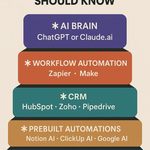
A CRM builder solves this well for agencies specifically, because generic sales CRMs are built around a different sales motion than most agencies actually have. Agency client relationships aren’t a pipeline of cold leads moving toward a single close. They’re ongoing, layered, often involving multiple stakeholders and recurring project cycles that a standard sales CRM template doesn’t represent well. Building a tracker around the agency’s actual relationship structure, project phases, renewal timing, key stakeholder notes, tends to get used consistently in a way that a mismatched off-the-shelf tool never quite does.
Contracts and Client Communication Need a Home That Isn’t Email
This is where a lot of small and mid-size agencies are quietly consolidating tools rather than juggling five separate systems for proposals, contracts, invoicing, and scheduling. HoneyBook has become a common answer for exactly this consolidation, particularly for creative and service-based agencies that want proposals, contracts, and payment tracking living in one place rather than scattered across email threads and separate invoicing software.
The value here isn’t any single feature. It’s reducing the number of places information about a client relationship can get lost. An agency running contracts through email attachments and invoices through a separate accounting tool creates exactly the kind of gap where a renewal date sits buried in an old thread nobody thinks to check until it’s already overdue.
Project Management Software Gets Outgrown Faster Than Founders Expect
A simple task list works fine for a three-person team running two active clients. It stops working once an agency is juggling ten simultaneous projects with different timelines, different team members responsible for different pieces, and clients who want visibility into progress without constant status-update emails.
This is less about any specific tool and more about recognizing the outgrowing moment before it causes a visible failure. Agencies that wait until a missed deadline forces the conversation about better project management are already paying the cost of the gap. Agencies that upgrade proactively, before the pain becomes acute, avoid that first expensive lesson entirely.
Financial Visibility Shouldn’t Live Only in the Founder’s Head
Agency founders often carry the full financial picture mentally: which clients are profitable, which projects ran over budget, where cash flow is tight this month. That works at small scale and becomes a genuine liability as the agency grows, because that mental model doesn’t scale, and it creates a single point of failure if the founder is unavailable or simply too busy to keep tracking it accurately in their head.
Basic financial dashboards, pulling data from invoicing and project tracking tools rather than reconstructed manually each month, give an agency real visibility into which clients and project types are actually profitable versus which just feel busy. This distinction matters more than most founders realize until they finally see it laid out clearly.
The Stack That Actually Works Is the One Nobody Has to Think About
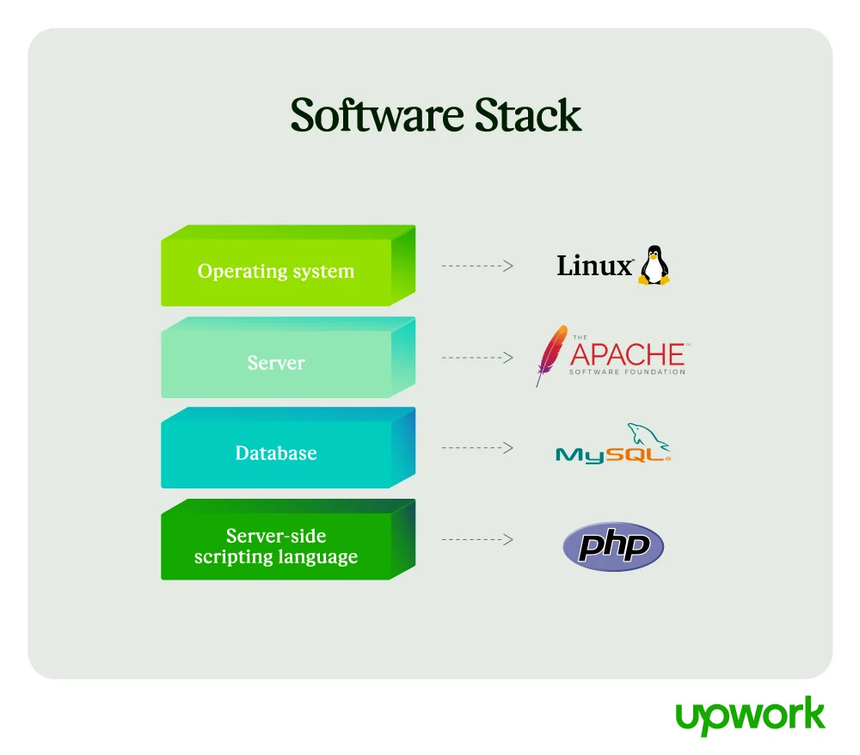
An agency’s software stack succeeds when it becomes invisible, when the founder isn’t manually reconciling five separate tools every week just to know what’s happening across client relationships. The Chicago founder rebuilt her client tracking system after that lost retainer, connecting renewal reminders directly to her CRM so nothing depends on memory anymore.
She hasn’t lost a renewal to an oversight since, not because she got better at remembering, but because she finally stopped relying on memory as the system in the first place, and built something that would catch what she inevitably would have missed on a busy month like the one that cost her before.