Technology is entering a new phase where devices do more than just execute commands; they can interpret information, identify patterns, and suggest decisions. This shift is happening quietly, yet it is already influencing how we work, consume content, and interact with digital services.
Artificial intelligence is a key driver of this transformation. Tools capable of understanding text, images, and vast amounts of data are being adopted across various industries. Customer service, document analysis, campaign creation, and task automation are just a few examples of activities that can be accelerated by intelligent systems.
This evolution is also evident in personal devices. Smartphones, computers, and apps are increasingly adept at recognizing preferences and delivering personalized experiences. On digital platforms, algorithms analyze user behavior to recommend movies, music, products, news, and various forms of entertainment. Online services like 22Bet are also part of this increasingly diverse digital ecosystem.
Another significant shift relates to automation. Machines and software can take over repetitive tasks, allowing professionals to focus their efforts on activities requiring creativity, strategy, and analytical skills. For businesses, this can mean fewer manual processes and greater operational efficiency.
However, as technology becomes more pervasive, the need to use it responsibly grows. Issues regarding privacy, data security, and the ethical use of artificial intelligence will become increasingly important. Knowing what data is shared and understanding how specific platforms use that information has become an essential part of connected life.
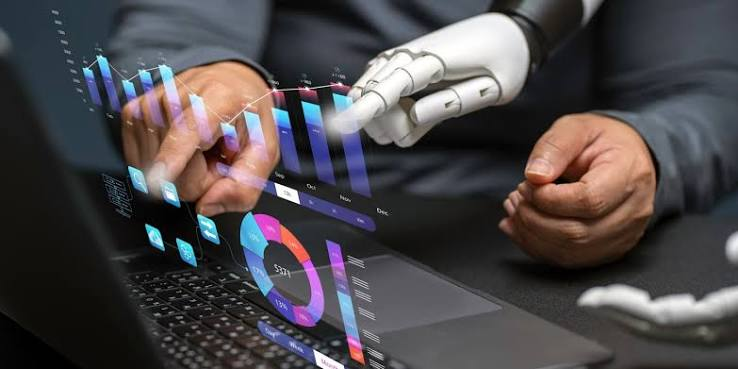
Technological advancement does not necessarily mean that machines will replace all human activities. In many cases, the trend is for people and intelligent systems to work together. Technology can handle predictable tasks, while humans remain responsible for creativity, complex decision-making, and relationships. In the coming years, this integration is expected to become even more natural. The major transformation may not lie in a single invention, but rather in the combination of various technologies capable of making services faster, more personalized, and smarter. Those who keep pace with this evolution will be better positioned to understand the opportunities and challenges of an increasingly digital world.