Bunions are a common foot issue that can be very painful and make it hard to walk. Bunions can be caused by things like genes, the shoes you wear, and some health problems.
The good news is that there are treatments that can help with pain, slow down the problem, and even fix it. Knowing the different non-surgical and surgical choices can help you manage your foot health and regain your ability to move around.
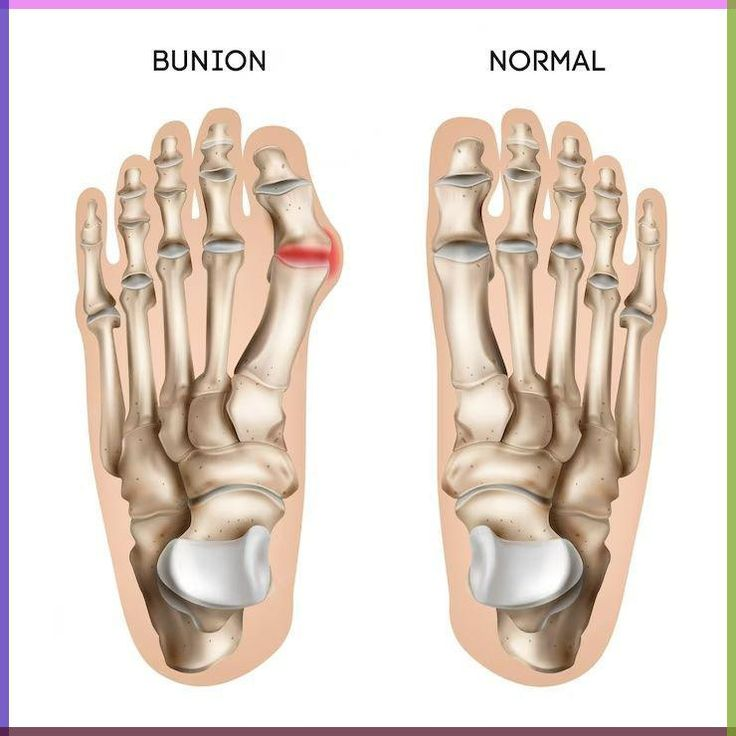
Image Source: Pinterest
What Causes Bunions?
Bunions are actually caused when the big toe pushes against the toe next to it, making the joint stick out. This mismatch can happen for a few reasons:
Genetics: Having foot types like flat feet or low arches, makes it more likely to get bunions.
Shoe choice: shoes that are very tight, narrow, or have high heels puts a lot of pressure on the joint, which can make bunions form faster.
Health Issues: Arthritis, especially rheumatoid arthritis, can cause swelling in the joints and lead to bunions.
Foot Injuries: Injuries or constant pressure on the toe joint can cause bunions.
Bunions get worse as time goes on. Early bunions treatments in Houston can control pain and stop serious problems with shape that might need surgery to fix.
Signs of Bunions
Noticing the signs of bunions early can help you get treatment before it gets worse. Some regular signs are:
Visible bump: A noticeable lump at the bottom of the big toe.
Pain and discomfort: When wearing tight shoes that squeeze the toes.
Swelling and redness: Happening around the joint, usually with pain when touched. Calluses and corns: These are thick patches of skin that form when your toes rub against each other or your shoes.
Limited movement: It’s hard to bend or move the big toe.
Sometimes, bunions can cause long-lasting pain, which makes it hard to walk or stand for a long time. Not paying attention to symptoms can make misalignment worse and can cause arthritis or other foot issues, like hammertoes.
Treatments for Bunions That Don’t Involve Surgery
Many people can control bunion pain without needing surgery. Non-surgical treatments help lessen pain, ease pressure on the joint, and slow down the problem.
Shoe Changes: Picking shoes that have a wide toe area and low heels can help lessen the pressure on a bunion. Wearing loose shoes instead of tight or pointy ones can help stop the problem from getting worse.
Orthotic Devices: Special shoe inserts or bunion pads help spread out pressure evenly on the foot. Toe spacers or splints can help straighten the big toe and lower rubbing.
Managing Pain: You can use medicines like ibuprofen to help with swelling. Ice packs can also be used for 15 to 20 minutes to help lower swelling.
Physical Therapy: Exercises that make your foot muscles stronger and help them stretch, like stretching your toes, using resistance bands, and picking up small things with your toes, can help reduce stiffness and keep your joints moving well.
Changes to Daily Habits: Keeping a healthy weight takes stress off the feet. Staying away from standing or walking for a long time on hard floors can help reduce pain.
Surgery Options for Bunions
When bunions get very bad or other treatments don’t help the pain, surgery might be needed. Bunion surgery, called a bunionectomy, straightens the toe, takes out the bony bump, and helps the joint work better. Types of Bunion Surgery:
Osteotomy: The surgeon cuts the bones in the big toe and moves them into a better position.
Exostectomy: The bone bump is taken out, but the way the bones line up might not be fixed. Usually done along with an osteotomy.
Arthrodesis: A joint is permanently joined together to stop pain from arthritis or a serious deformity.
Resection Arthroplasty: A part of the damaged joint is taken out, usually for older patients or serious cases.
Recovery Time
Recovery times can be different based on the surgery, but most patients usually take 6 to 12 weeks before they can go back to their normal activities. Physical therapy is often suggested to help people get stronger and move better.
Advantages of Surgery
Surgery for bunions helps to greatly reduce ongoing pain and fixes toe position, making it easier to walk and look better. Patients often feel more comfortable in shoes, can move around better, and have a lower chance of joint problems in the future. Good surgery can help your foot work better, making daily tasks easier and more fun.
Surgery Risks
Like any surgery, there are risks in bunions treatments in Houston too, such as getting an infection, nerve damage, stiffness, or the bunion coming back. A trained foot doctor can decide which treatment is best and talk about what you can expect.
Conclusion
Bunions are common, but they shouldn’t take over your life. There are easy ways to relieve pain and improve foot function. For serious cases, surgery might be necessary. Non-surgical options like special shoe inserts, exercises, and changes in footwear can also be effective. Home treatments can also help you feel better and move around easily for a long time.