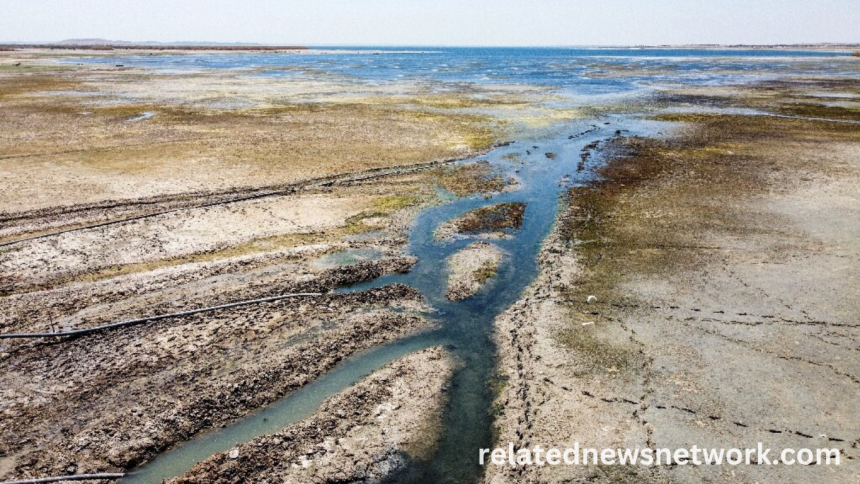
The Euphrates River, one of the most significant rivers in the Middle East, is undergoing dramatic changes, leading to concerns about its future. Flowing through Turkey, Syria, and Iraq, the Euphrates has long been a source of water, agriculture, and livelihood for millions of people. However, recent reports and observations suggest that the river is drying up at an alarming rate, raising questions about the long-term implications for the region. This article will explore the factors contributing to this issue, its impact on the environment and local communities, and potential solutions to mitigate the crisis.
The Historical Significance of the Euphrates River
For millennia, the Euphrates has been a vital lifeline for the civilizations that have flourished along its banks. From the ancient Sumerians and Babylonians to modern-day communities, the river has supported agriculture, provided fresh water, and enabled trade and transportation. It is a critical resource for irrigation in one of the driest regions of the world, where water scarcity is a persistent challenge.
What’s Causing the River to Dry Up?
Several factors are contributing to the decreasing flow of the Euphrates River. Understanding these factors requires an examination of both natural and human-made influences.
Climate Change
Climate change is a significant driver behind the decreasing flow of the Euphrates River. Rising temperatures and shifting weather patterns have led to changes in rainfall patterns across the region. Droughts have become more frequent and prolonged, while snowfall in the Turkish mountains, a key source of the river’s flow, has been lower than usual. These changes exacerbate the water scarcity already faced by the region and threaten to reduce the river’s flow further in the coming years.
Dams and Water Management
One of the most significant human-made factors affecting the Euphrates is the construction of dams along its length. Countries like Turkey have built large dams, such as the Atatürk Dam, on the Euphrates to harness its water for irrigation, hydroelectric power, and other uses. While these dams provide essential resources, they also restrict the natural flow of water downstream. The reduced flow affects neighboring countries, especially Syria and Iraq, where the river’s water is crucial for agriculture, drinking, and electricity generation.
Political Tensions
The management of the Euphrates River has been a source of political tension between the countries that share it. Disputes over water rights, dam construction, and water distribution have led to conflicts, particularly between Turkey, Syria, and Iraq. While these countries have attempted to negotiate water-sharing agreements, disagreements persist, and the lack of cooperation exacerbates the challenges of managing the river’s flow.
Groundwater Depletion
In addition to surface water, many communities along the Euphrates rely on groundwater for their water supply. Over-extraction of groundwater for agricultural and domestic use, combined with reduced river flow, has led to a decline in groundwater levels. This creates a vicious cycle, as the decreased river flow and lower groundwater levels contribute to further water shortages and environmental degradation.
Read More : Is Gunung Padang the Oldest Pyramid in the World?
Environmental Consequences
The drying up of the Euphrates River is having far-reaching environmental consequences, both for the river’s ecosystem and for the broader environment of the Middle East.
Loss of Biodiversity
The Euphrates is home to a diverse array of plants and animals. Fish species, such as the Euphrates barb, depend on the river’s water for survival. As the river’s flow decreases, these species face the threat of extinction, and the overall biodiversity of the region suffers. Wetlands that once flourished along the river’s banks are also drying up, reducing habitat for birds and other wildlife.
Desertification
As the river recedes, the land around it becomes more vulnerable to desertification. Without the constant flow of water, soil becomes less fertile, reducing agricultural yields and increasing the spread of deserts. This impacts the livelihoods of millions who rely on farming and irrigation, further deepening the region’s water crisis.
Air Quality and Dust Storms
The drying of the Euphrates contributes to the increasing frequency of dust storms in the region. As the river recedes and surrounding soil loses moisture, dust and sand are more easily picked up by winds, resulting in poor air quality and health hazards for local populations. These storms can also damage infrastructure and disrupt daily life.
Human Impact
The drying up of the Euphrates River has dire implications for the people who depend on it for water, agriculture, and energy. The loss of water for irrigation threatens food production, which could lead to higher food prices and greater food insecurity. In areas where water shortages are already acute, such as Syria and Iraq, the situation is becoming critical, with communities struggling to access clean water.
The lack of reliable water resources also puts stress on local economies. Farmers who depend on irrigation for crops are facing reduced harvests, leading to economic hardships and job losses. As the water levels continue to drop, migration becomes more likely, as people search for areas with more reliable water sources and better economic opportunities.
Solutions and Moving Forward
Addressing the issue of the drying Euphrates River requires a comprehensive, cooperative approach that involves the countries along its banks, regional organizations, and the international community.
Improved Water Management
One of the most important steps in tackling the Euphrates crisis is to improve water management across the region. This includes better cooperation between Turkey, Syria, and Iraq to ensure fair distribution of the river’s water. Countries must engage in diplomatic negotiations to create binding agreements on water usage and work together to develop sustainable water management practices, such as water recycling and conservation.
Sustainable Agricultural Practices
Agriculture is one of the largest consumers of water in the Euphrates basin. Transitioning to more water-efficient farming methods, such as drip irrigation and crop diversification, can help reduce the amount of water required for irrigation. Additionally, promoting the use of drought-resistant crops can help maintain food production despite water scarcity.
Investment in Water Infrastructure
Investing in water infrastructure, such as modernizing irrigation systems and expanding access to water treatment plants, is crucial for addressing the growing water shortage. Technologies like desalination and rainwater harvesting can help reduce reliance on the Euphrates River and provide alternative sources of water for agriculture and drinking.
Regional Cooperation and Diplomacy
The key to solving the crisis lies in effective diplomacy and regional cooperation. It is essential that the countries of the Euphrates basin put aside political differences and work together to address the water crisis. Regional agreements on water distribution, coupled with the sharing of technology and resources, could go a long way in securing a sustainable future for the river.
Frequently Asked Questions
Why is the Euphrates River drying up?
The Euphrates River is drying up due to a combination of climate change, dam construction, political tensions, and groundwater depletion.
How does climate change affect the Euphrates?
Climate change has led to reduced rainfall, prolonged droughts, and lower snowpack in the Turkish mountains, reducing the river’s flow.
Which countries rely on the Euphrates River?
The Euphrates is essential for Turkey, Syria, and Iraq, which rely on its water for agriculture, drinking, and energy.
What are the environmental impacts of the Euphrates drying up?
Environmental consequences include loss of biodiversity, desertification, and increased dust storms that affect air quality.
How do dams affect the Euphrates?
Dams built along the Euphrates restrict water flow downstream, affecting water access for neighboring countries and ecosystems.
What are the economic impacts on communities along the Euphrates?
Farmers face water scarcity, reduced agricultural yields, and economic hardship, leading to food insecurity and potential migration.
Can regional cooperation solve the Euphrates crisis?
Yes, regional cooperation and fair water-sharing agreements between Turkey, Syria, and Iraq can help manage water resources sustainably.
What solutions are there to protect the Euphrates?
Solutions include improving water management, investing in water-efficient farming, and creating regional agreements on water distribution.
Conclusion
The drying of the Euphrates River poses significant environmental, economic, and social challenges for the region. Addressing this crisis requires international cooperation, sustainable water management, and investment in technology to preserve this vital resource for future generations.