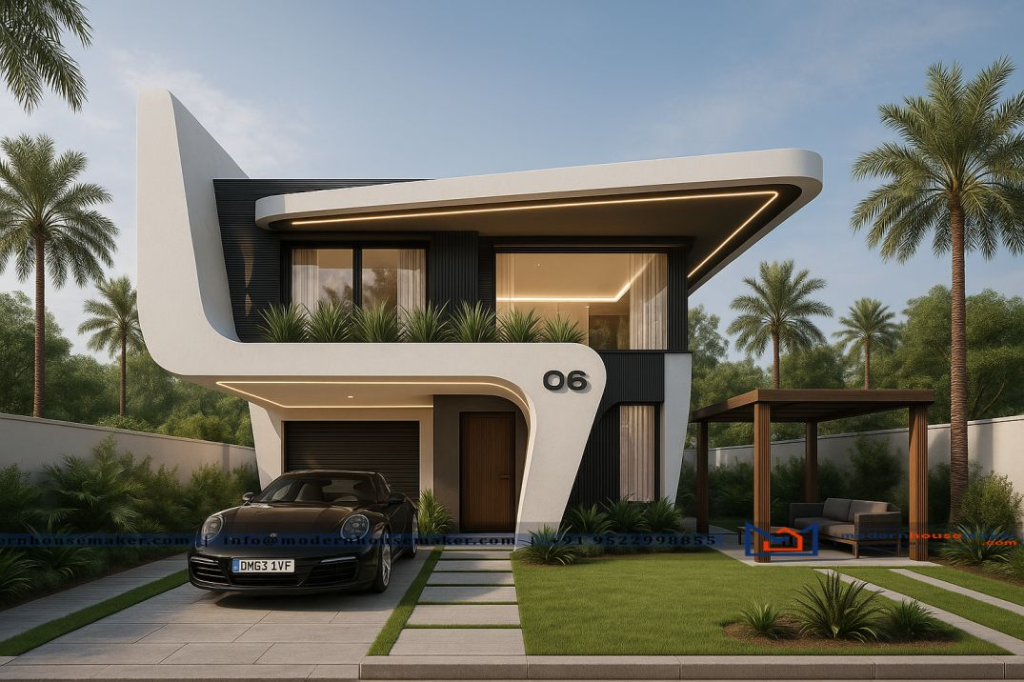
Building a home today looks nothing like it did twenty years ago. Modern house design places equal weight on how a space feels and how it performs day-to-day. Open layouts, natural light, and energy-conscious materials now sit at the centre of most planning conversations. The goal is comfort without waste and beauty without unnecessary expense. Getting these basics right from the start sets the direction for everything that follows.
A good modern house design starts well before the foundation goes down. It begins with understanding the plot, the local climate, and the daily habits of the people who will live there. Skipping this step often leads to rooms that look impressive on paper but fail in practice. A bedroom that faces west might photograph well in the evening light, but it becomes unbearable in summer without heavy air conditioning. Planning with purpose saves money, time, and a fair amount of regret.
Open Layouts and How They Change Daily Living
The shift toward open-plan living has changed how families interact at home. Kitchens now merge into dining and living zones, creating a single shared space rather than three closed rooms. This arrangement works well for smaller plots where square footage is limited. It also allows better air movement and daylight penetration across the entire ground floor.
That said, open layouts bring trade-offs. Noise travels freely, cooking smells spread fast, and privacy drops. A practical workaround is to use partition screening between zones. Sliding panels or half-walls offer separation when needed without permanently blocking light or airflow. Some homeowners install retractable glass dividers between the kitchen and living areas, giving them the flexibility to open up or close off spaces depending on the occasion.
Choosing Materials That Last
Material selection shapes both the look and the lifespan of a house. Fly-ash bricks, for example, offer better thermal insulation than traditional red bricks and cost roughly the same in most regions. Exposed concrete finishes reduce the need for plastering and painting, cutting long-term maintenance costs without sacrificing visual appeal. Stone cladding on accent walls adds texture and holds up against the weather far longer than paint or wallpaper.
Thermal bridging is another factor worth attention during material planning. It happens when heat passes through a material that is more conductive than the surrounding structure. Steel window frames and concrete lintels are common culprits. Choosing the right combination of wall materials, insulation layers, and window frames can noticeably reduce energy loss in both summer and winter. A small investment during construction avoids years of inflated energy bills.
Natural Light and Ventilation
Getting light and air right often determines whether a house feels comfortable or cramped. North-facing windows in tropical climates bring in consistent daylight without excessive heat gain. Clerestory windows set high on walls push light deeper into rooms that are set back from exterior walls, reducing the need for artificial lighting during daytime hours.
Cross-ventilation works best when openings are on opposite or adjacent walls. Even a small window on the leeward side can pull warm air out if there is a proper inlet on the windward side. This basic principle, understood for centuries, still reduces reliance on air conditioning for much of the year. Ceiling height matters too. Rooms with ten-foot ceilings hold warm air higher, keeping the occupied zone cooler without any mechanical assistance.
Where Outdoor and Indoor Spaces Meet
Transitional spaces between indoors and outdoors are often overlooked during planning, but they quickly command their square footage.
- Courtyards placed at the centre of a floor plan bring light into rooms that would otherwise depend entirely on artificial lighting
- Verandahs along the south or west face act as thermal buffers during peak heat hours
- Terrace gardens on flat roofs add usable green space without increasing the plot footprint
- Balconies with deep overhangs protect interiors from rain while still allowing windows to stay open for airflow
These elements do more than add visual appeal. They create zones that make a house feel noticeably larger than its built-up area might suggest.
Thinking Beyond the First Five Years
A house built today should still feel right a decade from now. That means planning for change. Children grow up, families expand, elderly parents move in, and work patterns shift. Rooms that can serve multiple purposes over time offer better long-term value than highly specific spaces designed for a single function.
Plumbing and electrical conduits laid with future expansion in mind save significant rework costs later. An extra water line roughed into a wall or a spare electrical circuit run to the terrace might seem unnecessary during construction. Five years down the line, it becomes the most practical decision made during the entire build. Small forward-thinking choices during the planning stage prevent expensive, disruptive retrofits after the family has already settled in.
Conclusion
Modern house design is the practice of planning homes around daily life, local climate, and long-term use. It balances open layouts, material performance, natural light, and realistic budgeting to create spaces that stay comfortable and functional well beyond the first few years of living in them.