Hair fall can literally be frustrating at any age. When it becomes more noticeable all of a sudden then hormones can sometimes be part of the reason.
You may notice more hair on your pillow and extra strands in the shower. While combing your hair, you may see that your ponytail has become much thinner or even a widening hair part on the crown. Sometimes the change is very temporary. While in other cases, hormonal changes can totally contribute to ongoing thinning.
This is why simply searching for the best anti hair fall shampoo may not be enough. If hormones are involved, understanding the underlying cause is a very crucial first step.
Hormones influence many processes in the body which includes the hair-growth cycle. Changes associated with conditions such as PCOS, thyroid disorders or pregnancy can lead to hair fall. Other postpartum hormonal shifts as well as menopause can really be linked with hair shedding or thinning.
Let’s understand the connection between hormones and hair fall, what signs to look for and what you can do.
What Is Hormonal Hair Fall?
Hormonal hair fall refers to hair shedding or thinning. It is associated with changes in hormone levels or hormone-related conditions.
It does not always look the same. Some people may experience increased shedding across the scalp. Others may notice gradual thinning, a widening part or even reduced hair density.
Hormonal hair fall can also happen alongside other many causes. For example, someone may have a hormonal condition as well as also experience stress, nutritional deficiencies or hereditary hair thinning. That is why diagnosing the actual cause totally matters.
5 Common Causes of Hormonal Hair Fall
1. PCOS and Hair Fall
Polycystic ovary syndrome is commonly called PCOS. It is one condition associated with hormonal imbalance as well as hair loss.
PCOS can totally involve increased androgen activity. Some women may experience thinning hair on the scalp.
At the same time, they may notice other symptoms such as all these:
- Irregular periods
- Acne
- Increased facial or body hair
- Changes in weight
- Difficulty with ovulation
However, having hair fall does not automatically mean you have PCOS.
2. Thyroid Problems
The thyroid produces hormones that influence many functions throughout the body.
Both underactive as well as overactive thyroid conditions can totally be associated with changes in the hair and skin.
Hair may become thinner, dry, brittle or may even shed. Some people may also notice thinning of the eyebrows as well as changes in the scalp.
If hair fall occurs alongside unexplained:
- Weight changes
- Unusual tiredness
- Changes in temperature tolerance
- Menstrual changes
Then discuss your problem with the doctor.
3. Pregnancy
Pregnancy brings major hormonal changes. These can totally affect the hair-growth cycle.
Many women actually notice fuller-looking hair during the phase of pregnancy. Hormonal changes can totally keep more hair in the growth phase for a long period of time.
After delivery, hormone levels totally change again. As estrogen levels fall, more hairs can move into the resting as well as shedding phase. This can totally lead to noticeable postpartum hair shedding.
4. Postpartum Hair Fall
Post-pregnancy hair fall can be particularly worrying because it may feel sudden as well as dramatic.
Many women notice increased shedding a few months after giving birth. The shedding often peaks around four months after delivery, and most women gradually regain their normal fullness by their baby’s first birthday.
This type of shedding is usually temporary.
If significant thinning continues beyond the expected recovery period then it is worth getting the cause checked.
5. Menopause
Hormonal changes during menopause can also affect hair.
Female pattern hair loss becomes more common with increasing age. It is very common around midlife and after menopause. In this condition, women may notice a widening part or gradual thinning over the top of the scalp.
Hormones may play a role, but genetics are also important in female pattern hair loss. This means not every case of hair thinning during menopause is purely a hormonal problem.
What Can Help With Hormonal Hair Fall?
The right approach totally depends on the underlying cause.
1. Find the Hormonal Cause
If your hair fall is accompanied by:
- Irregular periods
- Acne
- Excess facial hair
- Unexplained weight changes
- Unusual tiredness
- Hormonal symptoms
Then make sure to speak with a healthcare professional.
A dermatologist may examine your scalp as well as ask about your health history. If a hormone imbalance or another medical condition is suspected then blood tests may sometimes be recommended.
2. Don’t Ignore Your Diet
Your hair totally needs adequate nutrition to grow in a very normal manner.
Low levels of nutrients such as iron, protein or zinc can also totally contribute to noticeable hair loss.
This does not mean you should immediately start taking multiple hair supplements.
Taking unnecessary or excessive supplements can sometimes be harmful for your body. If you suspect a deficiency then make sure to get appropriate medical advice.
3. Manage Stress
Hormonal hair fall as well as stress-related shedding can sometimes occur together.
Long periods of significant stress can totally trigger excessive shedding which may appear months after the stressful period.
Make sure that you try to maintain these on a daily basis:
- Regular sleep
- Balanced meals
- Physical activity
- Realistic stress-management habits
4. Be Gentle With Your Hair
Hormonal hair fall can make you more concerned about every strand you see.
Avoid making things worse through unnecessary damage.
Try to limit:
- Very tight hairstyles
- Frequent high-heat styling
- Excessive bleaching
- Aggressive brushing
- Rough towel drying
- Frequent chemical treatments
Hair that is already fragile can totally break more easily with rough handling.
Consider getting professional advice if you notice all these:
- Sudden or severe hair fall
- A widening hair part
- Gradual thinning
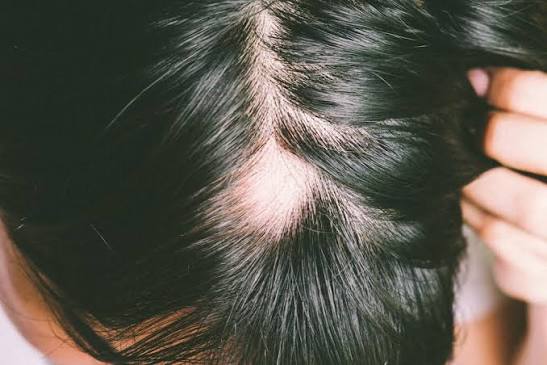
- Bald patches
- Significant hair loss after hormonal changes
- Persistent scalp itching
- Severe inflammation
- Eyebrow thinning
- Hair fall accompanied by irregular periods
- Hair fall with acne or increased facial hair
- Unexplained weight changes
- Persistent fatigue
- Hair loss that continues for several months
A dermatologist can help determine whether you are experiencing excessive shedding, hereditary hair loss, hormonal hair loss or another condition.
Wrapping Up
Hormonal hair fall can be confusing because hair changes may be the first visible sign that something else is happening in the body.
PCOS, thyroid disorders, pregnancy, postpartum hormonal changes and menopause can all be very well associated with changes in hair growth or shedding. At the same time, genetics, stress, nutrition as well as hair-care practices can also contribute.
So if you are searching for the best shampoo for hair fall then remember that the right hair-care product is only one part of the picture.
The best shampoo for hair can totally support your everyday routine. Persistent hormonal hair fall needs attention to the underlying cause.
Once the cause is understood then you can choose the right combination of hair care, nutrition, lifestyle changes as well as professional treatment where needed.